Information
Landmark: Normandale Japanese GardenCity: Bloomington
Country: USA Minnesota
Continent: North America
Normandale Japanese Garden, Bloomington, USA Minnesota, North America
Normandale Japanese Garden – In Detail
Location and Setting:
The Normandale Japanese Garden is situated on the campus of Normandale Community College in Bloomington, Minnesota, at 9700 France Avenue South. Spanning approximately two acres, this garden offers a serene and meticulously designed traditional Japanese landscape within a Midwestern setting. Established in 1976, it is one of the few authentic Japanese gardens in the Minneapolis–Saint Paul metropolitan area, blending Japanese horticultural principles with plant species adapted to Minnesota’s climate.
Design and Features:
The garden was designed by renowned Tokyo landscape architect Takao Watanabe, emphasizing the harmony and tranquility central to Japanese garden aesthetics. It incorporates classic elements that promote contemplation, peacefulness, and a connection to nature.
Traditional Gate and Garden Wall: The entrance features a wooden Japanese-style gate leading visitors into the garden, flanked by a low garden wall that provides a sense of enclosure and transition from the surrounding campus environment to a secluded natural retreat.
Water Features: A key element is the central koi pond and lagoon, which includes a gentle waterfall. The pond serves as a focal point for the garden, supporting approximately twenty koi fish that visitors can feed seasonally (usually from May through October). The sound of flowing water adds to the calming atmosphere and symbolically represents purification in Japanese tradition.
Bridges and Islands: The garden incorporates three handcrafted wooden bridges that arch gracefully over the water, allowing visitors to traverse between three islands within the pond. These islands and bridges provide changing perspectives of the garden and encourage slow, reflective walking.
Bentendō Pavilion: A hexagonal pavilion named Bentendō honors Benten, the Japanese goddess of music, wealth, and wisdom. This small structure serves as a place for rest, reflection, and appreciation of the surroundings.
Lanterns and Stones: Three stone lanterns, traditional in Japanese gardens, are strategically placed for aesthetic balance and to evoke a sense of timelessness. Carefully arranged stones and rock formations further embody natural beauty and balance.
Plantings and Botanical Elements:
Unlike gardens relying heavily on vibrant floral displays, the Normandale Japanese Garden emphasizes texture, form, and subtle shades of green, consistent with Japanese garden philosophy.
Over 300 species of trees, shrubs, and plants are selected for their resilience to Minnesota’s climate, ensuring year-round structural interest.
Typical plantings include maples, pines, azaleas, rhododendrons, hostas, ferns, and ornamental grasses.
Pruning techniques create "cloud pruning," shaping trees and shrubs into rounded, cloud-like canopies.
Seasonal changes reveal delicate transformations, with early spring buds, summer greenery, autumn foliage colors, and the sculptural beauty of winter’s bare branches and evergreen needles.
Visitor Experience and Accessibility:
The garden is open to the public year-round, free of charge, generally accessible from dawn to dusk during spring, summer, and fall. Winter access is allowed but can be limited due to snow.
A paved walking path forms a loop around the garden, guiding visitors through its main features. The path is suitable for casual strolling and encourages mindful observation of nature.
Visitors typically spend 10 to 20 minutes touring the garden, though many linger longer to absorb the peaceful environment.
While the garden is accessible, reaching it requires walking through some campus areas and stairs; an accessible entrance is planned but currently limited.
Feeding the koi is a popular activity; coins for fish food are available via vending machines near the garden entrance.
Photography is permitted for personal use; however, professional and commercial photography requires permits. Private events such as weddings can be arranged with advance booking.
Ecological and Cultural Significance:
The Normandale Japanese Garden serves as a cultural bridge, bringing traditional Japanese landscaping and horticultural practices to Minnesota. It reflects principles of balance, asymmetry, naturalness, and simplicity, encouraging visitors to slow down and experience calm and harmony.
The garden’s design integrates ecological awareness by selecting hardy native and adapted species, reducing water use and maintenance needs.
It offers an educational opportunity for visitors to learn about Japanese culture and gardening traditions.
The presence of water, stones, plants, and architectural elements creates a holistic sensory experience designed to evoke reflection and meditation.
Additional Notes:
The garden is maintained by a partnership between Normandale Community College and local garden clubs, with ongoing community support.
It is a favored spot for local photographers, students, nature enthusiasts, and couples seeking picturesque settings.
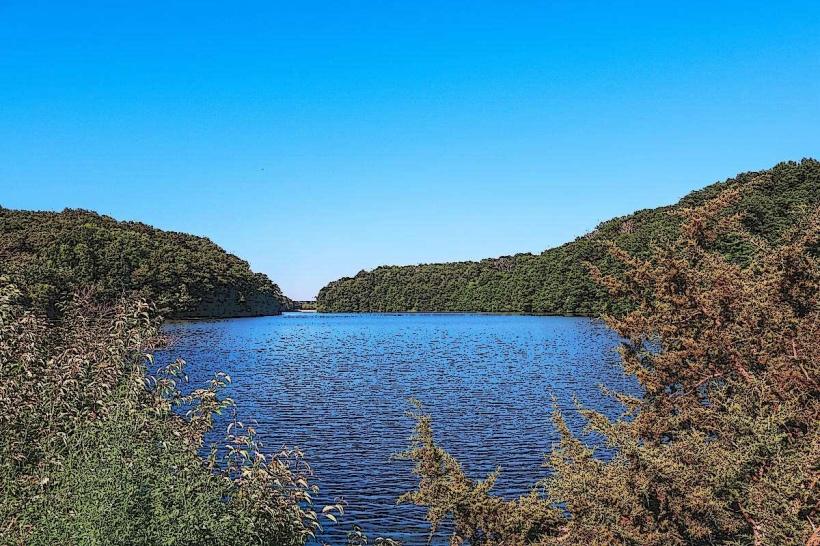
Nearby attractions include Normandale Lake Park and other regional natural areas, making it an ideal stop within a broader itinerary of outdoor and cultural sites in Bloomington.
Summary:
The Normandale Japanese Garden is a meticulously crafted, authentic Japanese-style garden offering a tranquil sanctuary within the Minneapolis metropolitan area. With its traditional design elements, resilient plantings, serene water features, and cultural significance, it provides a unique and contemplative experience. Visitors benefit from its peaceful environment, year-round accessibility, and the opportunity to connect with Japanese gardening traditions adapted beautifully to Minnesota’s climate.