Information
Landmark: Tibetan Mongolian Buddhist Cultural CenterCity: Bloomington
Country: USA Indiana
Continent: North America
Tibetan Mongolian Buddhist Cultural Center, Bloomington, USA Indiana, North America
The Tibetan Mongolian Buddhist Cultural Center (TMBCC), located in Bloomington, Indiana, is a prominent institution dedicated to preserving and promoting the spiritual, cultural, and educational traditions of Tibetan and Mongolian Buddhism in the United States. Established in 1979, the center serves as both a religious sanctuary and a cultural hub, fostering intercultural understanding, religious practice, and academic study of these unique traditions.
Origins and Founding
The TMBCC was founded by Thubten Jigme Norbu, the elder brother of His Holiness the 14th Dalai Lama, who sought to create a dedicated space in the U.S. to sustain Tibetan and Mongolian Buddhist heritage far from their native lands. The center was established as a response to the displacement caused by the Chinese occupation of Tibet, serving as a refuge for Tibetan culture in exile and as a bridge for cultural exchange.
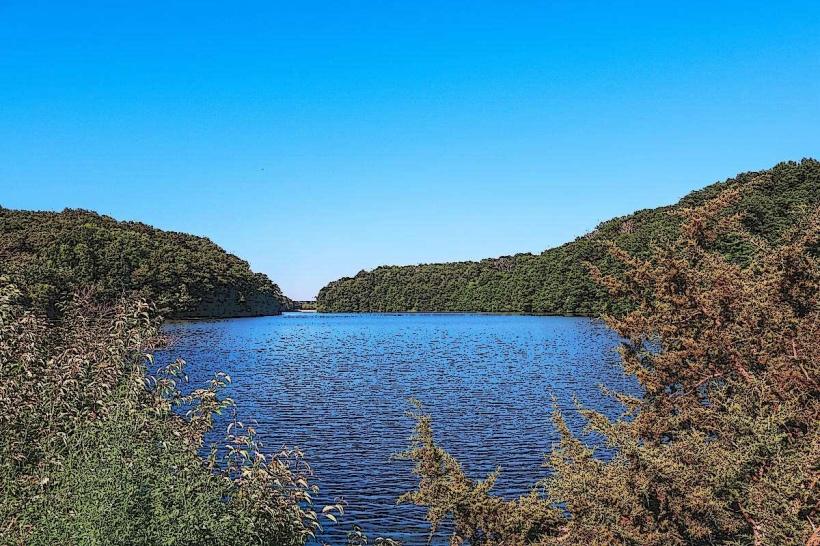
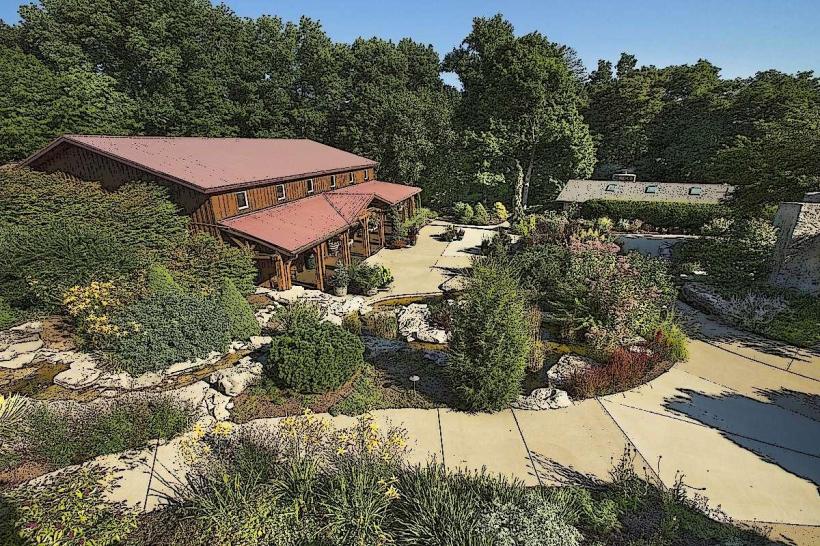
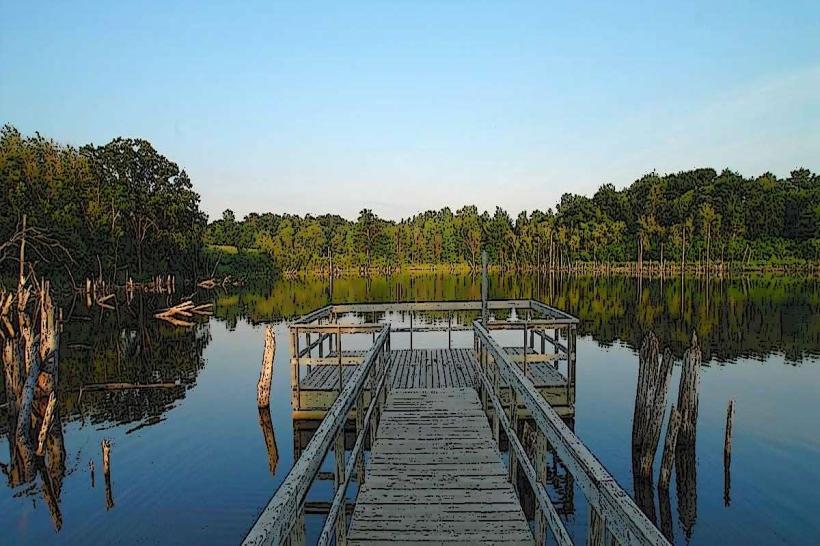
The land for the center spans approximately 108 acres, situated in a serene, wooded area just outside Bloomington, providing a peaceful environment ideal for meditation, study, and community gatherings.
The Kumbum Chamtse Ling Monastery
At the heart of the center lies the Kumbum Chamtse Ling Monastery, a Gelugpa tradition monastery modeled after classical Tibetan monastic architecture. The monastery’s construction began in the early 1990s and was officially consecrated in 2003. The cornerstone of the monastery was blessed and laid by the Dalai Lama during a visit in 1996, underscoring the center’s direct connection to Tibetan Buddhist leadership.
The monastery functions as an active place of worship, study, and retreat. It houses resident monks and offers programs such as:
Daily prayers and rituals conducted according to Tibetan Buddhist customs.
Meditation retreats and workshops open to practitioners of all levels.
Teachings on Buddhist philosophy, ethics, and rituals led by visiting lamas and resident teachers.
Cultural ceremonies including traditional Tibetan festivals and observances.
The monastery welcomes individuals regardless of religious background, promoting a message of peace, compassion, and harmony.
Cultural and Educational Programs
Beyond its religious functions, the TMBCC serves as an educational center offering extensive cultural programming aimed at preserving Tibetan and Mongolian heritage and fostering intercultural dialogue. Key aspects include:
Language and Arts Classes: Instruction in Tibetan and Mongolian language, traditional music, dance, and arts such as thangka painting.
Lectures and Seminars: Topics range from Tibetan history and politics to Buddhist philosophy and comparative religion.
Community Outreach: Partnerships with Indiana University and local organizations to engage students, scholars, and the public.
Workshops on Mindfulness and Meditation: Accessible sessions designed to introduce the public to meditation practices and their mental health benefits.
The center hosts annual cultural festivals that showcase traditional music, dance, crafts, and cuisine, drawing both local residents and visitors.
Grounds and Facilities
The TMBCC’s expansive grounds include:
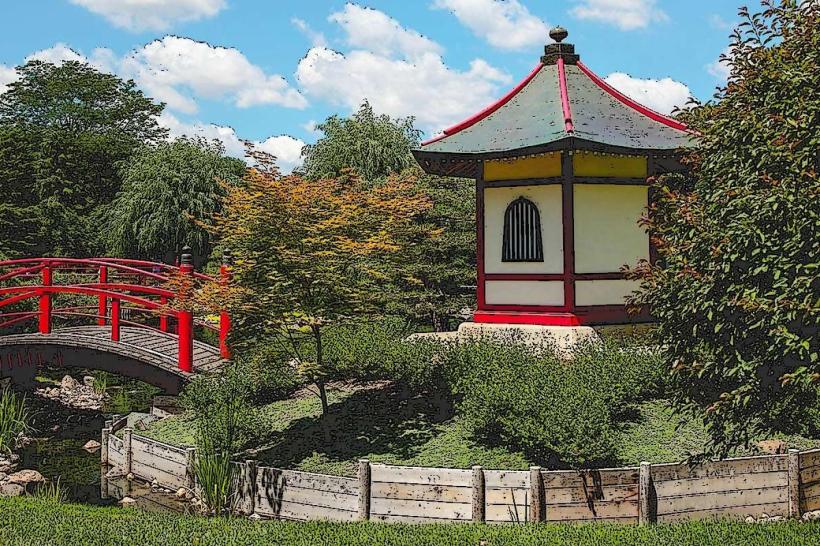
Meditation Gardens: Landscaped outdoor areas designed for reflection and quiet contemplation.
Traditional Tibetan Architecture: Buildings feature authentic design elements including prayer wheels, stupas, and colorful murals depicting Buddhist iconography.
Library and Resource Center: Housing texts and artifacts related to Tibetan and Mongolian Buddhism and culture.
Meeting Halls and Classrooms: Spaces for community events, classes, and ceremonies.
Monastic Living Quarters: Residences for monks and visiting teachers.
The natural setting of the center, surrounded by forested land, enhances the atmosphere of tranquility and spiritual focus.
Role in the Community and Global Significance
The TMBCC acts as a vital link between Tibetan/Mongolian cultures and the American public, promoting awareness and appreciation for Buddhist spirituality and Asian cultural heritage. It supports Tibetan exile communities by maintaining religious traditions and providing a platform for cultural preservation.
The center also fosters interfaith dialogue and cooperation, welcoming people of all faiths to participate in events and teachings that emphasize universal values such as compassion, peace, and mutual respect.
Visiting Information
Location: 3655 S Snoddy Road, Bloomington, Indiana 47401
Hours: Open daily, generally from 9:00 AM to 5:00 PM
Access: Visitors are welcome to tour the grounds, attend teachings and ceremonies, and participate in meditation sessions.
Events: The center’s calendar includes public talks, retreats, cultural festivals, and special religious observances.
Visitors should dress modestly and respectfully, as the site is an active religious community. Photography may be restricted in certain areas.
Summary
The Tibetan Mongolian Buddhist Cultural Center in Bloomington is a unique and deeply spiritual place dedicated to sustaining the religious and cultural traditions of Tibetan and Mongolian Buddhism in North America. Through its monastery, educational programs, cultural events, and peaceful natural environment, it offers residents and visitors a rare opportunity to engage authentically with these ancient traditions while promoting values of compassion, peace, and cultural understanding. The center remains a beacon of Tibetan exile heritage and a bridge connecting diverse communities through spirituality and culture.