Information
Landmark: Northland ArboretumCity: Brainerd
Country: USA Minnesota
Continent: North America
Northland Arboretum, Brainerd, USA Minnesota, North America
Northland Arboretum – In Detail
Northland Arboretum is a 583-acre nonprofit nature preserve located on the border of Brainerd and Baxter, Minnesota. It is a diverse and ecologically rich property offering natural beauty, recreation, and education. The arboretum stands out not only for its environmental features but also for its origin story-what once was a landfill is now a thriving natural space.
Historical Background
The land that now forms the core of the arboretum was originally a city landfill, decommissioned in 1972. Rather than leave the area unused, conservation-minded citizens came together to reclaim it as a space for environmental preservation. Through collaboration with Crow Wing County, The Nature Conservancy, and other partners, the site was transformed into a public green space. Since then, the arboretum has grown significantly in size and ecological importance.
Habitats and Ecology
Northland Arboretum is a blend of restored native habitats and planted gardens. Key ecological areas include:
Jack Pine Savanna: This rare habitat is one of only a handful remaining in Minnesota. It supports unique prairie grasses, forbs, and wildlife that depend on fire-adapted ecosystems.
Red Pine Plantation: A managed forest area providing a dense canopy and shelter for species such as owls and woodpeckers.
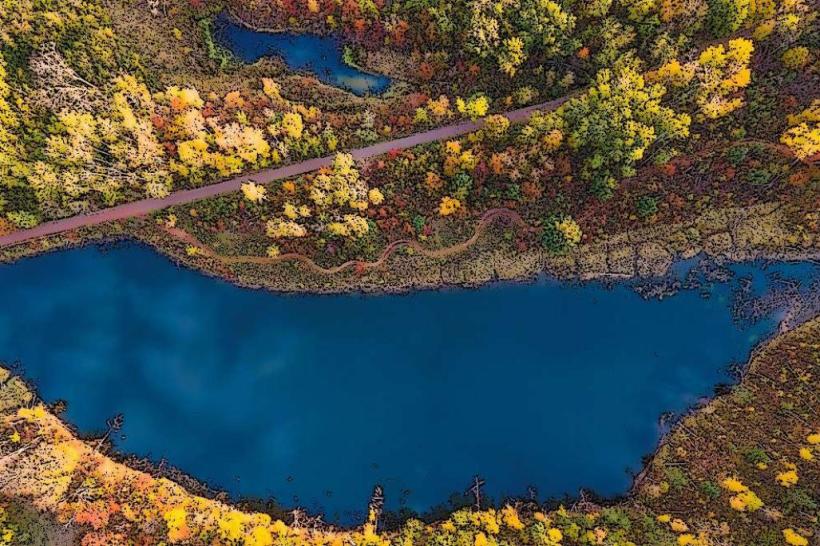
Wetlands and Whiskey Creek: These provide vital aquatic ecosystems where waterfowl, amphibians, and mammals like otters and beavers can thrive.
Prairie Restorations: Once part of the landfill, this area has been carefully restored with native tallgrass species, including big bluestem, Indian grass, and blazing star.
Oak Woodlands: Featuring bur and red oaks, this habitat offers shade-dappled trails and supports deer, songbirds, and other forest species.
Flora and Fauna
The arboretum is home to hundreds of plant species, including:
Wildflowers: purple coneflowers, black-eyed Susans, trillium, lady’s slippers.
Grasses: switchgrass, little bluestem, prairie dropseed.
Trees: sugar maple, red oak, white pine, tamarack.
Wildlife sightings are common:
Birds: bald eagles, sandhill cranes, red-winged blackbirds, chickadees, and numerous migratory species.
Mammals: deer, foxes, squirrels, and rabbits.
Insects: monarch butterflies, dragonflies, and pollinators play vital roles in the gardens.
The Minnesota DNR has designated the arboretum as an Important Bird Area, recognizing its role in sustaining avian populations.
Trails and Recreational Features
There are more than 12 miles (over 19 km) of well-maintained trails that cater to all seasons and fitness levels:
Walking & Hiking Trails: Ranging from flat, accessible paths to woodland loops.
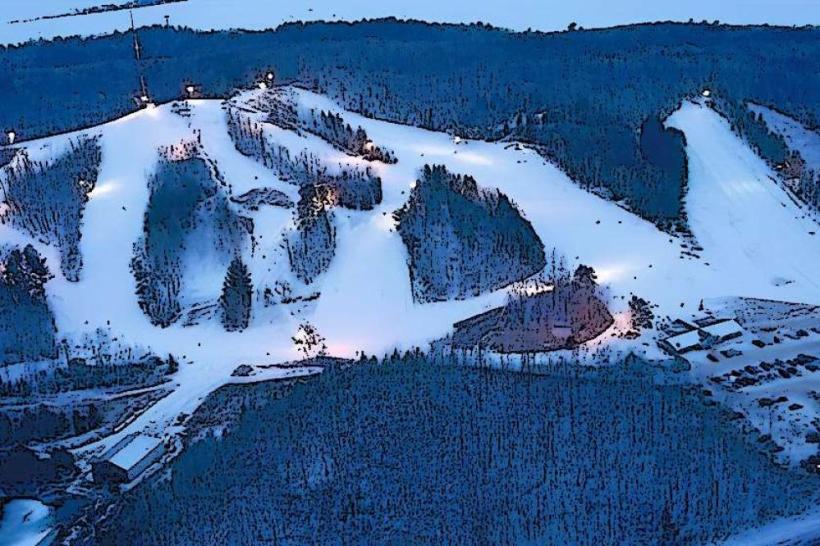
Winter Trails: Groomed for both classic and skate skiing. Trails are maintained by the Brainerd Nordic Ski Club and include several kilometers of lighted routes for evening skiing.
Fitness Trail: A 2-mile route with 11 exercise stations; wheelchair accessible.
Snowshoeing Paths: Offered during the winter months through forested and prairie sections.
Bicycles are not permitted on the trails to protect the natural terrain and preserve tranquility.
Gardens and Landscaped Areas
The arboretum also features themed gardens, each with interpretive signs and seasonal blooms:
Memorial Garden: Dedicated to loved ones and donors.
Youth Garden: Managed with help from local youth groups.
Butterfly Garden: Planted to support pollinators and provide educational value.
Monet-Inspired Pond: A peaceful spot with a wooden bridge, water lilies, and shaded benches, reminiscent of Monet's garden in Giverny.
Education and Programming
Northland Arboretum offers educational programming year-round:
Nature Workshops: Covering topics like plant identification, birdwatching, sustainable landscaping, and composting.
School Field Trips: Hands-on learning for K-12 students about ecology and conservation.
Youth Camps: Held in summer to teach children about native plants, wildlife, and stewardship.
Guided Walks: Often led by naturalists or master gardeners.
The Visitor Center includes a classroom, exhibit area, and administrative offices. It also hosts community lectures and seasonal celebrations.
Community Events
Notable events held annually include:
Sertoma Winter Wonderland: A drive-through holiday light display that attracts thousands each year and supports local charities.
Spring Garden Expo: Featuring plant sales, vendor booths, and gardening seminars.
Autumn Nature Fest: With hayrides, pumpkin decorating, and educational booths.
Birding Walks and Butterfly Surveys: Seasonal and guided by experts.
Visitor Information
Location: 14250 Conservation Drive, Baxter, MN 56425. Easily accessible from Highway 210 and near the Paul Bunyan Trail.
Hours:
Trails: Open daily from dawn until dusk.
Visitor Center: Monday–Friday 8:00 AM–4:30 PM, weekends 10:00 AM–4:00 PM.
Admission:
Adults (15+): $10
Children (2–14): $5
Seniors and Veterans: $5
Members: Free
Membership includes free or discounted admission at other American Public Gardens Association locations.
Rules:
Dogs must be leashed and cleaned up after.
No off-trail walking, plant collecting, or motorized vehicles.
Respect for wildlife, volunteers, and other visitors is expected.
Facilities and Rentals
Gazebos and Gardens: Available for weddings and small events with reservations.
Classrooms: Host workshops and environmental education.
Restrooms and Drinking Fountains: Available during Visitor Center hours.
Conclusion
Northland Arboretum is a model of environmental renewal and public engagement. Its conversion from landfill to a lush natural sanctuary speaks to the power of community effort and ecological vision. For visitors, it offers peaceful trails, rare habitats, vibrant gardens, and learning opportunities throughout the year. Whether snowshoeing through the pines or watching butterflies in a prairie bloom, it’s a place of deep seasonal beauty and environmental integrity.