Information
Landmark: Gull LakeCity: Brainerd
Country: USA Minnesota
Continent: North America
Gull Lake, Brainerd, USA Minnesota, North America
Gull Lake (Cass and Crow Wing Counties, Minnesota) – In Detail
Gull Lake is one of Minnesota’s most iconic lakes and the crown jewel of the Brainerd Lakes Area. With its expansive size, rich history, and robust recreational offerings, Gull Lake serves as both a natural landmark and a beloved vacation destination for generations of Minnesotans and visitors from around the country.
Physical Characteristics
Surface Area: Approximately 9,947 acres
Shoreline: Roughly 38 miles long
Maximum Depth: Around 80 feet
Elevation: About 1,194 feet above sea level
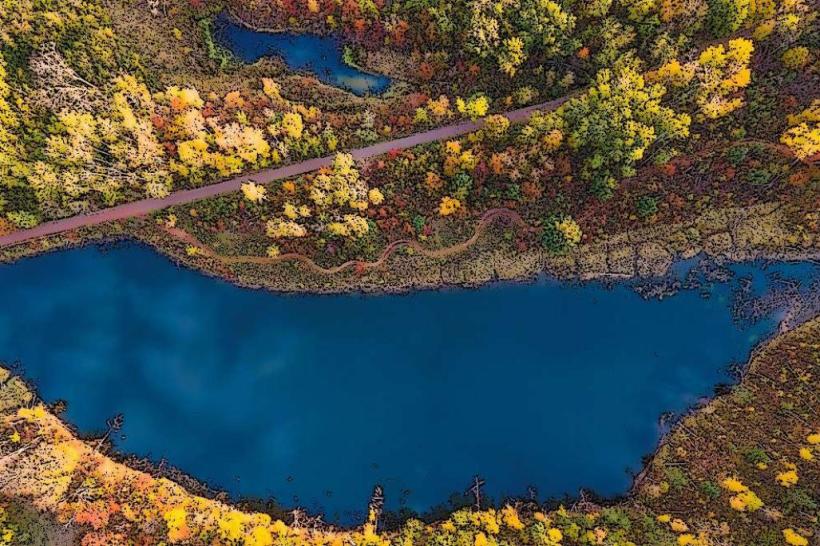
Gull Lake is glacial in origin, featuring clear waters, varied bottom composition (sandy, rocky, and weedy), and a complex shoreline with bays, peninsulas, and small islands. The lake connects to several others in the Gull Chain of Lakes, a network of eight interconnected lakes.
Historical Context
Indigenous Presence: The area around Gull Lake has long been home to the Ojibwe people, who established seasonal camps along the shore for fishing, hunting, and gathering. The region’s name is derived from the Ojibwe word gayaashk, meaning "gull."
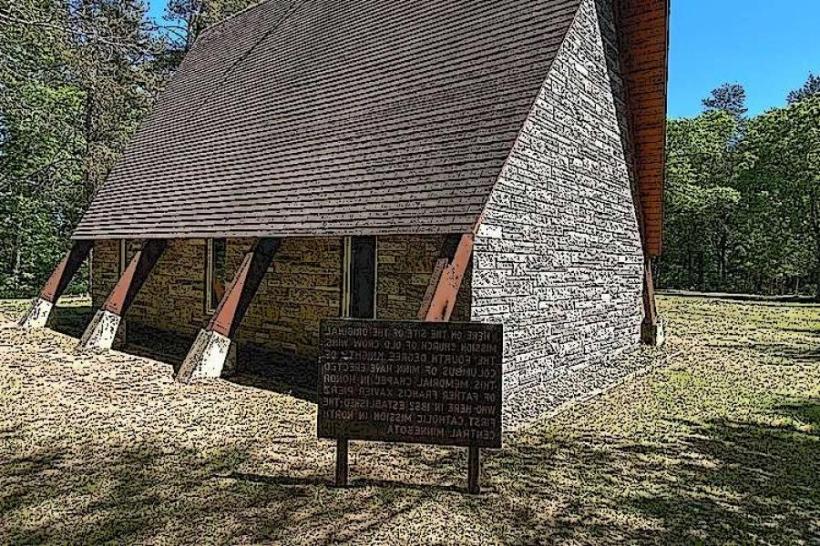
St. Columba Mission (1852): This was Minnesota’s first native Christian mission west of the Mississippi River. It was established by Episcopal missionaries to serve the Ojibwe. It was destroyed during the Dakota War of 1862, and its location is commemorated today with interpretive signage and historic markers.
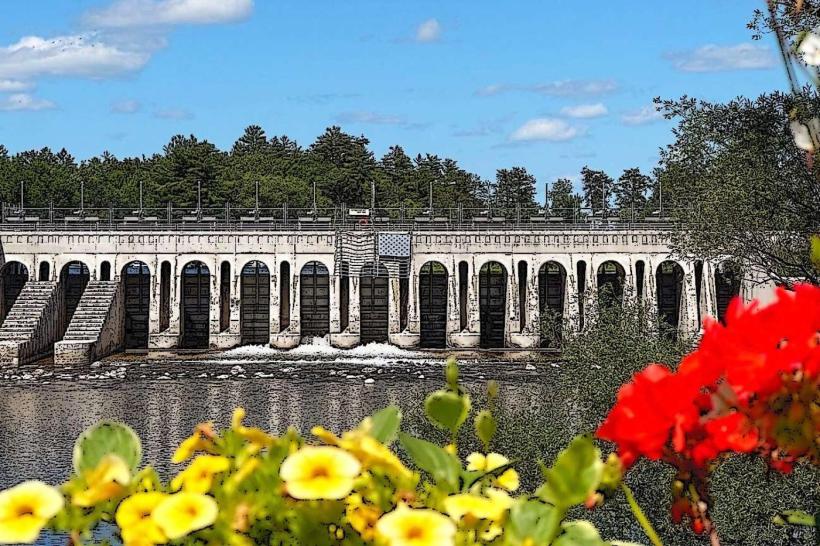
Gull Lake Dam (1912): Constructed by the U.S. Army Corps of Engineers, the dam regulated water levels and marked Gull Lake as the final reservoir in the Mississippi Headwaters Project. The dam raised the lake level by roughly five feet and significantly altered its hydrology. Prehistoric burial mounds near the dam site, associated with the Woodland period (800 B.C. – A.D. 200), are listed on the National Register of Historic Places.
Recreation and Activities
Water-Based Recreation
Boating: The lake is ideal for recreational boating, from speedboats and pontoons to kayaks and paddleboards. Multiple marinas and rental services are available.
Fishing: Gull Lake is a renowned year-round fishing destination. Popular species include:
Walleye – the lake is regularly stocked and supports natural reproduction.
Northern Pike
Largemouth and Smallmouth Bass
Crappie and Bluegill
Yellow Perch
Swimming and Beaches: Numerous public access points, resort beaches, and swimming areas offer safe, sandy entry into the lake.
Winter Sports:
Ice Fishing is extremely popular; Gull Lake hosts the Brainerd Jaycees Ice Fishing Extravaganza, the world’s largest charitable ice fishing contest.
Snowmobiling, ice skating, and snowshoeing are also common along the frozen lake and surrounding trails.
Natural Environment and Trails
Wildlife: The lake and its wooded surroundings support a rich ecosystem of loons, ducks, herons, eagles, and a variety of songbirds. White-tailed deer, foxes, and beavers can also be seen near the shoreline.
Trails:
Paul Bunyan State Trail: This major multi-use trail passes nearby and offers access for hiking, cycling, and snowmobiling.
Nature Trails around the lake are available near public lands and resort properties.
Resorts and Tourism
Gull Lake is home to some of Minnesota’s most celebrated resorts. These properties have defined summer vacations for over a century and continue to offer high-end amenities and activities.
Madden’s on Gull Lake: A legacy resort with golf, water sports, a spa, and conference facilities.
Cragun’s Resort and Hotel: Known for its family-friendly programming and large marina.
Grand View Lodge: A historic lodge with cabins, fine dining, golf courses, and lakeside events.
Quarterdeck Resort: A newer property offering luxury accommodations and direct lake access.
These resorts offer year-round packages, from lakeside retreats in summer to cozy, festive winter getaways.
Gull Lake Recreation Area (Operated by U.S. Army Corps of Engineers)
Located on the southern tip near the Gull Lake Dam
Provides RV and tent campsites, picnic areas, a boat launch, playgrounds, and restrooms
Offers interpretive signage explaining the lake’s history, dam function, and local ecology
Nearby Attractions and Communities
Brainerd and Baxter: Main commercial hubs with shopping, dining, and community events
Nisswa: A quaint tourist town known for its downtown shops, turtle races, and local festivals
East Gull Lake: A mostly residential lakeside area with a mix of permanent homes and vacation cabins
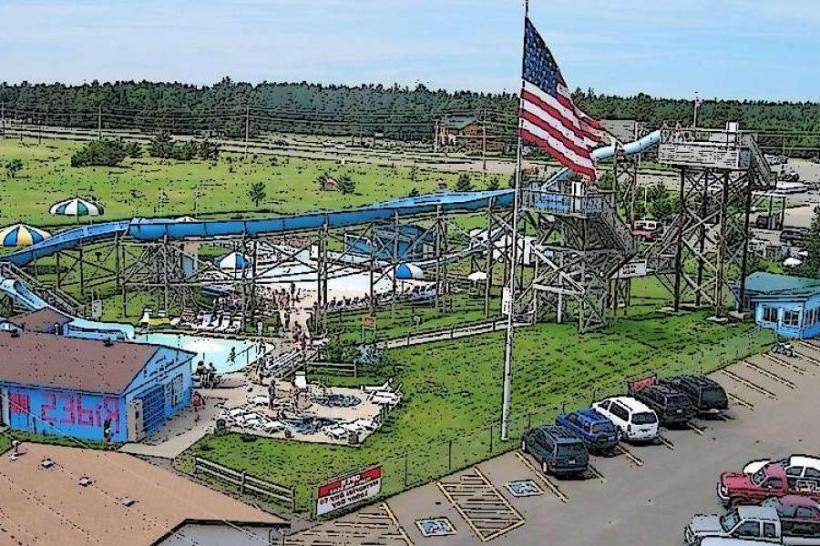
The region is also near golf courses, water parks, wineries, and amusement areas like Paul Bunyan Land.
Cultural Significance
Gull Lake has played a central role in the development of northern Minnesota tourism. Generations of families have vacationed at its resorts, while locals regard it as a place of identity, tradition, and recreation. The name "Gull Lake" has become synonymous with summer in Minnesota.
Visitor Tips
Seasonal Planning:
Summer: Best for water sports, festivals, fishing, and family vacations
Fall: Offers quiet hiking, vivid foliage, and cool fishing conditions
Winter: Ideal for ice fishing, snowshoeing, and snowmobiling
Spring: Great for early season anglers and birdwatchers
Access Points:
Several public landings are available, including at the Gull Lake Recreation Area and near several resorts.
Events: The lake hosts a variety of events, including fishing tournaments, fireworks on the Fourth of July, music festivals, and resort-led activities throughout the year.
Summary
Gull Lake is a quintessential example of Minnesotan lake culture-deeply rooted in tradition, layered with natural beauty, and teeming with year-round activity. Whether experienced from the deck of a cabin, the deck of a boat, or the shelter of an icehouse, Gull Lake offers an immersive and rewarding getaway shaped by history, recreation, and a strong sense of place.