Information
Landmark: Northwest River ParkCity: Chesapeake
Country: USA Virginia
Continent: North America
Northwest River Park, Chesapeake, USA Virginia, North America
Overview
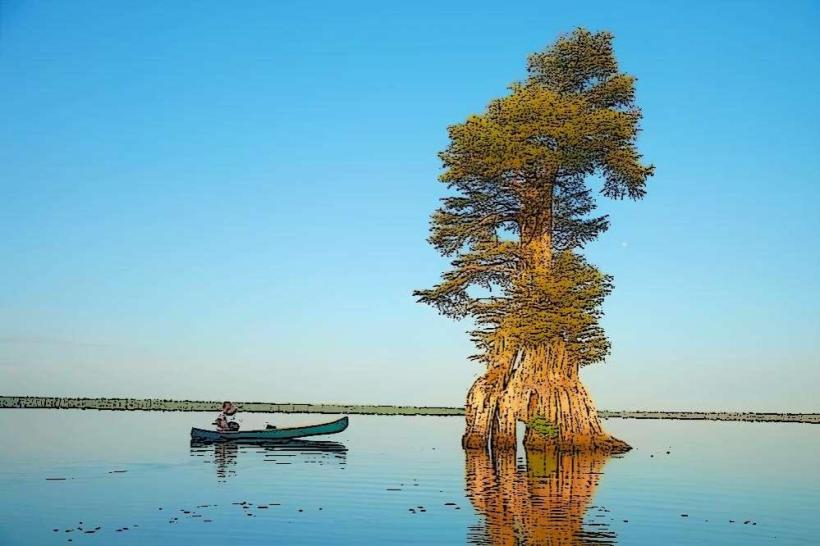
Mind you, The Great Dismal Swamp National Wildlife Refuge sits in the coastal plain, stretching across southeastern Virginia and into northeastern North Carolina, where cypress trees rise from shadowy, still water, after that spread across about 112,000 acres of dense, moss-draped wetlands, it stands as one of the largest untouched swamps left along the Atlantic Coast.This refuge protects a large remnant of a swamp that once stretched for more than a million acres, where now most of the land has been drained or built over, leaving only patches of cattails swaying in the wind, likewise the swamp carries a deep, tangled history, once sheltering travelers and feeding communities for hundreds of years.Native American tribes once lived in the swamp, tracking deer through the mist and gathering plants along its muddy banks, to boot in the colonial and antebellum eras, the swamp’s isolation and tangled, mud-choked paths gave refuge to escaped enslaved people-known as maroons-who built modest, self-reliant communities deep in its shadowed heart.Early timber cutting and naval stores work once took region in the swamp, where the air smelled faintly of pine tar, to boot when the refuge was founded in 1974, it signaled a rising awareness of how vital it was to protect this rare landscape-its tangled cypress roots and quiet waters-even as most of the original swamp had already vanished to drainage and development.The Great Dismal Swamp holds a rich blend of wetland habitats, with swamp forests where towering bald cypress and tupelo trees rise from obscure, acidic soil that floods often, then bald cypress trees stand out for their knobby “knees,” wooden spikes jutting above the water, steadying them like anchors.Peat bogs and marshes, with their acidic, nutrient-poor soil, shelter uncommon plants like the Atlantic white cedar-a rare conifer that survives only in the cool, waterlogged hush of certain wetlands, what’s more over thousands of years, peat soils slowly build up, locking away huge reserves of carbon-like damp, murky layers beneath your feet-and helping keep the planet’s climate in balance.Lake Drummond is a natural 3,100-acre lake tucked deep in the swamp, its obscure water reflecting the cypress trees around it, along with dim, tannin-rich water lies ringed by thick cypress swamps, their roots knotted deep in the mud, maybe Lake Drummond is one of just two natural lakes in Virginia, shaped over time by subsidence and sinkholes instead of ice-carved glaciation, alternatively a web of ditches, canals, and winding natural streams keeps the swamp’s water levels steady, providing the wet ground and steady flow that its rich mix of plants and wildlife depend on.The refuge shelters a rich mix of plants shaped by its unusual wetlands, including bald cypress-towering, knobby-kneed giants that thrive for centuries in thick, shadowy groves, as well as tupelo (Nyssa aquatica) is a standout swamp tree, often growing beside cypress where its glossy leaves catch the light off still water.Just so you know, Atlantic White Cedar (Chamaecyparis thyoides) is a rare species in decline, growing in tight, fragrant groves where the air smells faintly of resin, equally important ferns, spongy sphagnum moss, pitcher plants, sundews, and other carnivorous species thrive in the swamp’s acidic soil, their vivid greens and strange shapes showing just how specialized this ecosystem is.Wildflowers and shrubs fill the space, with spicebush, arrowwood, and the glossy red berries of winterberry holly catching the eye, alternatively the refuge’s rich wetlands shelter an incredible variety of wildlife, including one of the East Coast’s largest black bear populations, often seen padding quietly through the cypress shadows.Truthfully, You might spot other mammals too-white-tailed deer stepping softly through the grass, bobcats slipping between shadows, playful river otters, busy beavers, curious raccoons, and sleek gray foxes, while more than 200 bird species have been spotted here, from migratory waterfowl like wood ducks and mallards gliding across the pond, to warblers and thrushes filling the trees with song, and raptors such as red‑shouldered hawks and barred owls scanning the skies.The refuge is a crucial resting setting for migrating birds, where many also nest and raise their young among the tall reeds, what’s more wetlands teem with life-snapping turtles bask on muddy logs, eastern painted turtles glide through still water, while frogs, salamanders, and snakes slip quietly through the reeds.The swamp teems with life-close to a hundred butterfly species flutter through the reeds, joined by swarms of dragonflies, damselflies, and countless other insects that keep plants pollinating and feed the creatures that hunt them, as well as the refuge blends conservation with public access and learning, offering more than 40 miles of trails and boardwalks where visitors can hike or bike past rustling marsh grass and shaded forest paths.Boardwalks let you cross fragile wetlands without harm, bringing you close enough to watch dragonflies skimming the water and hear frogs calling from the reeds, along with you can take a boat out on Lake Drummond, but only with a miniature engine-25 horsepower or less-keeping the water calm for kayaking, canoeing, or casting a line where the lilies drift.You can fish any time of year, as long as you follow state rules, and go after species like largemouth bass, crappie, or the whiskered catfish, equally important the refuge is a haven for spotting wildlife, from herons gliding over the marsh to deer moving quietly through the trees, with several viewing areas perfect for birdwatching and photography all year long, loosely Four entrances include the Portsmouth Ditch, where you can step onto winding trails and a weathered boardwalk that creaks underfoot, on top of that the Jericho Lane entrance is perfect for hikers and birdwatchers, with chickadees darting through the pines.The Washington Ditch entrance offers sweeping views and a trail that winds past tall pines, what’s more railroad Ditch Entrance (Lake Drummond Wildlife Drive) is a scenic loop that winds around Lake Drummond, letting visitors roll past cypress trees and watch the swamp from the comfort of their car.Visitor kiosks and signs share the swamp’s story-its tangled roots, rich history, and the efforts to protect it, while the refuge works hard to keep its habitats healthy, tackling invasive plants, managing water levels, and restoring damaged areas where cattails sway in the wind, generally We work with universities and environmental groups to drive research on wetland ecology, track climate change’s effects, and protect vulnerable species, from tiny frogs to migrating birds, not only that each season, you can join educational programs or take a guided tour that brings the land’s rare beauty to life and inspires visitors to help care for it.To help protect this fragile environment, please stick to the marked trails and boardwalks-feel the crunch of gravel underfoot, not the soft moss off the path, besides don’t bother the wildlife-let them rustle in the leaves undisturbed.Make sure you stick to the fishing and boating rules-every detail counts, right down to the size of the catch, and carry out every scrap of trash-yes, even that crumpled gum wrapper-and leave as little trace as possible.Stick to the marked parking spots and come in through the assigned doors, likewise the Great Dismal Swamp National Wildlife Refuge is a vast, rare wetland that safeguards an ancient ecosystem teeming with wildlife and steeped in history, where cypress trees rise from still, obscure water.It’s a setting where hikers can follow winding trails, birdwatchers can spot herons gliding over still water, and students can learn firsthand about wetland conservation-while wildlife finds a protected home, subsequently quiet forests, winding shadowed streams, and bursts of birdsong make it a site you’ll want to explore-perfect for hands-on adventures and learning about the natural world.
Author: Tourist Landmarks
Date: 2025-10-05