Information
Landmark: Norwalk HarborCity: Norwalk
Country: USA Connecticut
Continent: North America
Norwalk Harbor, Norwalk, USA Connecticut, North America
Norwalk Harbor, located in Norwalk, Connecticut, is a natural estuary and working waterfront that has shaped the city’s maritime, commercial, and cultural identity for centuries. Opening directly into Long Island Sound, it serves as both an economic hub and a recreational destination, blending history with modern development.
Historical Background
The harbor’s history dates back to the 17th century, when Native Americans and early European settlers used its sheltered waters for fishing, shellfishing, and trade.
By the 18th and 19th centuries, Norwalk Harbor had become central to the city’s economy, supporting oystering, shipping, and small-scale shipbuilding.
The oyster industry, in particular, earned Norwalk a national reputation, with the harbor sustaining one of the most important oystering fleets in New England.
Through the industrial era, the harbor adapted to changing commercial demands while retaining its maritime traditions.
Geography and Layout
The harbor extends inland from Long Island Sound, with the Norwalk River flowing directly into it.
Its waters are divided into East and West Norwalk Harbor channels, with several smaller coves and inlets branching off.
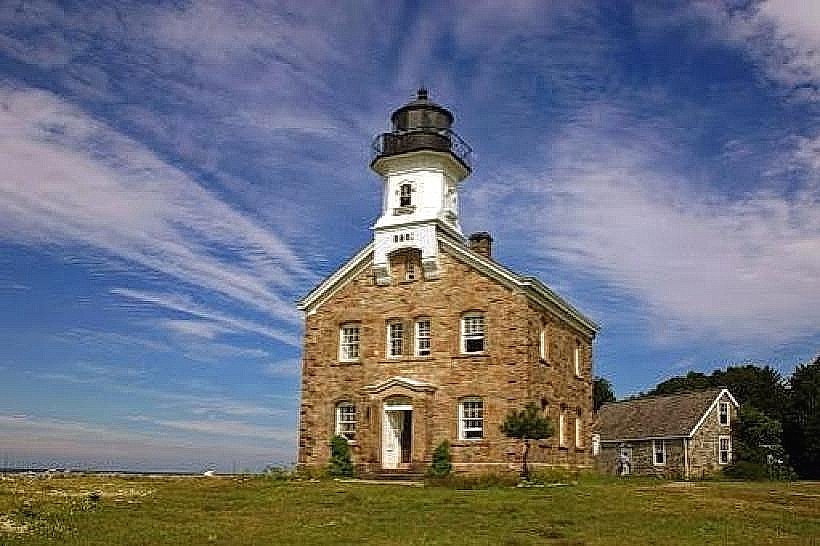
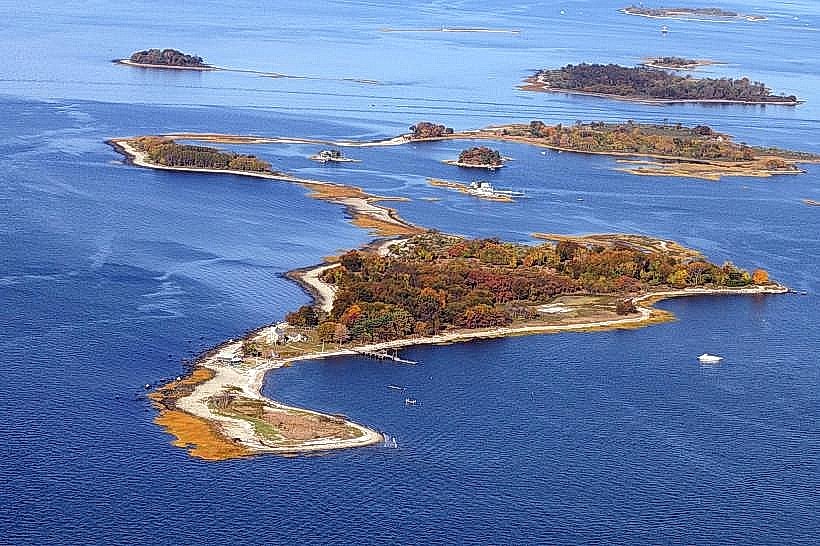
Islands, including Sheffield Island with its historic lighthouse, guard the harbor’s entrance, making it both scenic and strategically valuable.
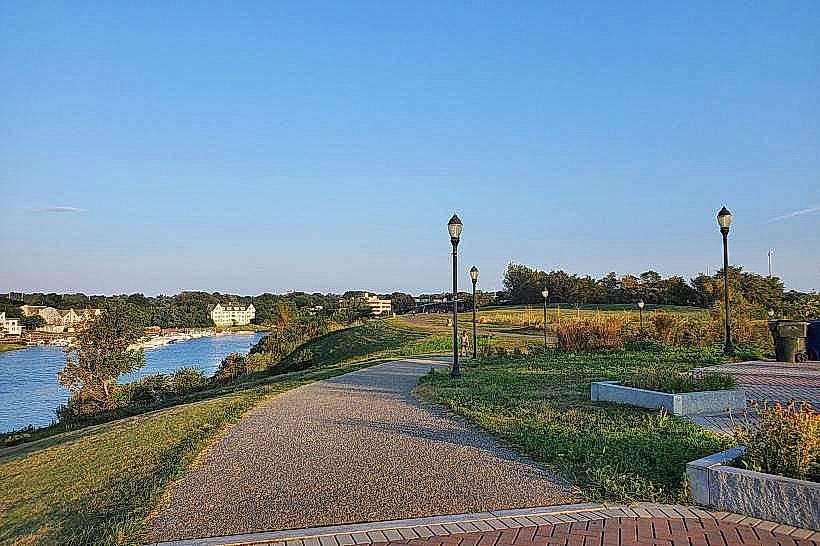
The waterfront is lined with marinas, commercial docks, yacht clubs, and public parks, integrating working and recreational uses.
Economic and Maritime Role
Commercial Fishing and Oystering: The harbor continues to support Connecticut’s shellfish industry, especially oysters, which remain a Norwalk specialty.
Shipping and Industry: While large-scale shipping has declined, the harbor still accommodates barge traffic and industrial shipments.
Recreation and Boating: Dozens of marinas and yacht clubs serve recreational boaters, making Norwalk Harbor a regional boating hub on Long Island Sound.
Tourism: Cruises, ferry services to Sheffield Island, and waterfront attractions contribute to the city’s visitor economy.
Cultural and Community Significance
The harbor area hosts festivals and events, such as the Norwalk Oyster Festival, celebrating the city’s maritime heritage.
Waterfront dining, walking paths, and scenic lookouts provide year-round community engagement with the harbor.
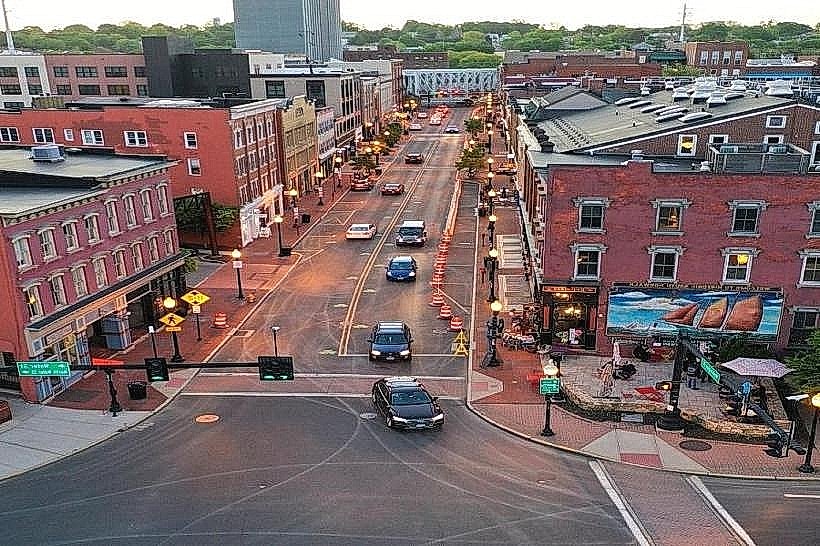
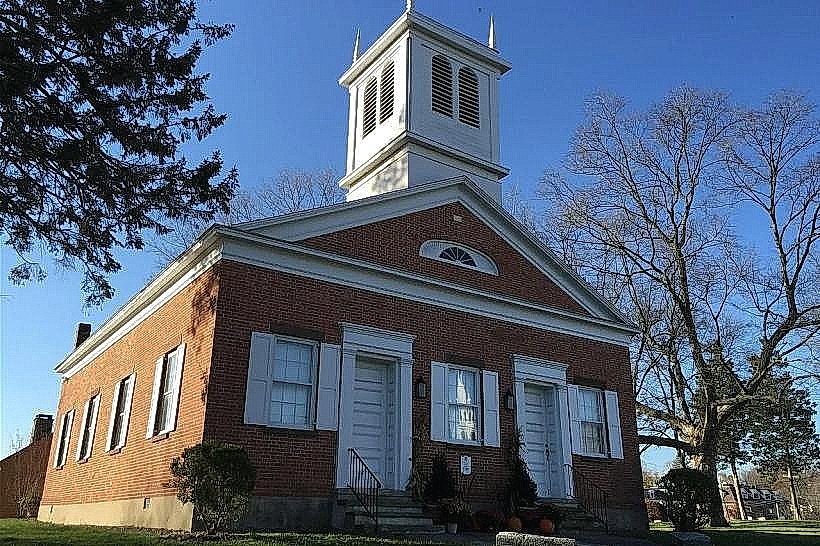
Historic districts and restored buildings near the waterfront reflect Norwalk’s long relationship with the sea.
Environmental and Conservation Aspects
As an estuarine ecosystem, Norwalk Harbor supports a wide variety of marine life, bird species, and coastal vegetation.
Local organizations and government agencies oversee efforts to maintain water quality, habitat protection, and sustainable fishing practices.
Ongoing dredging and management ensure that the harbor remains navigable for both commercial and recreational vessels.
Modern-Day Importance
Today, Norwalk Harbor functions as a mixed-use waterfront, balancing commercial industry, recreational boating, and environmental conservation.
It serves as a gateway to Long Island Sound, linking Norwalk’s urban center with open waters and nearby coastal communities.
The harbor remains a symbol of Norwalk’s maritime identity, deeply tied to its history, economy, and quality of life.
Norwalk Harbor is both a working harbor and a cultural landscape-a place where commerce, heritage, and recreation come together. Its enduring presence underscores Norwalk’s role as one of Connecticut’s most important coastal cities.