Information
Landmark: Odeon TheatreCity: Paphos
Country: Cyprus
Continent: Europe
Odeon Theatre, Paphos, Cyprus, Europe
Visual Characteristics
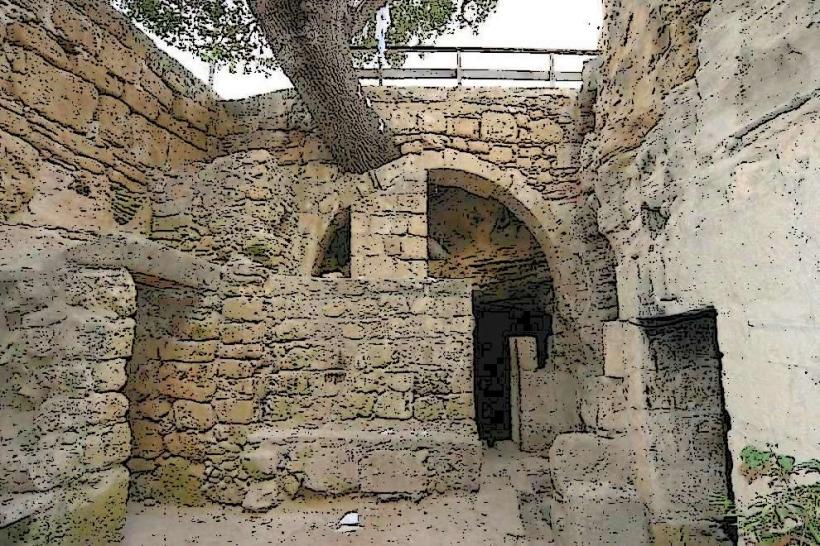
The Odeon Theatre is a semicircular structure constructed primarily from local limestone. It features twelve rows of seating, partially restored, arranged in a tiered fashion around a flat orchestra area. The stage building, or skene, is largely ruined, with only its foundations remaining. The theatre measures approximately 40 meters in diameter and is open to the sky, lacking a roof structure.
Location & Access Logistics
The Odeon Theatre is situated within the Paphos Archaeological Park, approximately 1.5 kilometers southwest of Paphos city center. Access is via Apostolou Pavlou Avenue, leading directly to the park entrance. Ample paid parking is available at the main entrance of the archaeological park. Public transport is accessible via bus routes 603, 610, and 615, which stop at the Paphos Harbour bus station, a 5-minute walk from the park entrance.
Historical & Ecological Origin
The Odeon Theatre was constructed in the 2nd century AD during the Roman period, likely under the reign of Emperor Antoninus Pius. Its original purpose was to host musical performances, theatrical plays, and public lectures. The structure was partially destroyed by earthquakes in the 4th century AD and subsequently restored in the 1970s by the Department of Antiquities of Cyprus.
Key Highlights & Activities
Visitors can walk through the seating tiers and stand on the orchestra floor, experiencing the theatre's acoustics. The Odeon is occasionally used for modern cultural events, including concerts and theatrical performances, offering an opportunity to see the ancient venue in active use. Exploring the surrounding Paphos Archaeological Park provides context for the theatre's historical significance.
Infrastructure & Amenities
Restroom facilities are available at the main entrance of the Paphos Archaeological Park, approximately 200 meters from the Odeon. There is no dedicated shade structure within the Odeon itself, though some shade may be found near surrounding ruins. Cell phone signal (4G/5G) is generally strong throughout the site. Food and beverage vendors are located near the park entrance and along the Paphos Harbour promenade, a short walk away.
Best Time to Visit
The best time to visit for photography is during the early morning or late afternoon to avoid harsh midday sun and benefit from softer lighting. The months of April, May, September, and October offer the most comfortable weather conditions, with moderate temperatures and less intense heat. No specific tide requirements apply to this inland structure.
Facts & Legends
A verified historical oddity is that the Odeon Theatre was not fully excavated until the 1970s, despite its prominent location. Its reconstruction involved using original fallen stones where possible, a testament to archaeological preservation efforts. A local tip for visitors is to check the Paphos municipality's cultural calendar, as the Odeon frequently hosts free public concerts and plays during the summer months, offering a unique viewing experience.
Nearby Landmarks
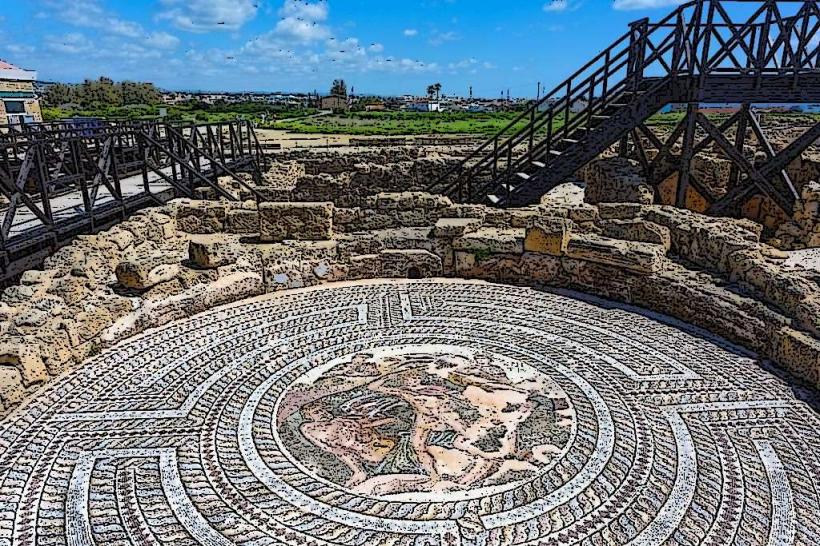
- House of Dionysus: 0.2km East
- Paphos Lighthouse: 0.3km West
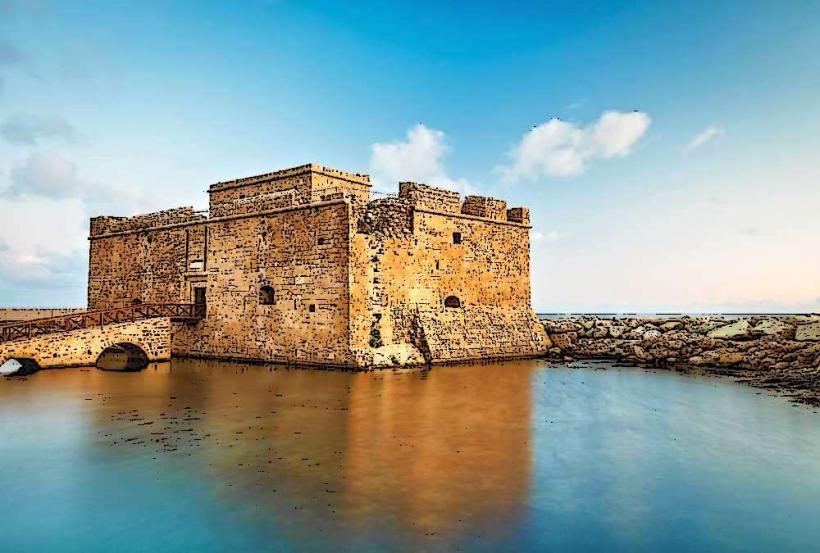
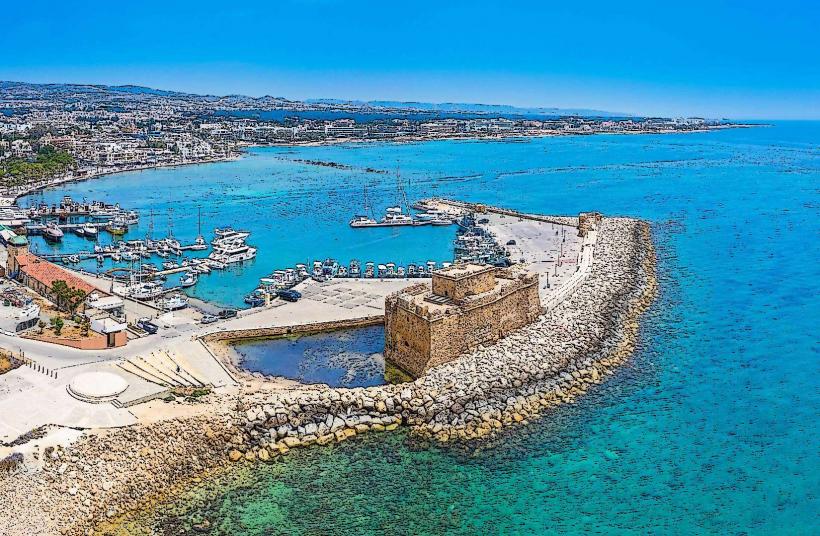
- Paphos Castle: 0.5km South
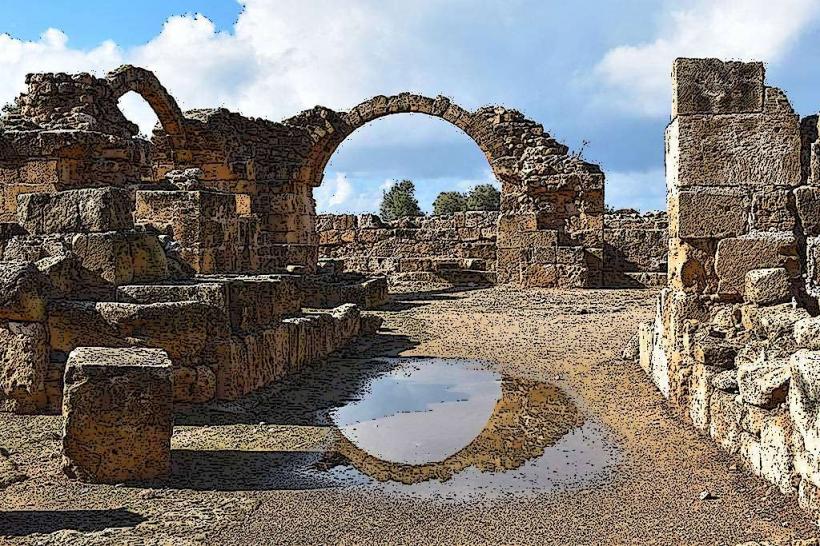
- Saranta Kolones: 0.1km Southeast
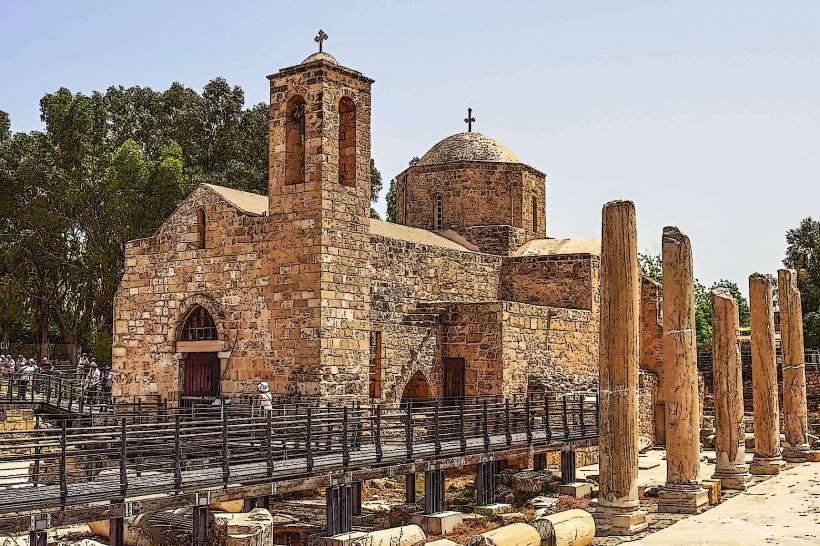
- Agia Kyriaki Chrysopolitissa Church: 1.0km Northeast