Information
Landmark: Paphos MosaicsCity: Paphos
Country: Cyprus
Continent: Europe
Paphos Mosaics, Paphos, Cyprus, Europe
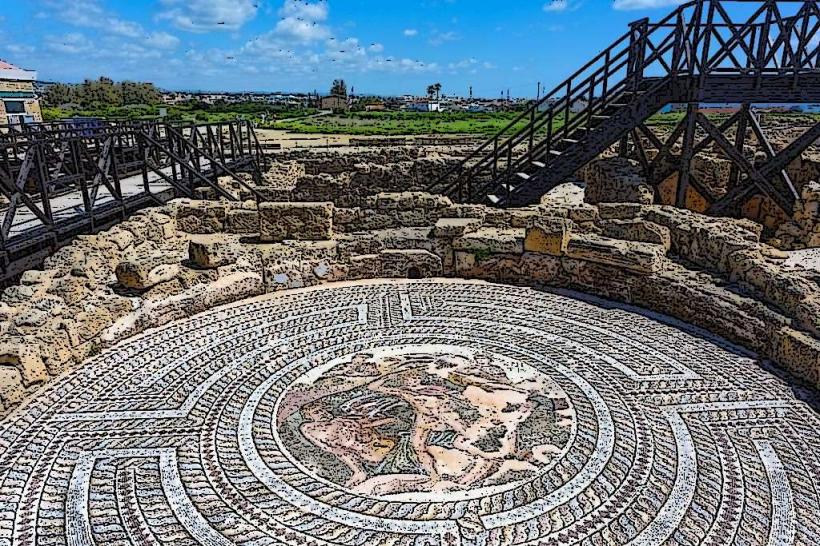
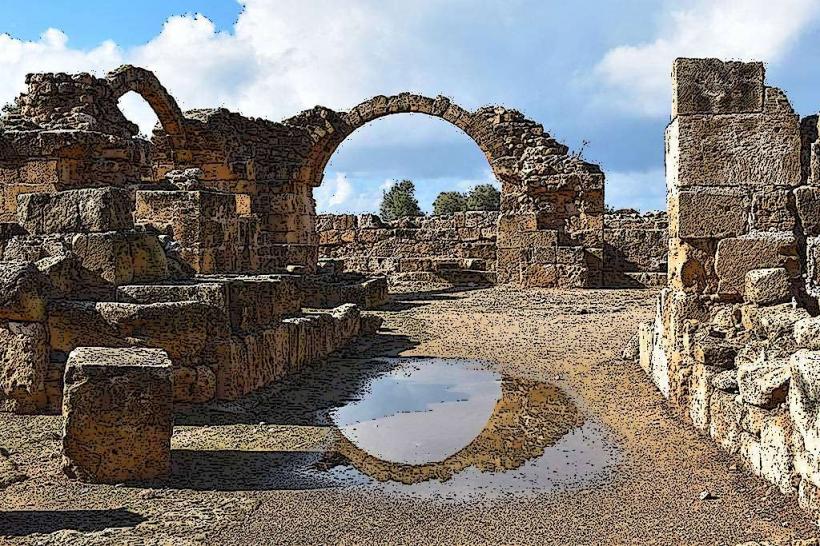
The Paphos Mosaics are extensive Roman floor mosaics located within the Paphos Archaeological Park in Paphos, Cyprus. These intricate artworks once adorned the floors of four large Roman villas, dating primarily from the 2nd to 5th centuries AD.
Visual Characteristics
The mosaics are composed of small stone tesserae, primarily in earth tones, blues, reds, and yellows, forming detailed pictorial and geometric designs. They lie flat at floor level, with many protected by modern shelters. The artworks depict scenes from Greek mythology, daily life, and geometric patterns, showcasing the Roman mosaic art style. The overall condition varies, with some sections remarkably preserved and others showing signs of wear or partial destruction.
Location & Access Logistics
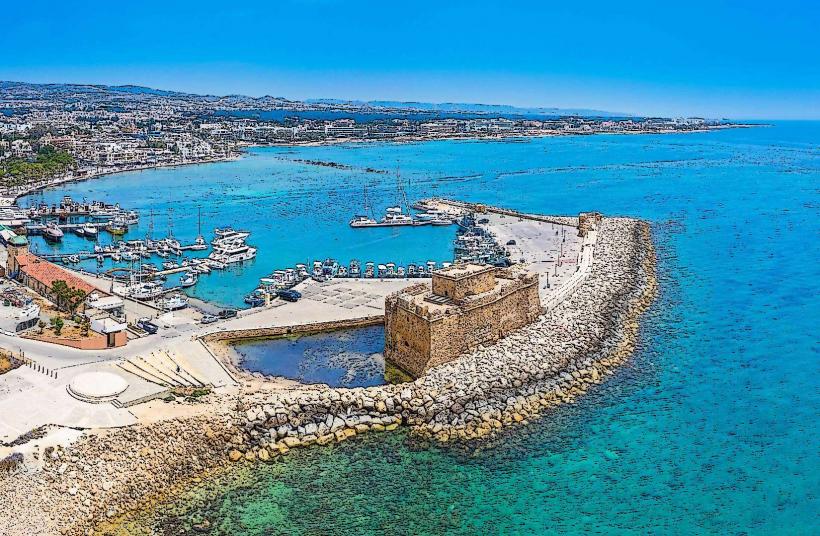
The Paphos Mosaics are situated within the Paphos Archaeological Park, adjacent to the Paphos Harbour. The park is easily accessible from central Paphos, located approximately 1km west of the city center. Parking is available in designated areas near the main entrance of the archaeological park. Local bus services, such as routes 603, 610, and 615, provide direct access to the Paphos Harbour area, which is a short walk from the park entrance.
Historical & Ecological Origin
Construction of these mosaics began in the 2nd century AD and continued through the 5th century AD. They were commissioned by wealthy Roman governors and citizens for their private residences, including the House of Dionysus, the House of Aion, the House of Theseus, and the House of Orpheus. The artisans responsible for their creation were skilled Roman mosaicists. The original purpose was to serve as decorative and functional flooring within these grand villas, reflecting the owners' status and cultural interests.
Key Highlights & Activities
Visitors can walk along designated pathways to view the various mosaic floors, particularly those in the House of Dionysus, known for its vibrant mythological scenes, and the House of Aion, featuring five panels depicting the myth of Dionysus. Photography is permitted without flash. Informational plaques provide context for the depicted scenes and the history of each villa. The site is primarily for self-guided exploration, with no scheduled guided tours from the park administration.
Infrastructure & Amenities
Restroom facilities are available near the entrance of the Paphos Archaeological Park. Limited shade is provided by the protective shelters built over some of the mosaic sites, but much of the walking area is exposed. Cell phone signal (4G/5G) is generally strong throughout the site. A small kiosk offering refreshments and snacks is located near the park entrance, with numerous restaurants and cafes available just outside the park in the Paphos Harbour area.
Best Time to Visit
The best time to visit the Paphos Mosaics is during the cooler months of spring (April-May) or autumn (September-October) to avoid the intense summer heat. Visiting in the early morning shortly after opening or in the late afternoon before closing can provide more comfortable temperatures and softer light for photography. The site is not affected by high or low tide requirements.
Facts & Legends
The Paphos Mosaics were largely discovered by accident in 1962 when a farmer was plowing his field. The House of Dionysus mosaic features a rare depiction of the first wine drinkers. A practical tip for visitors is to wear comfortable, closed-toe shoes, as the site involves extensive walking over uneven terrain and gravel paths.
Nearby Landmarks
- Paphos Harbour: 0.5km West
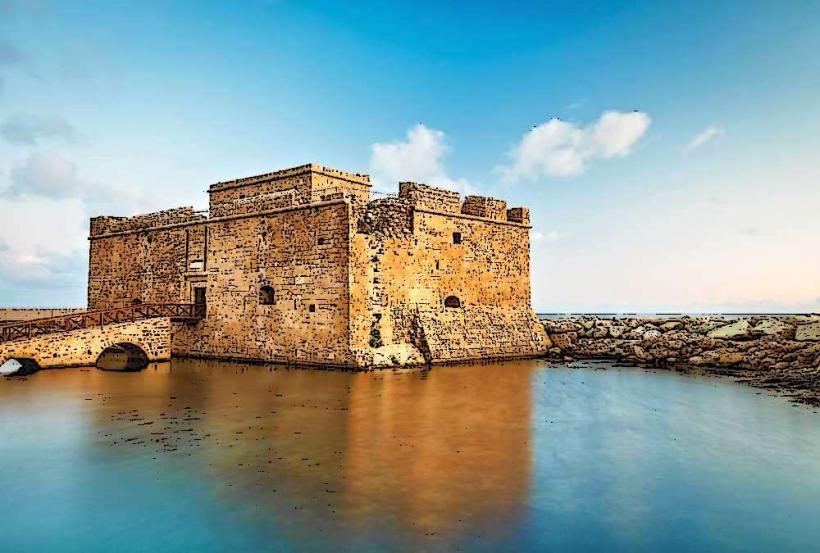
- Paphos Castle: 0.6km West
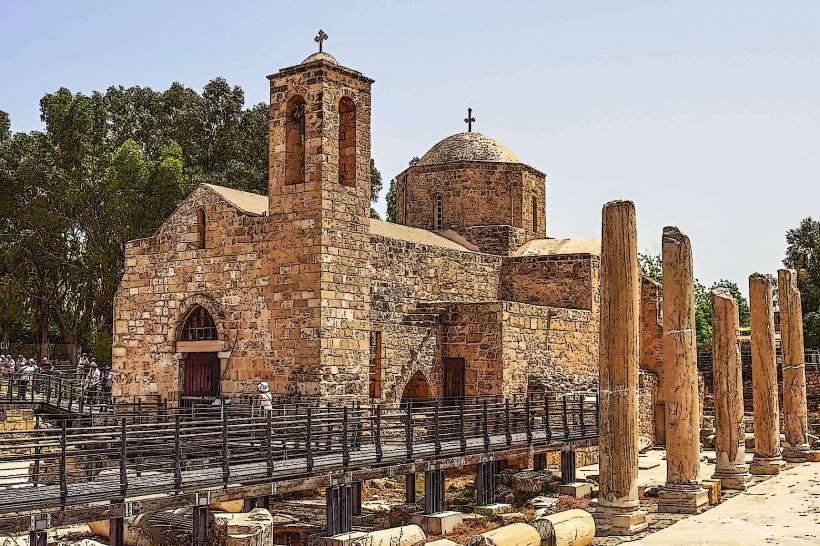
- Agia Kyriaki Chrysopolitissa Church (St. Paul's Pillar): 0.8km East
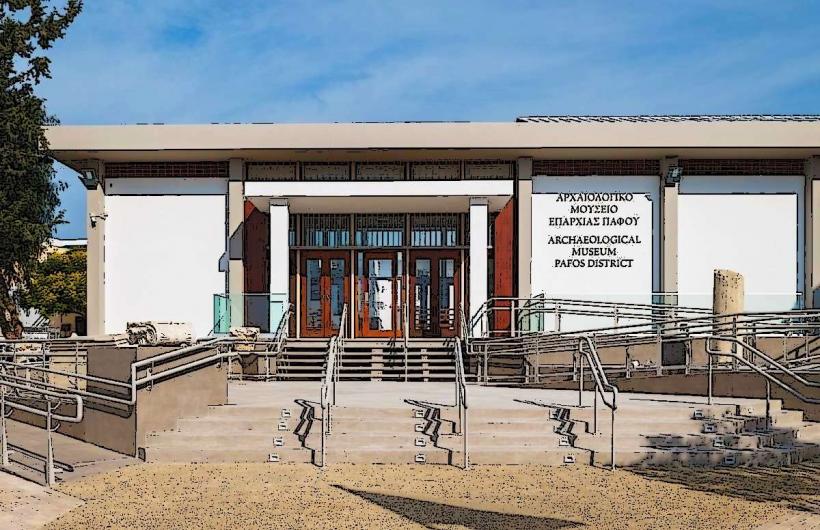
- Paphos Archaeological Museum: 2km Northeast
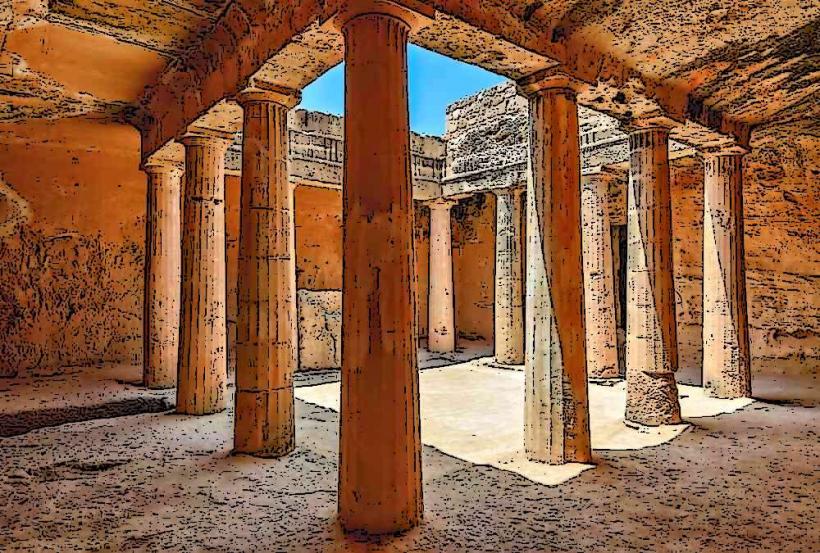
- Tombs of the Kings: 3km North