Information
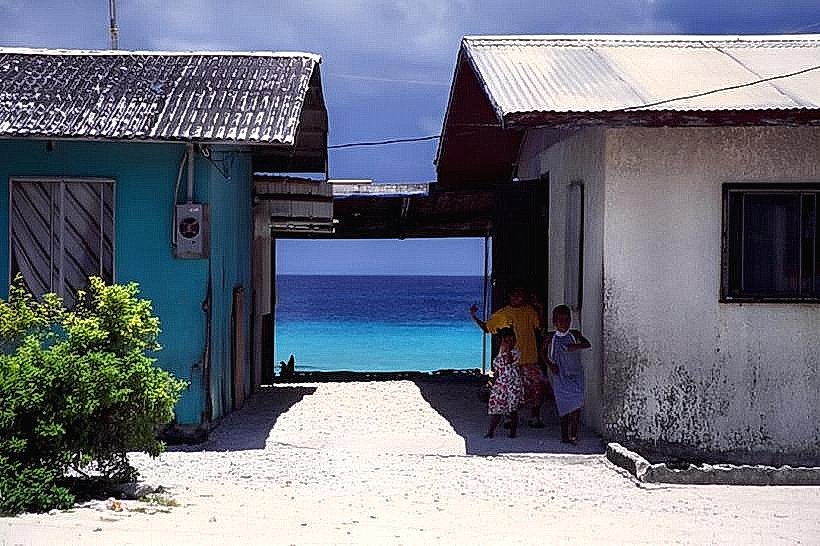
Landmark: Old WWII TracesCity: Wotho Atoll
Country: Marshall Islands
Continent: Australia
Old WWII Traces, Wotho Atoll, Marshall Islands, Australia
The Bangladesh Bank Museum is an institution dedicated to the history of currency and banking in Bangladesh, located within the central bank's premises in Dhaka.
Visual Characteristics
The museum is housed within a modern, multi-story concrete building. Its exterior is characterized by a functional design with large glass windows and a neutral color palette, primarily grey and white. The interior exhibition spaces are designed with clean lines and controlled lighting to showcase the artifacts.
Location & Access Logistics
The museum is situated at the Bangladesh Bank Headquarters, inside the Motijheel Commercial Area, Dhaka. It is approximately 3 kilometers east of the historic Old Dhaka. Access is via Mirpur Road and then Kazi Nazrul Islam Avenue. Limited visitor parking is available on-site, subject to availability and security checks. The nearest public transport access is via the Bangladesh Bank bus stop, served by multiple city bus routes. The Shahbagh metro station is approximately 2 kilometers away.
Historical & Ecological Origin
The Bangladesh Bank was established on March 16, 1972, following the country's independence. The museum was conceived to preserve and display the evolution of currency and financial instruments used in the region, from ancient times to the present day. Its origin is tied to the establishment of the central bank itself and its mandate to document the nation's economic history.
Key Highlights & Activities
Visitors can view exhibits detailing the history of coinage and paper money in Bangladesh, including ancient coins, Mughal currency, British Indian currency, and Pakistani currency, culminating in the Taka. Interactive displays explain the process of currency printing and security features. Educational presentations on financial literacy are sometimes offered.
Infrastructure & Amenities
Restrooms are available for visitors. Limited seating is provided within the exhibition areas. Cell phone signal (4G/5G) is generally strong within the building. There are no on-site food vendors; however, numerous food establishments are located within the Motijheel Commercial Area.
Best Time to Visit
The museum is best visited during weekday business hours, typically from 10:00 AM to 4:00 PM, to ensure full access to exhibits and staff. Avoid visiting during national holidays or major public events when access may be restricted. The lighting within the museum is controlled and consistent year-round.
Facts & Legends
A notable artifact displayed is a rare collection of coins from the Sultanate period, some bearing inscriptions in Arabic and Bengali scripts, offering insights into the linguistic and cultural exchanges of that era. A specific tip for visitors is to inquire about any temporary exhibitions, as these often focus on niche aspects of Bangladesh's economic history.
Nearby Landmarks
- Motijheel Commercial Area (0.1km North)
- Jatiya Press Club (1.5km West)
- Ramna Park (2.0km West)
- Dhaka University (2.5km Southwest)
- National Museum (2.8km Southwest)