Information
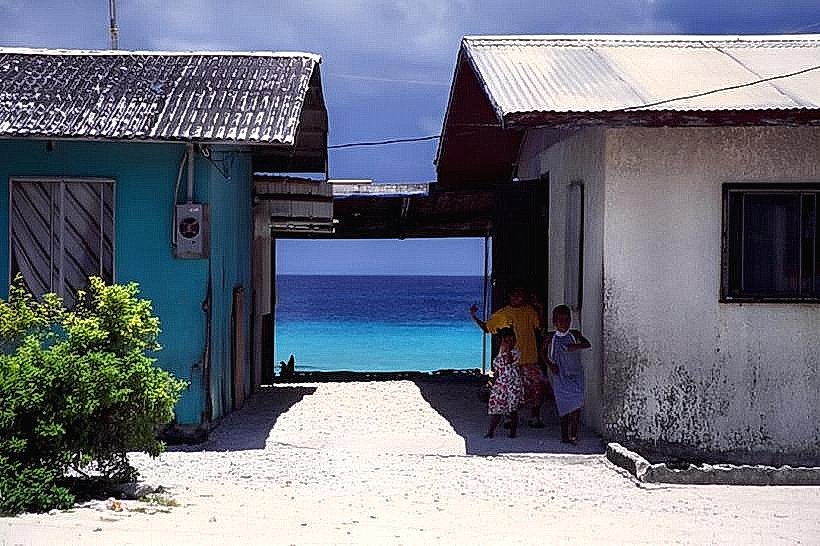
Landmark: Reef Swimming AreasCity: Wotho Atoll
Country: Marshall Islands
Continent: Australia
Reef Swimming Areas, Wotho Atoll, Marshall Islands, Australia
The Sonargaon Folk Art Museum is a repository of traditional Bangladeshi folk art and crafts, located in Sonargaon, near Dhaka, Bangladesh.
Visual Characteristics
The museum is housed within a two-story building constructed primarily of brick with a red-tiled roof. The exterior walls are painted a pale yellow. The building features arched doorways and windows, characteristic of colonial-era architecture. Inside, exhibits are displayed in various rooms, showcasing a range of artifacts.
Location & Access Logistics
Sonargaon is situated approximately 27 kilometers southeast of central Dhaka. Access is typically via the Dhaka-Chittagong Highway (N1). Visitors can take a taxi or ride-sharing service from Dhaka, a journey that takes approximately 45-60 minutes depending on traffic. Local buses also operate on this route, with stops near the Sonargaon historical area. Parking is available on-site, though it can be limited during peak times.
Historical & Ecological Origin
The building that houses the museum was originally the residence of James Wise, a British administrator in the late 19th century. It was later converted into a folk art museum by Bangladeshi artist and activist Zainul Abedin in 1975. The museum's purpose is to preserve and exhibit the rich folk heritage of Bangladesh.
Key Highlights & Activities
Visitors can observe a diverse collection of folk art, including paintings, sculptures, musical instruments, and traditional crafts. The museum displays items such as patachitra (scroll paintings), wooden carvings, terracotta figures, and embroidered textiles. Walking through the exhibition halls allows for an examination of these artifacts.
Infrastructure & Amenities
Restrooms are available within the museum complex. Limited shaded areas are present in the courtyards. Cell phone signal (4G) is generally reliable. Food vendors are typically found outside the museum premises, particularly near the entrance to the Sonargaon historical area.
Best Time to Visit
The best time of day for visiting is generally in the morning or late afternoon to avoid the midday heat. The dry season, from October to March, offers the most pleasant weather conditions. No specific tide requirements are applicable.
Facts & Legends
Sonargaon itself was once the capital of the Bengal Sultanate, and remnants of its historical significance, including the Panam City ruins, are located nearby. A local legend suggests that the area was once a thriving port city, with tales of merchants and royalty associated with its past glory.
Nearby Landmarks
- Panam City (0.8km West)
- Goaldi Mosque (1.5km North)
- Sonargaon Royal Palace ruins (1.2km Northwest)
- Folk Art and Craft Museum (adjacent)