Information
Landmark: Oliver Wolcott HouseCity: Litchfield
Country: USA Connecticut
Continent: North America
Oliver Wolcott House, Litchfield, USA Connecticut, North America
Oliver Wolcott House, located in Litchfield, Connecticut, is a historic residence and museum that commemorates the life and legacy of Oliver Wolcott Sr. (1726–1797), a signer of the Declaration of Independence, Revolutionary War general, and Governor of Connecticut. The house exemplifies colonial architecture and provides insight into the domestic life and political influence of a prominent figure in early American history.
Historical Background
Construction: Built in the late 18th century, the house served as the residence of Oliver Wolcott and his family.
Oliver Wolcott Sr.: Wolcott was a leading patriot, holding multiple public offices, including Connecticut militia general during the Revolutionary War and later governor. His contributions to the founding of the United States are reflected in both his personal and public life.
Historic Significance: The house is a preserved example of colonial-era architecture and the domestic environment of a politically prominent family, linking it to Litchfield’s broader historical context as a center of governance, law, and education.
Architecture and Features
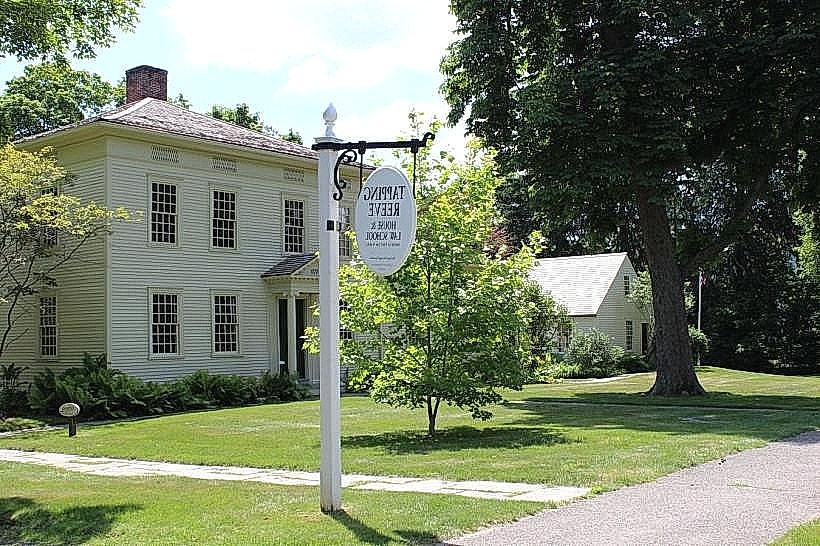
Style: Colonial and Georgian architectural elements, with symmetrical façades, clapboard siding, gabled roof, and central chimneys.
Interior: Features wide-plank wood floors, original fireplaces, period woodwork, and formal rooms that reflect 18th-century domestic life.
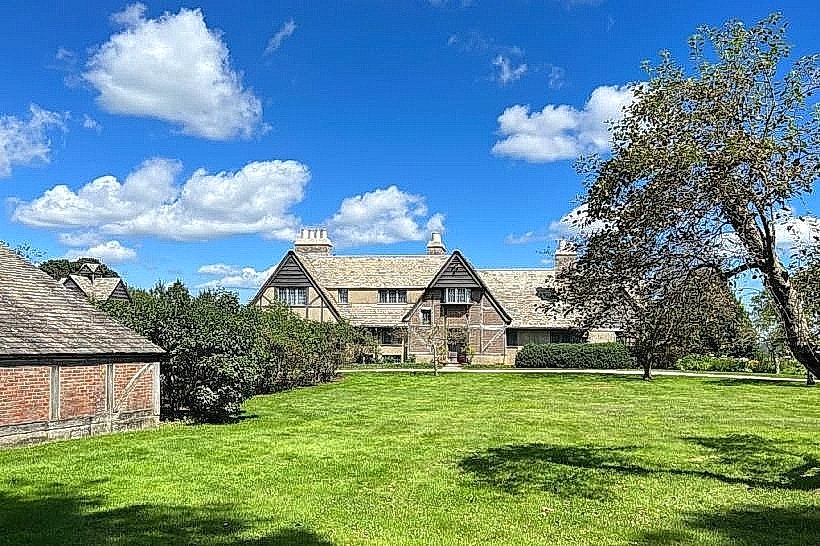
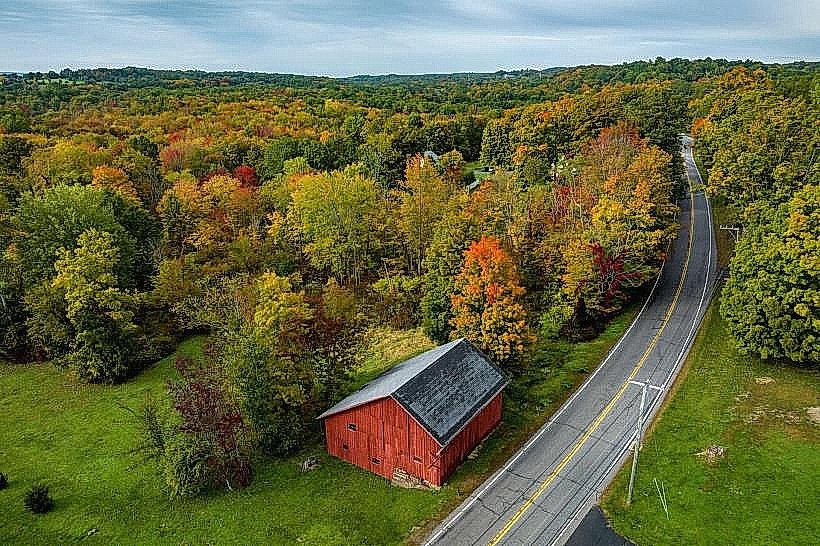
Outbuildings: May include historic barns or service structures associated with the original estate, reflecting the operational needs of a colonial household.
Landscape: The property includes gardens and lawns consistent with 18th-century estate design, offering scenic views and outdoor spaces for reflection.
Museum and Educational Role
Historic Preservation: Restored to reflect its late 18th-century appearance, preserving original architectural details and furnishing styles.
Interpretive Exhibits: Highlight Wolcott’s political and military career, family life, and Litchfield’s role in Revolutionary-era Connecticut.
Guided Tours: Visitors can explore the residence, learning about early American governance, Revolutionary history, and domestic architecture.
Educational Programs: School groups, historians, and general visitors benefit from interpretive materials and programs illustrating colonial history and Wolcott’s impact.
Visitor Experience
Historic Context: Offers a glimpse into the life of a Founding Father and the daily routines of a prominent 18th-century Connecticut family.
Architectural Appreciation: Visitors can examine Georgian and colonial design features, period furnishings, and well-preserved structural elements.
Cultural Engagement: Tours and exhibits provide insight into Revolutionary War history, Connecticut’s political development, and the Wolcott family legacy.
Cultural and Community Significance
National Heritage: As the home of a Declaration of Independence signer, the house contributes to the nation’s historical narrative.
Preservation Efforts: Maintains Litchfield’s colonial character and educates the public on early American political and domestic life.
Community Resource: Supports cultural tourism, educational programming, and historical scholarship in the region.
Visitor Information
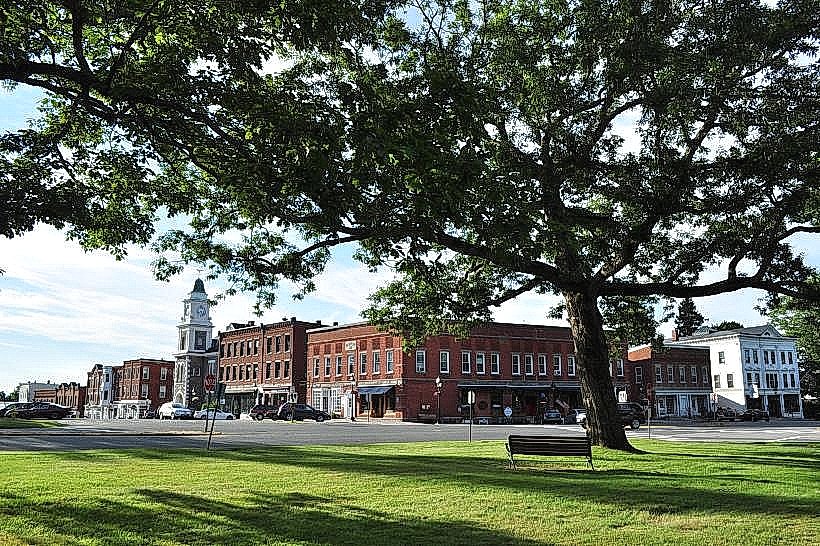
Location: Central Litchfield, Connecticut, near Litchfield Green and other historic landmarks.
Hours: Open seasonally; guided tours scheduled by appointment or at designated times.
Admission: Modest fee; donations and memberships support preservation.
Facilities: Parking, interpretive signage, and accessible pathways where possible; interior accessibility may be limited due to historic preservation constraints.
Oliver Wolcott House is a vital historical landmark, blending colonial architecture, Revolutionary-era heritage, and the story of a Founding Father. It offers visitors an immersive experience of 18th-century domestic life while connecting them to the broader political and social history of Litchfield and the early United States.