Information
Landmark: Orto Botanico di PisaCity: Pisa
Country: Italy
Continent: Europe
Orto Botanico di Pisa, Pisa, Italy, Europe
The Orto Botanico di Pisa (Botanical Garden of Pisa) is the world's first university botanical garden. Established in 1544, it is managed by the University of Pisa and serves as a center for botanical research, conservation, and education.
Visual Characteristics
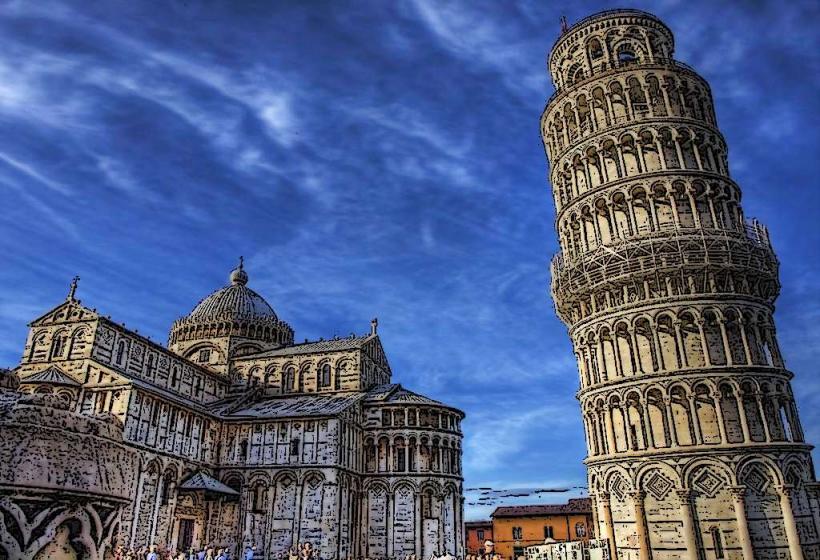
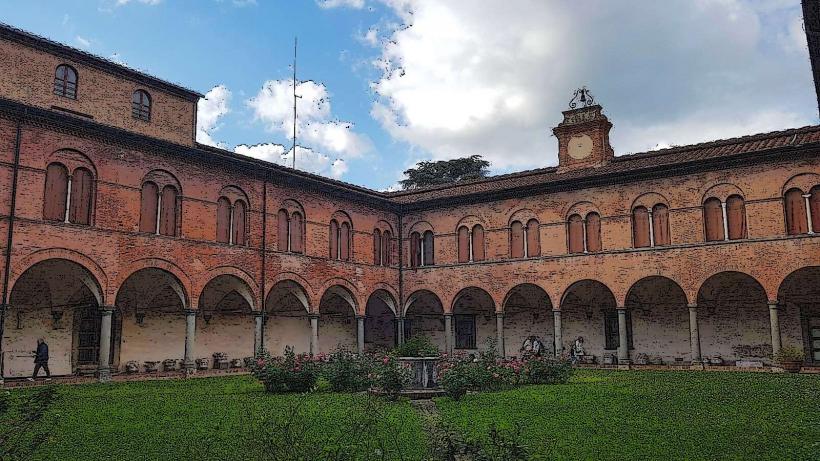
The garden spans 3 hectares and features a blend of historic and modern botanical arrangements. It is characterized by its 19th-century facade decorated with seashells and corals (the Museo Botanico) and its diverse arboretum. The layout includes structured flower beds, specialized greenhouses, and a large central pond. The presence of centuries-old trees against the backdrop of the nearby Leaning Tower provides a distinct aesthetic.
Location & Access Logistics
Located at Via Luca Ghini, 13, approximately 200 meters south of Piazza dei Miracoli. It is easily accessible on foot from the Leaning Tower (3 minutes) or Pisa Centrale station (20 minutes). Entry requires a ticket. Opening hours vary by season, typically 08:30 to 17:00 or 19:00. The garden is a quiet, enclosed green space within the dense historic city center.
Historical & Ecological Origin
Founded by the botanist Luca Ghini under the patronage of Cosimo I de' Medici in 1544. While it moved twice before settling in its current location in 1591, it maintains the title of the oldest academic botanical garden. It was created to study medicinal plants (simples) for the university's medical school. Ecologically, it preserves rare Tuscan flora and significant specimens from across the globe.
Key Highlights & Activities
The Botanical Museum: Located within the grounds, it houses portraits of famous botanists, 18th-century wax models of plants, and a vast herbarium.
Oldest Specimens: Features a Magnolia grandiflora and a Ginkgo biloba planted in the late 18th century.
The Greenhouse Complex: Includes specialized environments for succulents, tropical plants, and aquatic species.
Medicinal Plants Section: A dedicated area reflecting the garden’s original 16th-century purpose, organized by pharmacological properties.
Infrastructure & Amenities
The garden is partially accessible; most paths are gravel or flat dirt, though some historic areas may have steps. 5G cellular coverage is reliable throughout the grounds. Public restrooms are available near the museum entrance. Benches are positioned throughout for rest, making it a common refuge from the heat and crowds of the Piazza dei Miracoli.
Best Time to Visit
Spring (April–May) is the peak blooming period. Early morning or late afternoon provides the best light for photography and the most tranquil experience. It is an excellent midday retreat when the main tourist sites are at peak capacity.
Facts & Legends
The garden’s "Ginkgo biloba" is one of the oldest in Italy. Historically, the garden was a primary source for the development of modern botany as a rigorous scientific discipline. It originally included a "natural history gallery" that evolved into the University’s separate Natural History Museum now located in Calci.
Nearby Landmarks
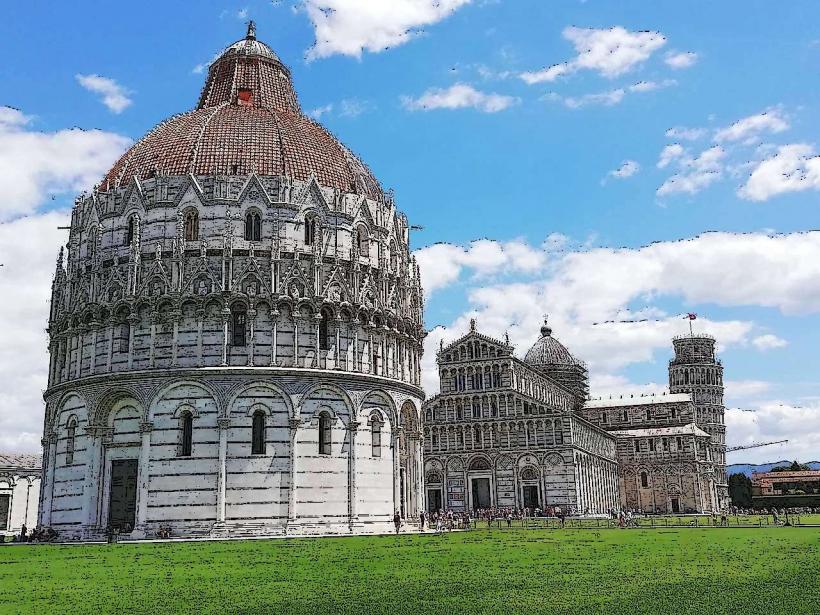
Piazza dei Miracoli: 0.2km North
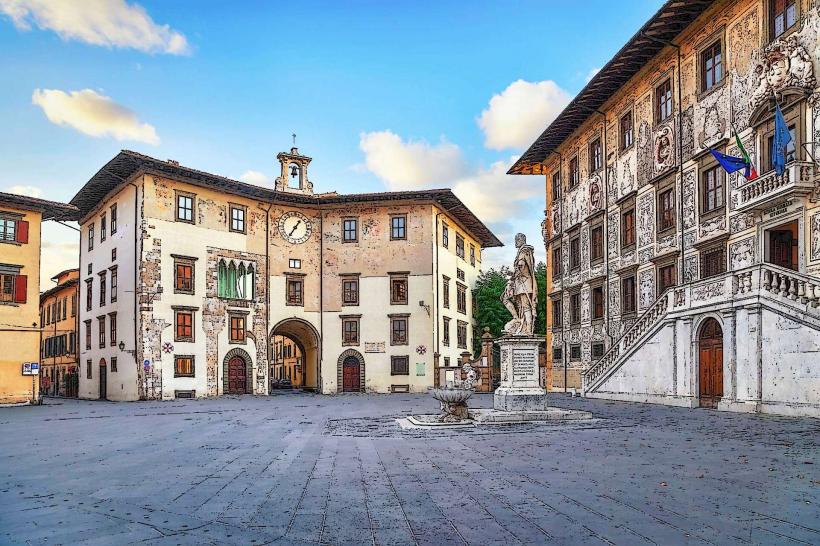
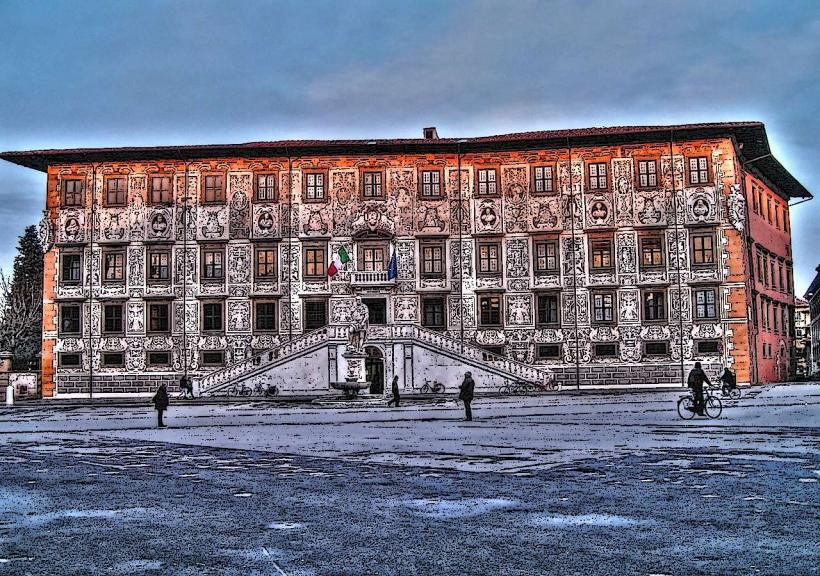
Piazza dei Cavalieri: 0.4km East
Church of San Nicola: 0.3km South
National Museum of the Royal Palace: 0.5km South
Arno River: 0.6km South