Information
Landmark: Piazza dei MiracoliCity: Pisa
Country: Italy
Continent: Europe
Piazza dei Miracoli, Pisa, Italy, Europe
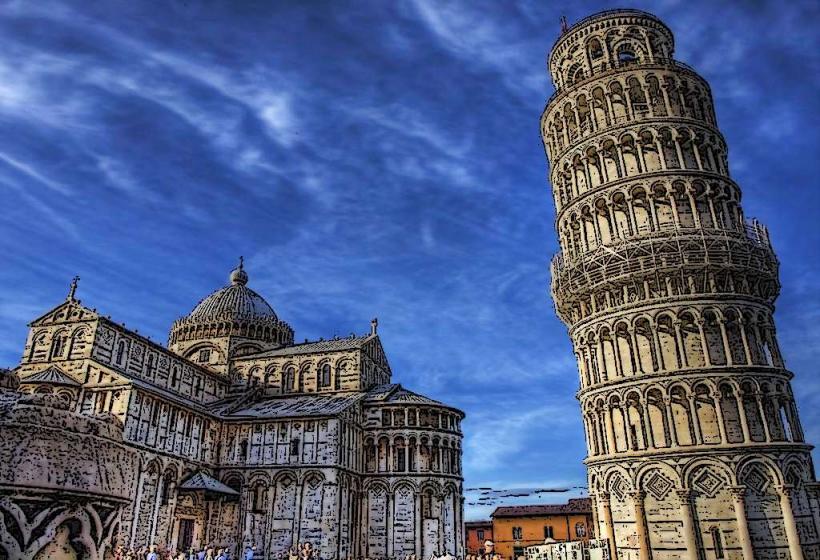
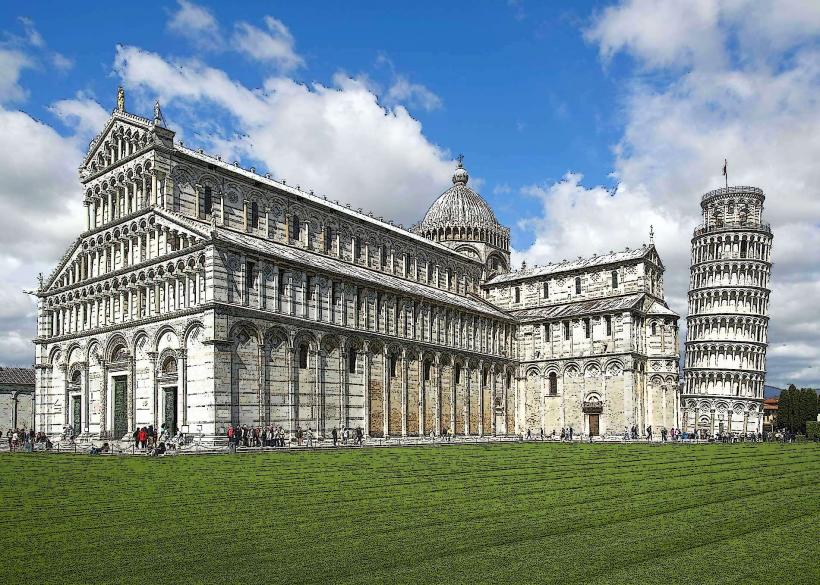
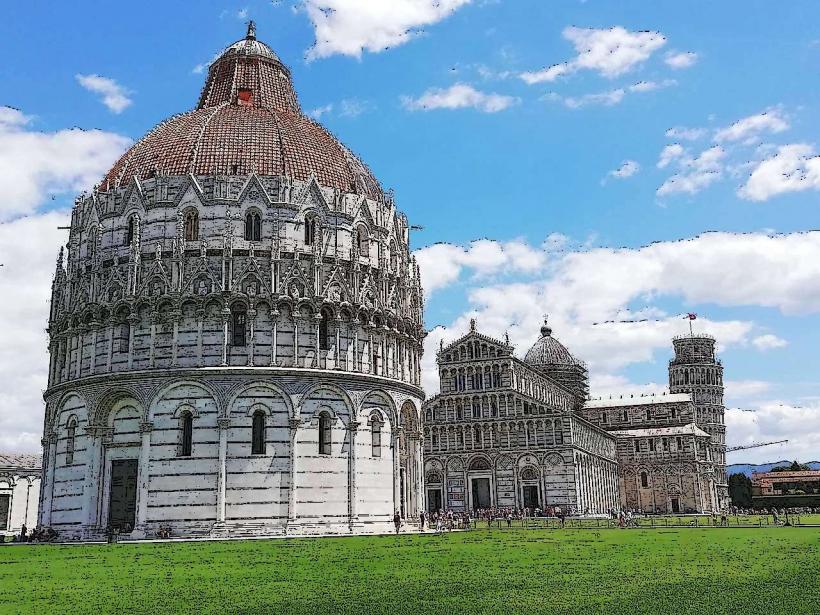
Piazza dei Miracoli (Square of Miracles), formally known as Piazza del Duomo, is a 21-acre walled area in Pisa recognized as one of the most significant centers of medieval art. A UNESCO World Heritage site, it contains four masterpieces of Romanesque architecture: the Cathedral, the Baptistery, the Leaning Tower, and the Camposanto.
Visual Characteristics
The square is characterized by a vast expanse of manicured green lawn, which contrasts with the brilliant white marble and gray limestone of the monuments. Unlike most Italian squares, which are paved and surrounded by residential buildings, this site is largely open and bordered by ancient defensive walls. The architectural style, known as Pisan Romanesque, features intricate colonnades, blind arches, and geometric marble inlays (incrustation).
Location & Access Logistics
Located at the northwestern edge of the historic center of Pisa. It is a 20-minute walk from the Pisa Centrale railway station or a 5-minute walk from the Pisa San Rossore station. Local "LAM Rossa" buses connect the main station to the square. The area is entirely pedestrian; vehicle access is restricted, with the nearest large parking lot at Parcheggio Pietrasantina (connected by shuttle).
Historical & Ecological Origin
The "miracle" designation was coined by poet Gabriele d'Annunzio in 1910, describing the buildings as "miracles" of beauty. The site was developed between the 11th and 14th centuries during the height of the Republic of Pisa's maritime power. The square sits on an alluvial plain where the soil composition-alternating layers of clay and sand-directly caused the structural instability of the Leaning Tower.
Key Highlights & Activities
Pisa Cathedral (Duomo): A five-aisled basilica featuring a distinct bronze door (Porta di San Ranieri) and a masterpiece pulpit by Giovanni Pisano.
The Baptistery of St. John: The largest baptistery in Italy, noted for its exceptional acoustics and the transition from Romanesque (lower level) to Gothic (upper level) styles.
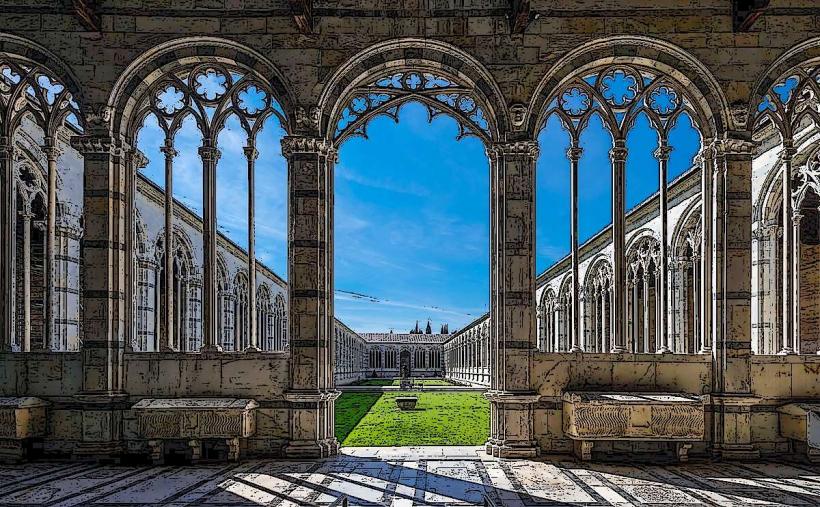
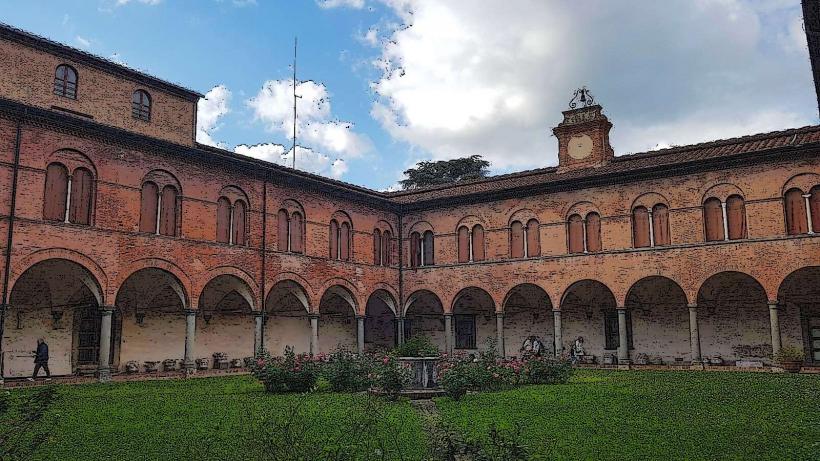
Camposanto Monumentale: A cloistered cemetery built around "holy soil" allegedly brought back from Golgotha during the Crusades. It contains significant medieval frescoes.
Sinopie Museum: Houses the original parchment drawings (sinopie) recovered from the Camposanto walls after World War II fire damage.
Infrastructure & Amenities
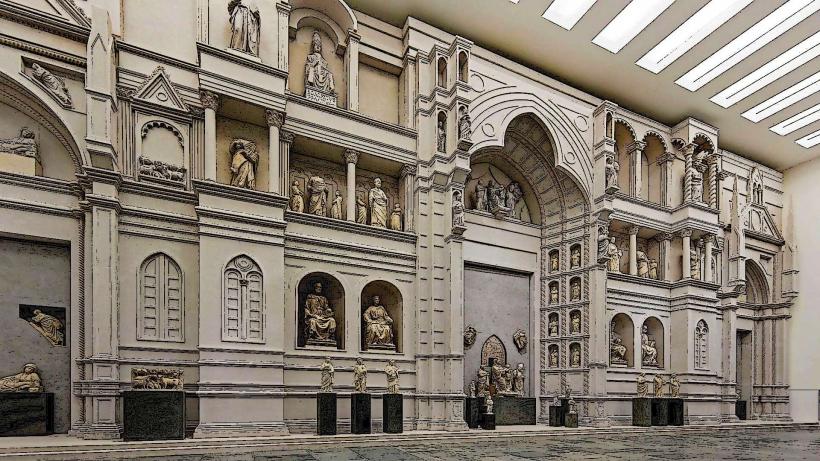
The square features a centralized ticket office where visitors can purchase various combination passes. 5G coverage is excellent across the lawns. The Museo dell'Opera del Duomo contains the original sculptures and treasures from the buildings. Public restrooms and a cloakroom are located on the southern edge. The area is largely wheelchair accessible, with the exception of the upper levels of the Tower and Baptistery.
Best Time to Visit
The monuments are open daily from 09:00, with closing times varying by season (usually 18:00 to 20:00). To avoid massive tour groups, visit before 10:00 or after 17:00. The white marble is particularly luminous at sunrise and during the "blue hour" immediately following sunset.
Facts & Legends
The layout of the square is said to represent the stages of human life: the Baptistery (Birth), the Cathedral (Life), and the Camposanto (Death). During the 1944 bombings, a stray Allied shell caused a fire that nearly destroyed the Camposanto frescoes; a decades-long restoration project has since recovered much of the work.
Nearby Landmarks
Leaning Tower of Pisa: 0.05km East (part of the complex)
Ancient City Walls (Mura di Pisa): 0.1km North
Botanical Garden of Pisa: 0.4km South
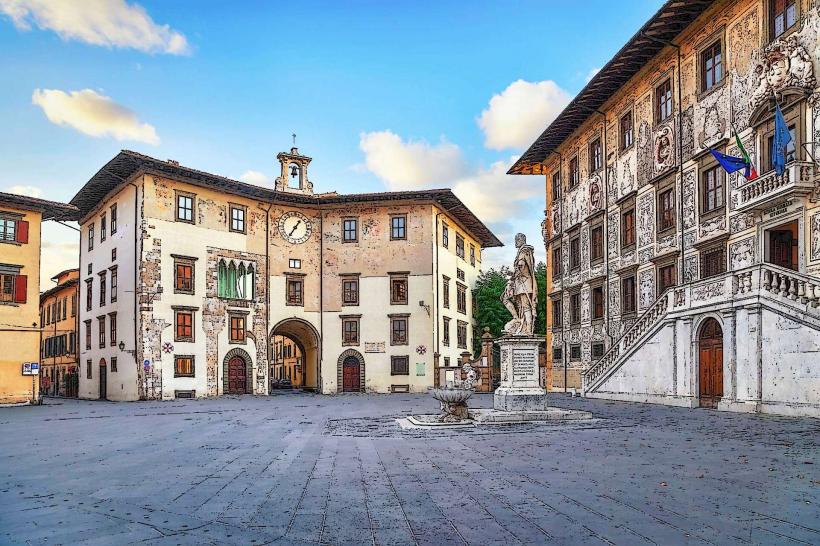
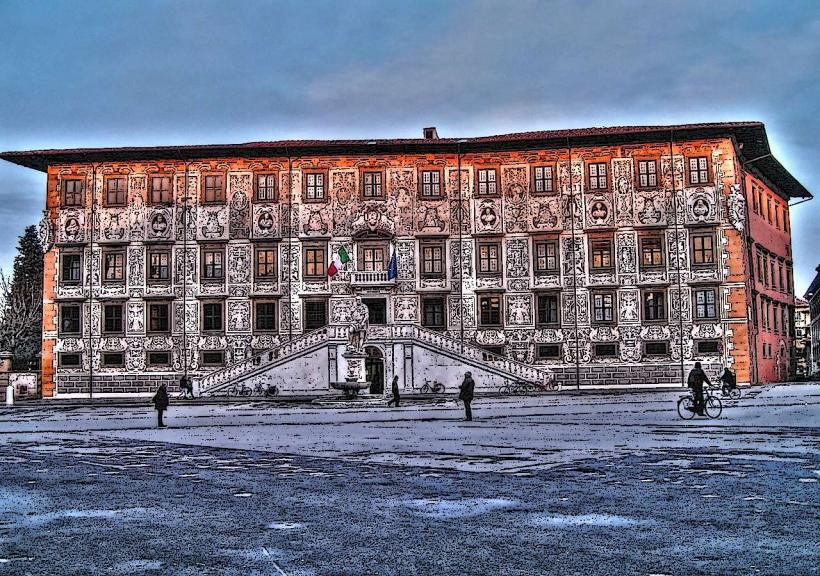
Piazza dei Cavalieri: 0.6km Southeast
Arno River: 1.0km South