Information
Landmark: Palacio de la MagdalenaCity: Santander
Country: Spain
Continent: Europe
Palacio de la Magdalena, Santander, Spain, Europe
Overview
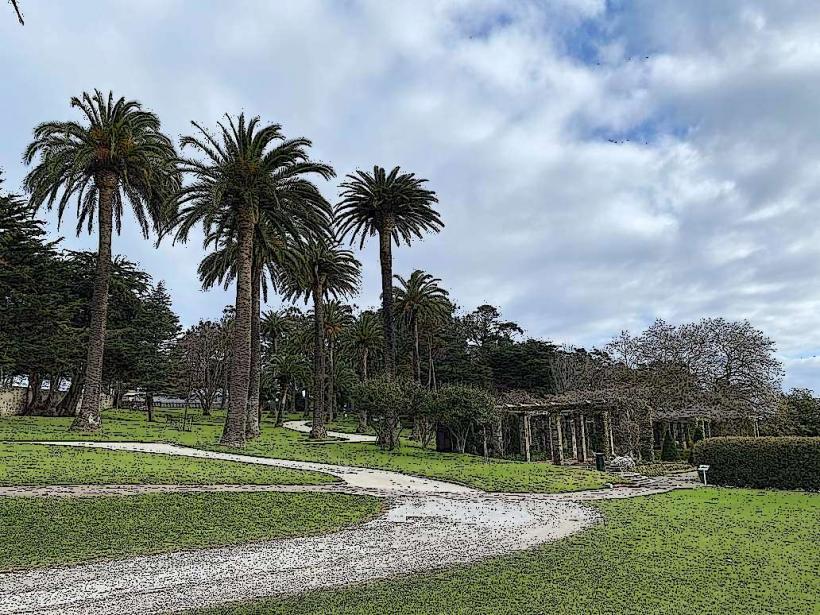
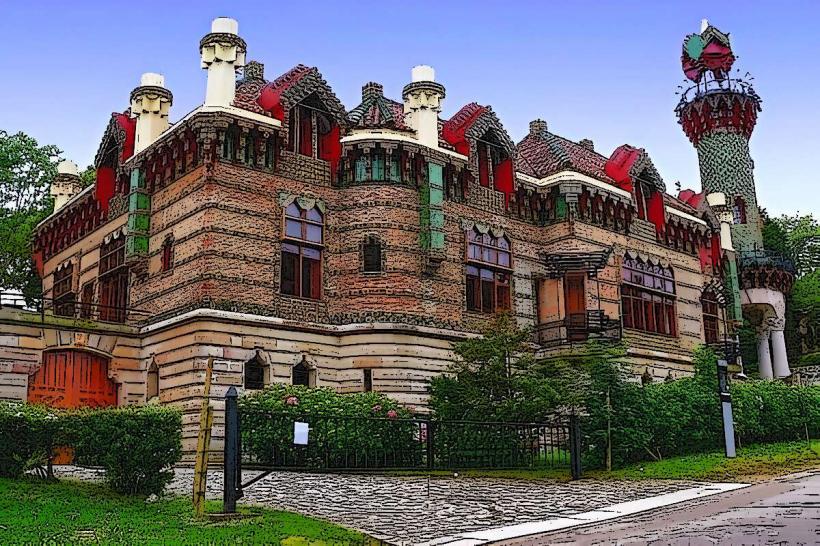
Perched on the windswept Magdalena Peninsula, the Palacio de la Magdalena stands as one of Santander’s most beloved landmarks, in conjunction with it’s a proud emblem of the city’s royal and cultural roots, giving visitors a peek at its gilded past while buzzing today as one of its busiest cultural halls.Believe it or not, Let’s take a closer glance at the Palacio de la Magdalena, built in the early 1900s as a summer retreat for Spain’s royal family-most notably King Alfonso XIII, who once strolled its breezy cliffside gardens, after that the palace was built to host the royal family whenever they came to Santander, a breezy seaside spot long favored by Spain’s summering nobility.They broke ground in 1911, and by the next year the palace stood finished, its fresh stone walls still smelling of fresh mortar, what’s more architects Javier González de Riancho and Luis Peña Ganchegui designed it, fusing Spanish architectural traditions with touches of French and English palace grandeur, like sweeping stone terraces, in some ways The Palacio de la Magdalena showcases early 20th-century neo-Baroque style, with grand classicist facades, graceful terraces that catch the afternoon sun, and a steeply pitched roof, as a result the structure blends the stately elegance of a royal residence with the easy warmth of a summer retreat, like sunlight spilling across a velvet chair.Outside, the palace rises from a sweep of lush gardens, where the scent of jasmine drifts on the breeze and the Bay of Santander stretches toward the Magdalena Peninsula, in turn stone carvings frame the façade, while wide windows catch the light and balconies spill onto broad terraces with a clear sweep of sea and hills beyond.Inside, the Palacio de la Magdalena dazzles with grand rooms, warm wood-paneled halls, and ornate décor, where polished floors catch the light, what’s more the palace was built for royalty, but now its grand halls host official events, art exhibitions, and bustling conferences, loosely The palace’s deep ties to the Spanish royal family stand out as one of its most defining traits, like the gilded crest above its grand entrance, also when summer brought King Alfonso XIII to Santander, he and his family stayed there-it became their official residence, with sea breezes drifting in through the open windows.The royal family held countless gatherings here-banquets lit by rows of flickering candles-and the palace stood as a proud reminder of their presence and care for the region, therefore when the royal family visited, the palace came alive with receptions, banquets, and formal ceremonies, some attended by prominent figures of the day, from glittering European nobles to well-known dignitaries.The palace came to embody the royal family’s support for the Cantabria region, helping put Santander on the map as a glittering seaside retreat for the wealthy, as a result since the royal family stopped living in the palace, it’s hosted everything from art exhibits to town meetings in its echoing halls.Just so you know, In 1977, the city of Santander took over the building and threw its doors open to the public, letting sunlight spill across its worn stone floors, simultaneously these days, the Palacio de la Magdalena buzzes with life, hosting cultural events, lively conferences, art-filled exhibitions, and concerts that echo through its grand halls.Every summer, the palace buzzes with life as one of the main stages for the Festival Internacional de Santander, a celebrated gathering of music and the arts known around the world, while educational Venue: The palace also hosts a range of classes and training sessions, from history lectures in echoing halls to hands-on workshops in sunlit courtyards.Somehow, It offers lectures, lively seminars, and programs on the arts, science, and culture, from gallery talks to hands‑on experiments, not only that in Santander, the Palacio de la Magdalena draws visitors from across the globe, luring them with its grand stone towers, storied past, and the sweeping parkland where sea breezes carry the scent of salt and pine.The Palacio de la Magdalena sits in the heart of the vast, 90-hectare Magdalena Park on the peninsula, where grassy paths lead to sweeping views of the bay and the pale sand of nearby beaches, likewise the park’s ideal for a leisurely saunter under shady trees, a picnic on the grass, or any kind of outdoor fun.The palace gardens unfold in perfect harmony, where shining marigolds edge winding paths and tall oaks stand beside sculpted hedges, also winding walking paths guide visitors through the park, where the scent of saltwater drifts up from sweeping views of the coastline.Magdalena Park also has a petite zoo, where you can spot animals native to the area, from sleek sea lions to colorful local fish, in conjunction with families feel at home here, and visitors do too, drawn by the lively streets and the smell of fresh coffee drifting from corner cafés.Perched on the Magdalena Peninsula, the Palacio de la Magdalena looks out over Santander Bay and the rugged coastline, with Sardinero Beach stretching like a pale ribbon along the shore, as well as the building blends a mix of influences-neo-Baroque curves, touches of French elegance, and the warmth of an English country house, like pale stone walls catching the afternoon light.The palace once served as King Alfonso XIII’s home, where his family strolled its sunlit halls, a living emblem of the Spanish monarchy’s bond with Cantabria, along with these days, the Palacio de la Magdalena hosts art shows, concerts, and conferences, its grand halls echoing with voices, while still drawing crowds of curious visitors.At the Palacio de la Magdalena, visitors can step inside certain rooms, where light spills across polished floors and exhibitions or lively events often take region, on top of that while some sections of the palace still host official events, visitors can wander through its grand halls, quiet chambers, and long echoing corridors open to the public.Magdalena Park, wrapped around the palace, stays open all year, offering shady paths for a stroll, a quiet bench to relax, or a sunny lawn for a family picnic, besides from the park, you witness the palace up close and, beyond it, the pale blue sweep of the Bay of Santander-it’s easily one of the city’s most lovely sights, occasionally In the end, the Palacio de la Magdalena is a site you can’t skip in Santander, where grand stone halls meet sweeping views of the glittering bay, then maybe it’s the royal history that pulls you in, or the gleam of its carved stone arches, or the culture woven into every corridor-but the palace stands as proof of the city’s deep past and its lively, thriving present.It’s still one of Santander’s top draws, where you can wander through its history and then step outside to take in sweeping views of the bay and green hills beyond.
Author: Tourist Landmarks
Date: 2025-08-18