Information
Landmark: Paseo de PeredaCity: Santander
Country: Spain
Continent: Europe
Paseo de Pereda, Santander, Spain, Europe
Paseo de Pereda is a historic waterfront boulevard and park system extending along the northern edge of the Bay of Santander in Santander, Spain. It serves as the primary architectural and social axis of the city, connecting the maritime district with the historic center.
Visual Characteristics
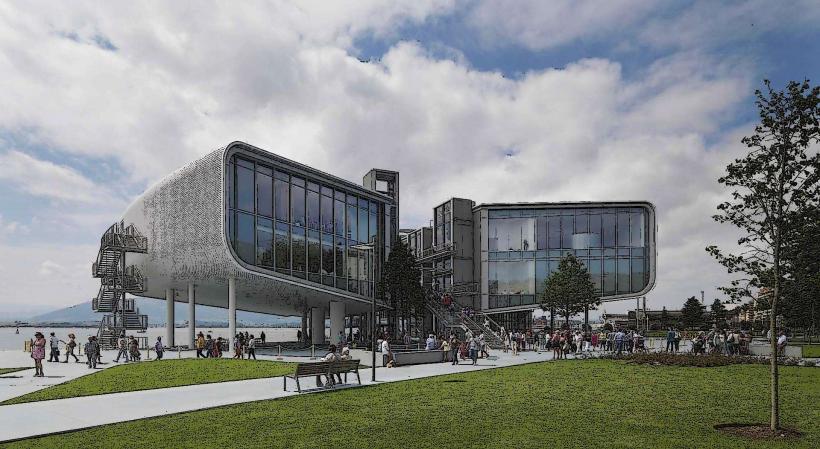
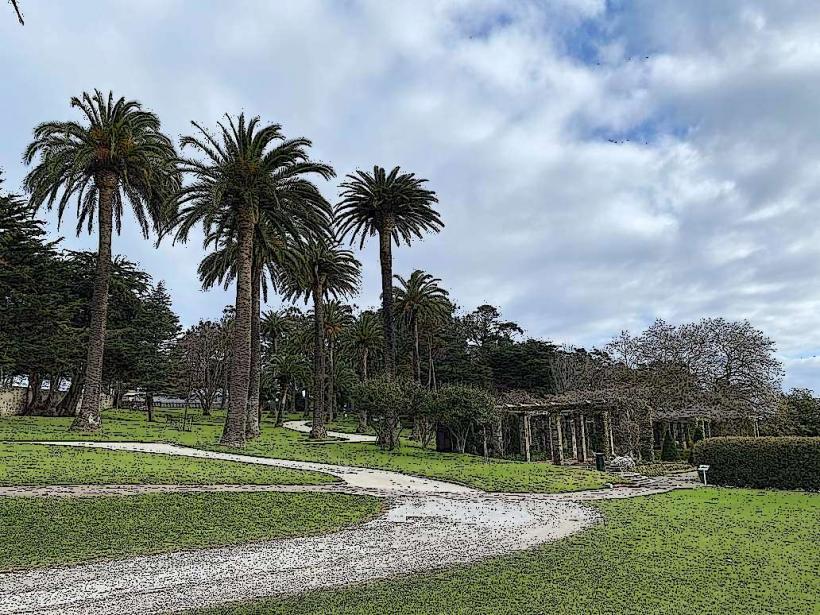
The boulevard is defined by a continuous row of 18th- and 19th-century residential buildings featuring white wooden balconies (miradores) and ornate stone facades. Parallel to the buildings are the Jardines de Pereda, a landscaped park containing cedar, magnolia, and palm trees, integrated with modern stone walkways and the transparent glass and ceramic architecture of Centro Botín. The ground is paved with a mix of granite slabs and traditional tiles, separating the pedestrian zones from the multi-lane roadway.
Location & Access Logistics
The promenade runs along the N-623 and N-611 roads, stretching from the Cathedral area to the Los Raqueros statues. It is located approximately 0.5 kilometers from the main Santander train and ferry terminals. Most municipal bus lines (TUS), including lines 1, 2, 3, 4, and 7, have multiple stops along the Paseo. Underground parking is available at Plaza de Alfonso XIII and Plaza de Pombo.
Historical & Ecological Origin
The area was developed following the 18th-century expansion of the port and was officially named in 1905 after the Cantabrian novelist José María de Pereda. Much of the original architecture survived the Great Fire of 1941, making it the most significant preserved historical ensemble in the city. The adjacent gardens were expanded and redesigned in 2014 by architect Renzo Piano to enhance the ecological connection between the urban core and the bay.
Key Highlights & Activities
Walking and cycling are the primary activities along the 800-meter promenade. Key features include the historic Banco Santander headquarters with its massive archway, the monument to José María de Pereda, and the "Los Raqueros" bronze sculptures depicting harbor children. Small boat tours (Los Reginas) depart from the Palacete del Embarcadero for trips across the bay to Somo or Pedreña.
Infrastructure & Amenities
The boulevard contains multiple public benches, drinking fountains, and playgrounds within the Jardines de Pereda. Numerous outdoor cafes and restaurants are situated under the building arcades. Public restrooms are located inside Centro Botín and near the ferry terminal. 5G cellular coverage is consistent throughout the entire stretch.
Best Time to Visit
The best time for photography is at sunrise, as the buildings face south and capture the direct light reflecting off the bay. Summer evenings are popular for the paseo (traditional walk), as the tall buildings and park trees provide significant shade. The gardens are illuminated at night, providing a safe environment for late-hour visits.
Facts & Legends
The "Los Raqueros" statues commemorate the local children who, in the late 19th century, would dive into the water to retrieve coins thrown by tourists. A specific architectural oddity is the Banco Santander building arch, which was designed specifically to allow the street (Calle Martillo) to continue through the building toward the sea without obstruction.
Nearby Landmarks
Centro Botín: 0.1km South
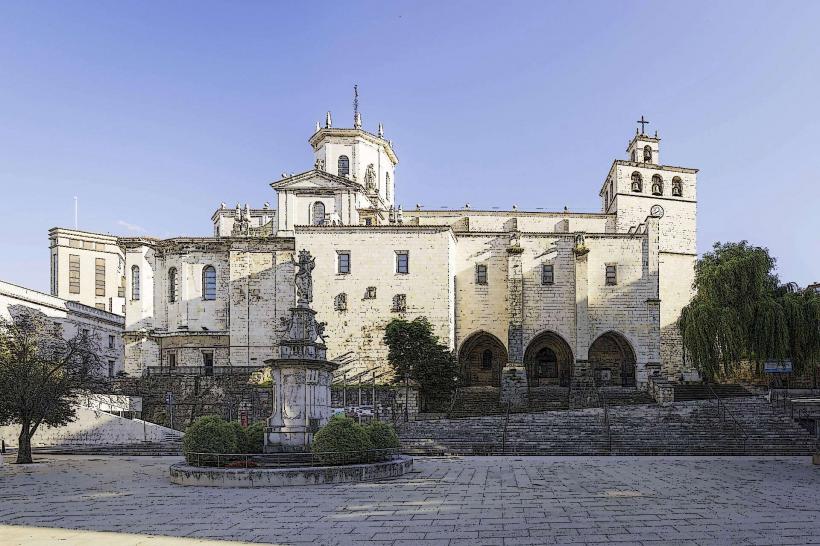
Santander Cathedral: 0.3km West
Palacete del Embarcadero: 0.2km Southeast
Plaza Porticada: 0.2km Northwest
Mercado del Este: 0.3km North