Information
Landmark: Palazzo Barbarigo della TerrazzaCity: Venice
Country: Italy
Continent: Europe
Palazzo Barbarigo della Terrazza, Venice, Italy, Europe
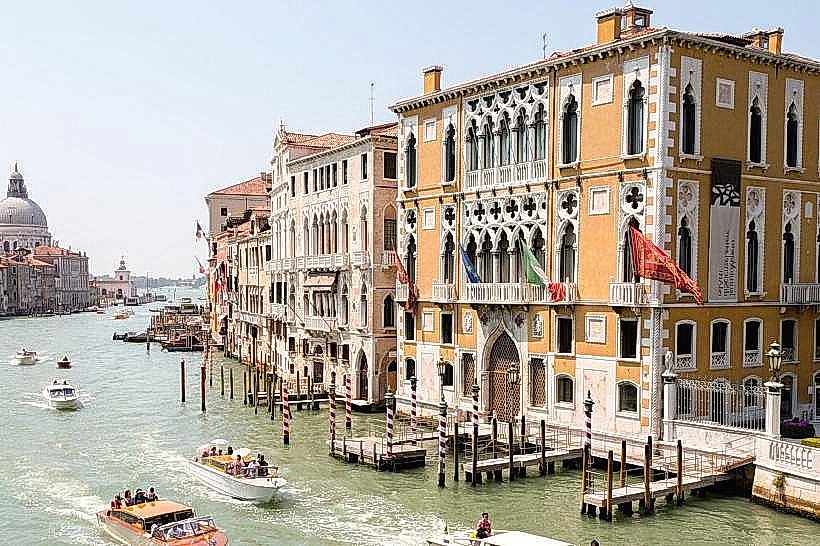
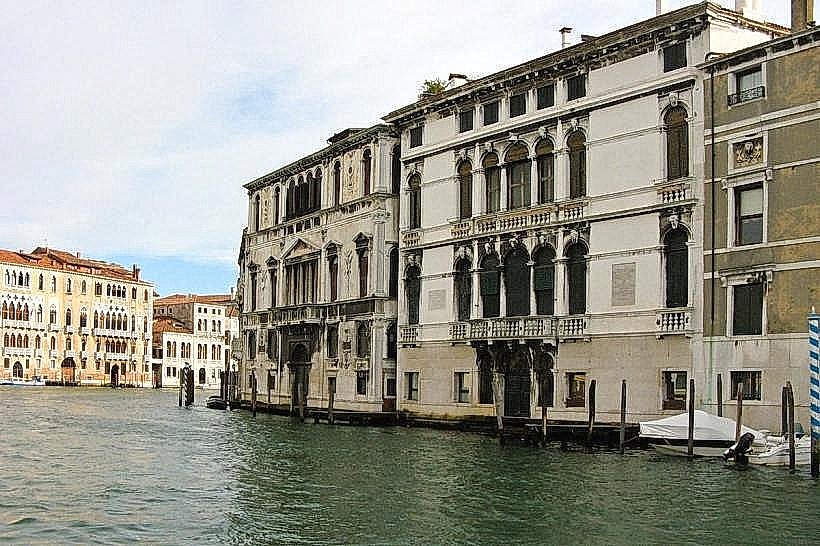
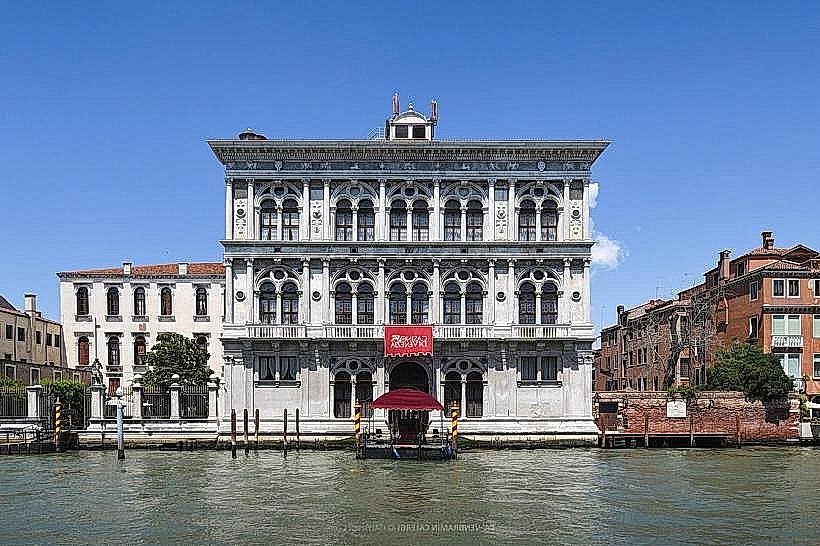
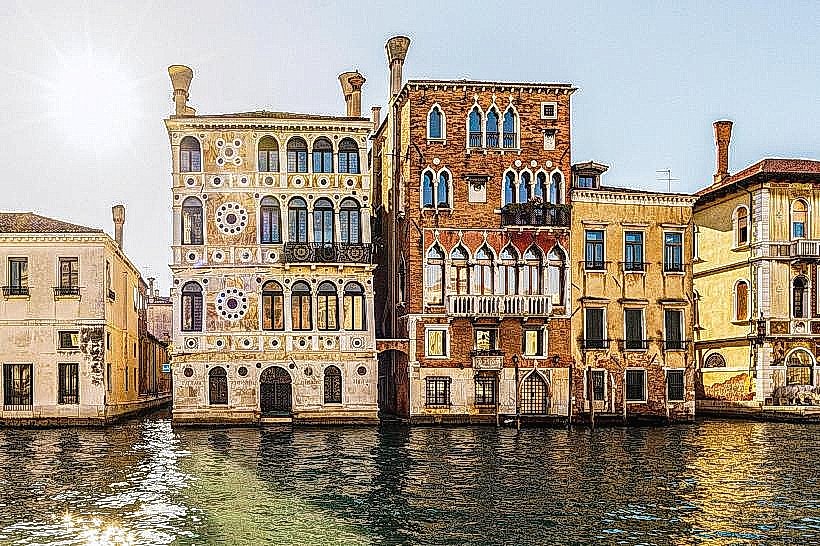
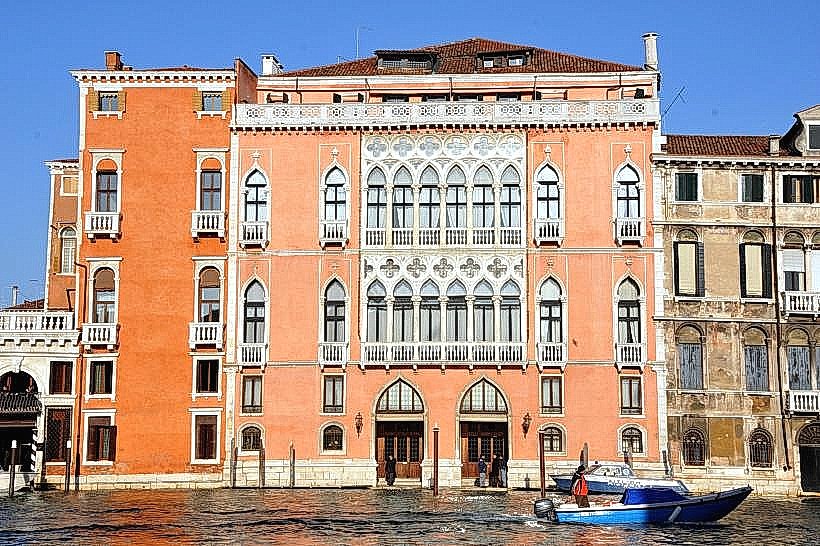
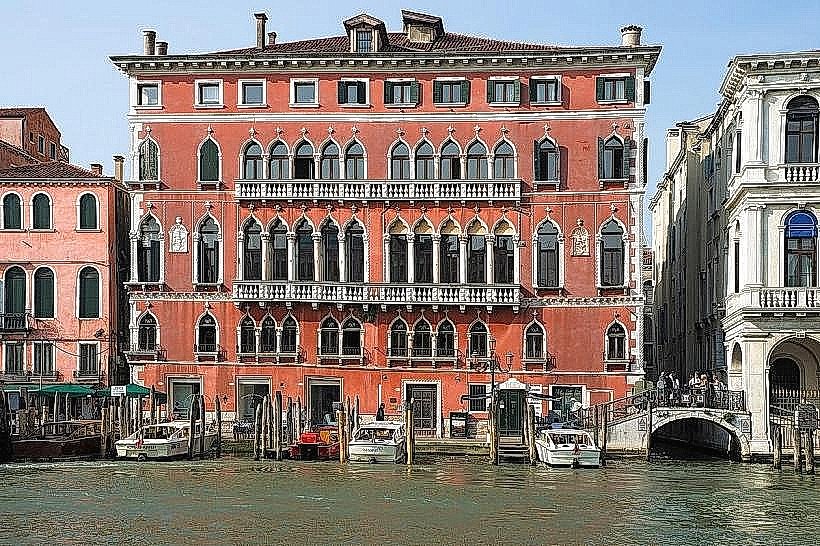
Situated along the Grand Canal in Venice’s Dorsoduro district, Palazzo Barbarigo della Terrazza is an elegant Renaissance-Baroque palace that stands out for its ornate façade, historical art collections, and canal-side terrace, which historically offered sweeping views of Venice’s waterways. The palace reflects both the status of the Barbarigo family and the city’s tradition of integrating noble residences with the vibrancy of the Grand Canal.
Historical Background
The Barbarigo family was one of Venice’s prominent patrician lineages, producing doges, diplomats, and influential political figures during the Renaissance and Baroque periods. The palace was constructed in the 17th century on the foundations of an earlier Gothic building and underwent renovations in the 18th century to align with contemporary tastes.
The name “della Terrazza” refers to the palace’s grand terrace, which historically served as both a social gathering space and a vantage point for observing canal traffic, civic events, and the movement of gondolas, emphasizing the interplay between private residence and public spectacle.
Architectural Features
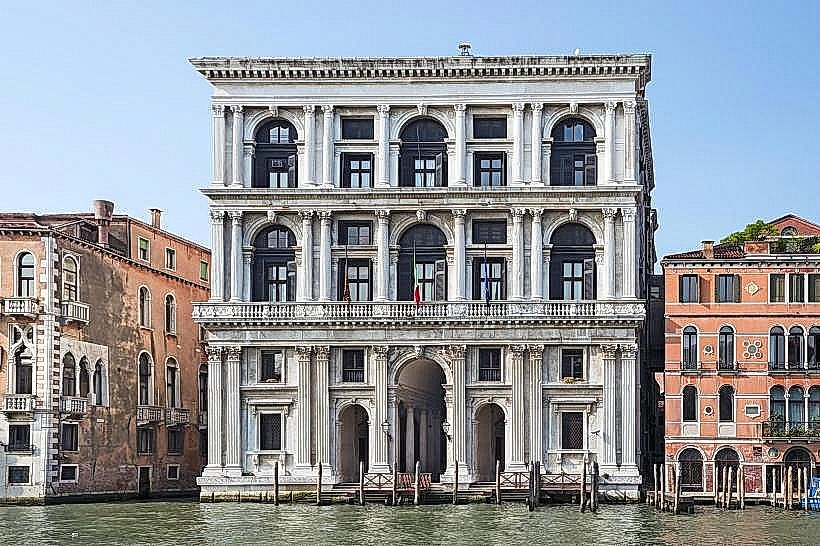
Façade: The palace presents a harmonious Renaissance façade with later Baroque embellishments. Large, arched windows punctuate the piano nobile, framed by decorative stonework, while the ground floor features a central water portal for canal access. The façade is adorned with sculpted cornices and subtle heraldic motifs of the Barbarigo family.
Terrace: A defining feature, the terrace overlooks the Grand Canal and provides both aesthetic appeal and functional space for gatherings. Its elevated position accentuates the palace’s prominence among neighboring structures.
Interior Layout: Although privately owned, historical descriptions indicate a piano nobile with richly decorated halls, high ceilings, and frescoes commissioned from Venetian artists of the Baroque period. Reception rooms were likely designed to impress visitors arriving by gondola.
Artistic and Cultural Significance
Palazzo Barbarigo della Terrazza reflects the Barbarigo family’s cultural patronage and Venice’s broader architectural evolution from Gothic verticality to Renaissance harmony and Baroque flourish. The terrace exemplifies the Venetian tradition of integrating private residences with the city’s waterways, turning the palace itself into a stage for social and civic life.
Historically, such palaces functioned as both family homes and symbols of prestige, hosting gatherings, celebrations, and intellectual salons. The combination of terrace views, canal façade, and internal decoration created a multi-sensory experience that highlighted the family’s wealth, taste, and civic involvement.
Visitor Experience
Visitors can best appreciate Palazzo Barbarigo della Terrazza from the Grand Canal, either by gondola or vaporetto, where the terrace and façade are visible in their full glory. The reflection in the water emphasizes the symmetry and elegance of the design, while the terrace adds a sense of openness that contrasts with the enclosed urban environment.
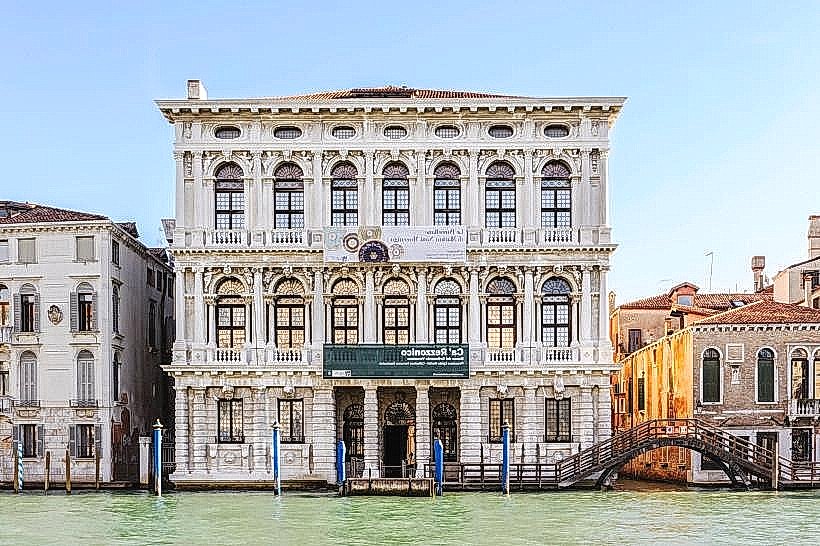
Although interiors are typically private, the palace’s position among other Dorsoduro landmarks-such as Ca’ Rezzonico and the Peggy Guggenheim Collection-allows visitors to contextualize its architectural and historical significance within the broader tapestry of Venetian canal palaces.
Legacy
Palazzo Barbarigo della Terrazza remains a symbol of Venetian aristocratic elegance, demonstrating how noble families integrated architecture, art, and social function along the Grand Canal. Its harmonious façade, sculptural detailing, and iconic terrace reflect the city’s Renaissance-Baroque transition and the enduring prestige of the Barbarigo family within Venice’s social and cultural history.
The palace continues to contribute to the visual and historical landscape of the Grand Canal, standing as a testament to the ways Venice’s patrician families combined beauty, functionality, and civic display in their urban residences.