Information
Landmark: Palmeraie of ToamasinaCity: Toamasina
Country: Madagascar
Continent: Africa
Palmeraie of Toamasina, Toamasina, Madagascar, Africa
The Palmeraie of Toamasina is an extensive agricultural area dominated by palm plantations, primarily coconut palms, situated on the northern outskirts of Toamasina, Madagascar. It serves as a significant source of coconut products and a notable natural landscape near the city.
Visual Characteristics
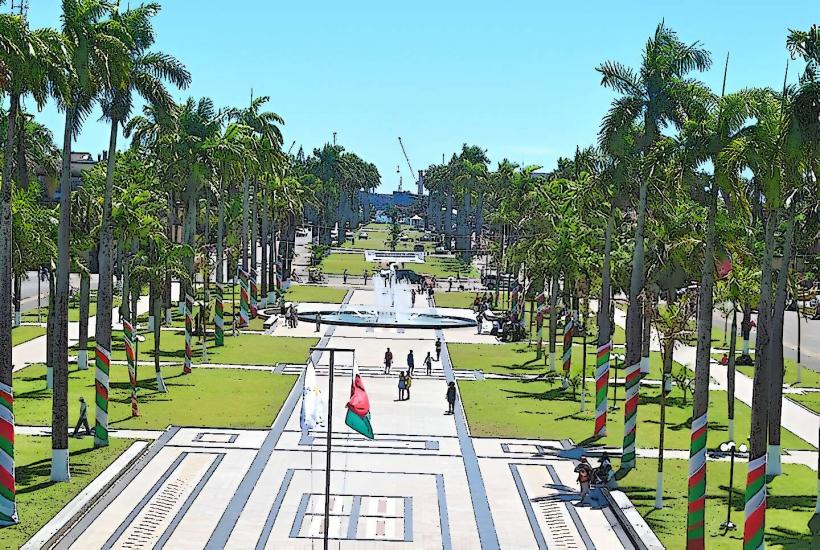
The Palmeraie is characterized by dense, uniform rows of tall palm trees, predominantly coconut palms, which can reach heights exceeding 25 meters. The canopy creates a shaded environment, with sandy soil underfoot. Interspersed among the palms are occasional smaller shrubs and cultivated plots, maintaining a largely green and brown color palette.
Location & Access Logistics
The Palmeraie is located approximately 5 to 10 kilometers north of Toamasina city center, extending along the coastal road. Access is primarily via the RN5 highway heading north from Toamasina. Limited informal parking is available along the roadside. Local taxi-brousses (shared taxis) and private taxis regularly travel this route, offering direct transport to various points within the palmeraie's vicinity.
Historical & Ecological Origin
The Palmeraie of Toamasina was established in the early 20th century, primarily for commercial coconut cultivation. It represents a large-scale agricultural development rather than a natural forest, designed to support the region's economy through the production of copra and other coconut-derived goods. The area is a cultivated ecosystem, managed for sustained yield.
Key Highlights & Activities
Visitors can engage in walking or cycling through the extensive palm groves. Observing local farmers harvesting coconuts and processing them into various products is a common activity. Photography of the vast palm landscapes is popular, particularly during sunrise or sunset. Some areas offer opportunities to purchase fresh coconuts and local snacks directly from vendors.
Infrastructure & Amenities
Formal infrastructure within the Palmeraie is minimal. Restrooms are not officially provided, though some informal facilities may be found near local settlements. Abundant natural shade is available under the palm canopy. Cell phone signal (4G) is generally reliable throughout the area. Small, informal stalls selling beverages and coconut-based products are present along the main access roads.
Best Time to Visit
The optimal time to visit is during the dry season, from April to November, to avoid heavy rainfall and high humidity. Early morning or late afternoon provides the best lighting conditions for photography, casting long shadows and reducing harsh glare. Visiting during cooler parts of the day enhances comfort for walking or cycling.
Facts & Legends
The Palmeraie is one of Madagascar's largest cultivated palm areas, playing a crucial role in the local economy. A practical tip for visitors is to negotiate prices for fresh coconuts or local crafts, as informal vendors expect bargaining. The sheer scale of the plantation creates a unique microclimate, often feeling cooler and breezier than the city center.
Nearby Landmarks
- Plage de Tanandava: 2.5km East
- Port of Toamasina: 4.5km South-West
- Bazar Be: 5km South
- Avenue de l'Indépendance: 4km South