Information
Landmark: Papohaku Beach ParkCity: Molokai
Country: USA Hawaii
Continent: North America
Papohaku Beach Park, Molokai, USA Hawaii, North America
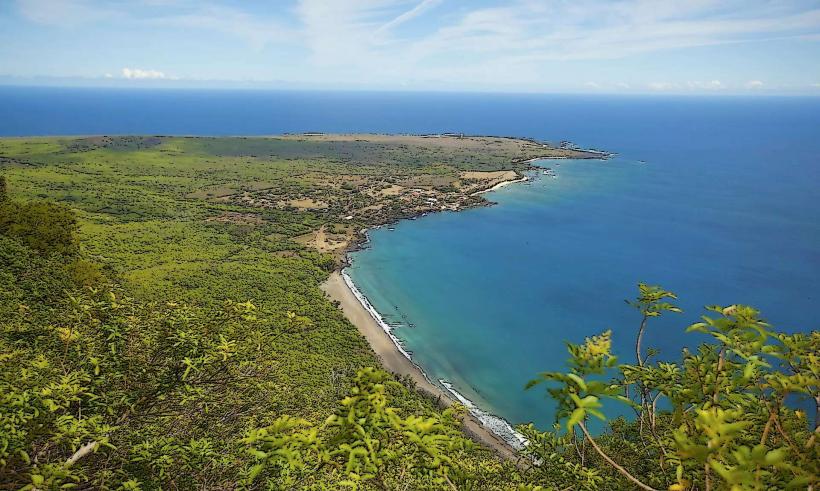
Papohaku Beach Park is a large public beach located on the western coast of Molokai, Hawaii, USA.
Visual Characteristics
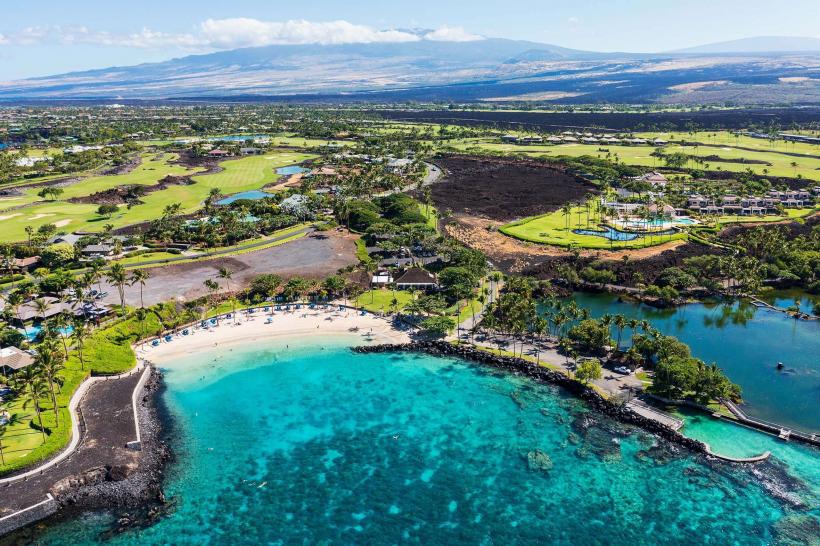
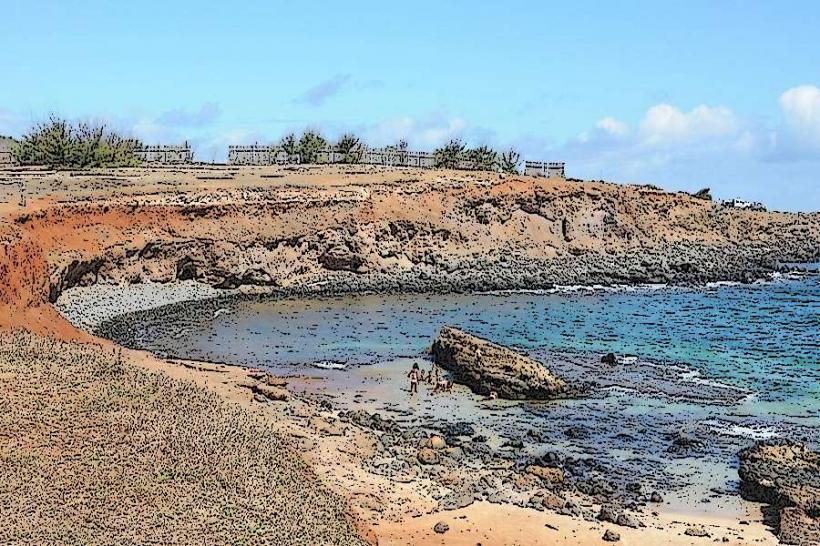
This beach features a wide expanse of light-colored sand, approximately three miles in length. The sand texture is fine to medium grain. The ocean water is typically a clear blue, with wave action varying based on seasonal conditions. Coastal vegetation consists of low-lying grasses and scattered ironwood trees providing limited shade.
Location & Access Logistics
Papohaku Beach Park is situated on the western tip of Molokai, approximately 10 miles west of Kaunakakai. Access is via Farrington Avenue, which transitions into a paved road leading directly to the park. Ample parking is available in designated lots adjacent to the beach. No public transport services operate directly to the park.
Historical & Ecological Origin
Papohaku Beach is a natural formation, part of the coastal erosion and deposition processes characteristic of the Hawaiian Islands. Its extensive sandy expanse is a result of sediment accumulation over geological time. The area is ecologically significant as a nesting ground for certain seabird species.
Key Highlights & Activities
Activities include sunbathing, beachcombing, and walking the length of the shoreline. Swimming is generally not recommended due to strong currents and large waves, particularly during winter months. Bodyboarding may be possible in calmer conditions. Photography is a common activity, especially during sunrise and sunset.
Infrastructure & Amenities
The park provides basic amenities including restrooms and picnic tables. Shade is limited to the scattered trees. Cell phone signal is generally weak to non-existent within the park. No food vendors are located within the park; visitors should bring their own provisions.
Best Time to Visit
The best time for photography is during the early morning or late afternoon for optimal lighting. The months of April through September generally offer calmer ocean conditions. High tide can reduce the visible beach area. Low tide exposes more of the sand and potential tide pools.
Facts & Legends
Local lore suggests that the beach was once a gathering place for Hawaiian royalty. A specific point of interest is the large rock formation at the southern end, known locally as "The Sleeping Giant."
Nearby Landmarks
- Kalaupapa National Historical Park (1.5km North)
- Kalaupapa Lookout (2.0km North)
- Molokai Museum and Cultural Center (9.0km East)
- Kaunakakai Harbor (10.0km East)