Information
Landmark: Kamakou PreserveCity: Molokai
Country: USA Hawaii
Continent: North America
Kamakou Preserve, Molokai, USA Hawaii, North America
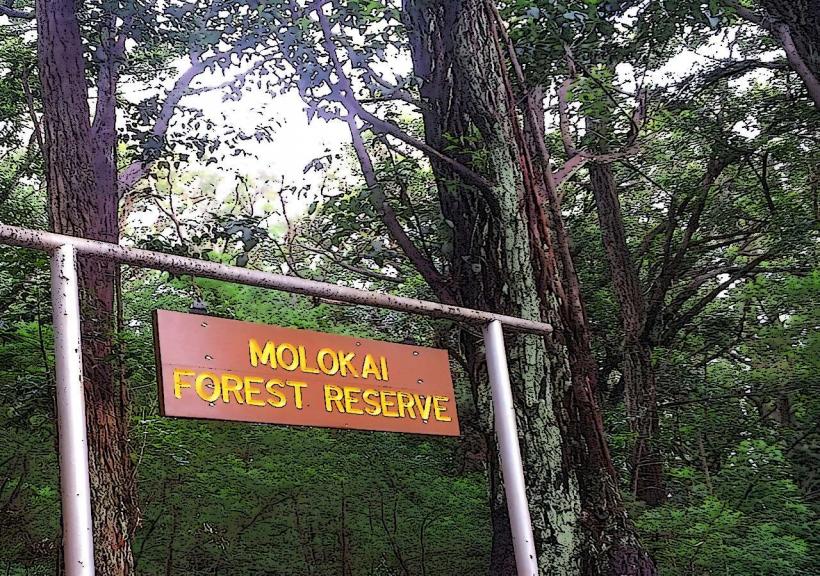
The Kamakou Preserve, located on the island of Moloka‘i, is one of Hawaii’s most biodiverse and ecologically significant areas. Managed by The Nature Conservancy, this 2,774-acre preserve protects some of the rarest native Hawaiian plants and animals, many of which are found nowhere else in the world. The preserve is situated on the slopes of Kamakou Mountain in the Moloka‘i Forest Reserve and offers a stunning example of Hawaii’s natural heritage and conservation efforts.
Key Features and Highlights
1. Ecological Importance:
- The Kamakou Preserve is a cloud forest, receiving consistent moisture from trade winds, which creates a lush, verdant environment.
- It is home to over 200 native Hawaiian plants, many of which are endemic and endangered. Some plants in the preserve are considered “living fossils,” dating back to ancient ecosystems.
- The preserve is also a critical habitat for native Hawaiian birds such as the 'apapane, 'amakihi, and the rare kāma‘o (Moloka‘i thrush), which was last seen in the 1980s and is believed to be extinct.
2. Flora and Fauna:
- Native Flora: The preserve features native ferns, mosses, and trees like the ohia lehua and koa, which dominate the landscape.
- Endangered Species: It is one of the last refuges for several endangered plant species, making it a priority for conservation.
- Insect Diversity: Unique insects, including Hawaiian damselflies and rare snails, thrive in this pristine environment.
3. Conservation Efforts:
- The Kamakou Preserve represents a critical effort to protect Hawaii’s fragile ecosystems from threats such as invasive species, habitat loss, and climate change.
- Ongoing projects include:
- Removing invasive plants like strawberry guava and kahili ginger that compete with native species.
- Protecting the preserve from feral pigs and goats, which can devastate native vegetation.
- Reforestation efforts to restore degraded areas with native plants.
4. Hiking and Exploration:
The preserve is a paradise for those seeking a remote and immersive experience in nature. Trails offer access to this unique environment:
Pepe‘opae Bog Trail:
- A must-visit trail in the preserve, this path leads to a rare high-altitude bog.
- The boardwalk trail protects the delicate ecosystem while allowing visitors to observe the unusual plants and mosses thriving in the bog.
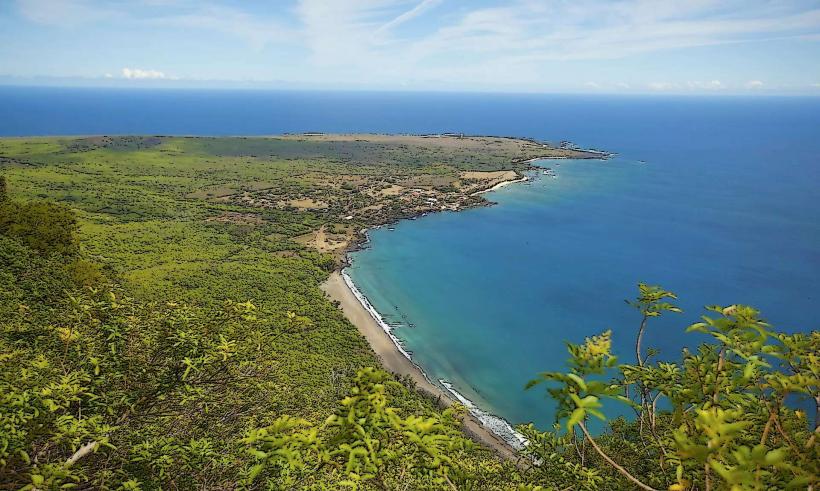
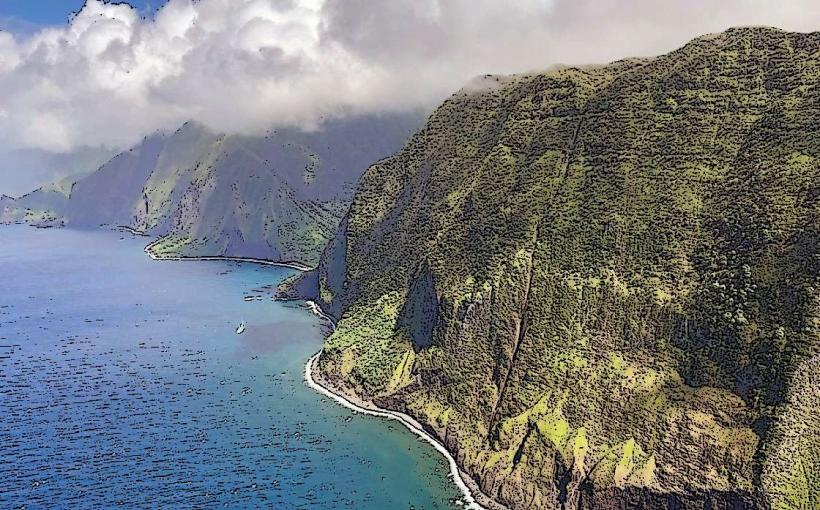
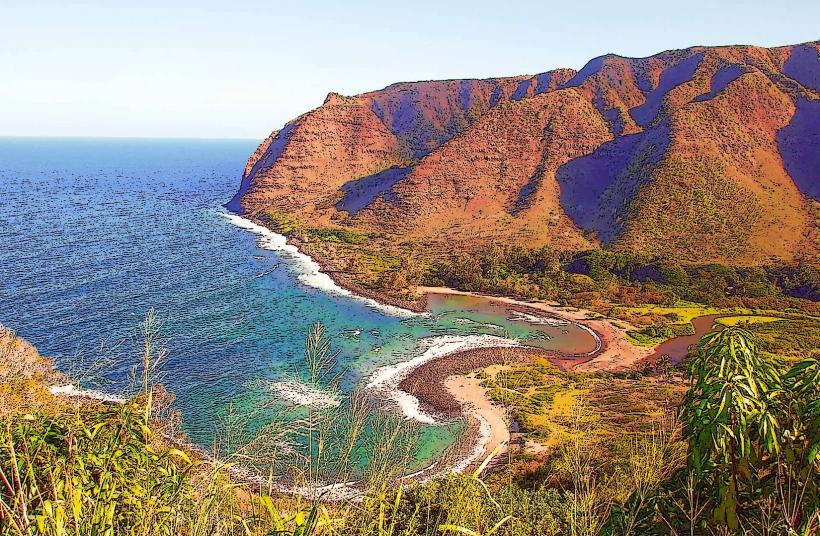
- Panoramic views of Moloka‘i’s valleys and coastline are a highlight.
Moloka‘i Forest Trails:
- Additional trails within the preserve take you through lush rainforests and ridgelines, offering opportunities to learn about the area's cultural and ecological significance.
5. Cultural Significance:
- Kamakou Mountain and its surrounding areas hold profound cultural importance for Native Hawaiians.
- The mountain is part of Hawaiian legends and was historically a resource for gathering materials like wood, medicinal plants, and food.
- Guided tours often incorporate traditional Hawaiian perspectives, enriching the visitor experience.
Practical Information
Access:
- The preserve is located on the eastern side of Moloka‘i, accessible by a rough and often muddy road. A 4WD vehicle is required.
- Guided Tours: The Nature Conservancy offers guided tours to the preserve, providing expert insights into the ecosystem and its importance.
What to Bring:
- Sturdy hiking shoes, rain gear, insect repellent, and plenty of water.
- A camera to capture the breathtaking views and unique species.
- Respect for the environment is critical; visitors are encouraged to practice Leave No Trace principles.
Permits:
- Access to some areas may require permits or prior arrangements with The Nature Conservancy.
Why Visit the Kamakou Preserve?
- Biodiversity: Witness one of the most ecologically diverse places in Hawaii.
- Conservation: Learn about the challenges and successes of preserving Hawaii’s natural heritage.
- Solitude: Experience the untouched beauty of Moloka‘i in a tranquil, remote setting.
- Cultural Connection: Gain insights into the island’s cultural and ecological importance through guided tours.
The Kamakou Preserve is more than just a place of beauty; it’s a living laboratory and a symbol of hope for Hawaii’s unique ecosystems. A visit here is an opportunity to connect with the island’s deep natural and cultural roots, making it a highlight for nature lovers and conservation enthusiasts alike.