Information
Landmark: Parque Metropolitano GuangüiltaguaCity: Quito
Country: Ecuador
Continent: South America
Parque Metropolitano Guangüiltagua, Quito, Ecuador, South America
Parque Metropolitano Guangüiltagua is a large urban park situated in Quito, Ecuador. It is one of the largest metropolitan parks in the Americas.
Visual Characteristics
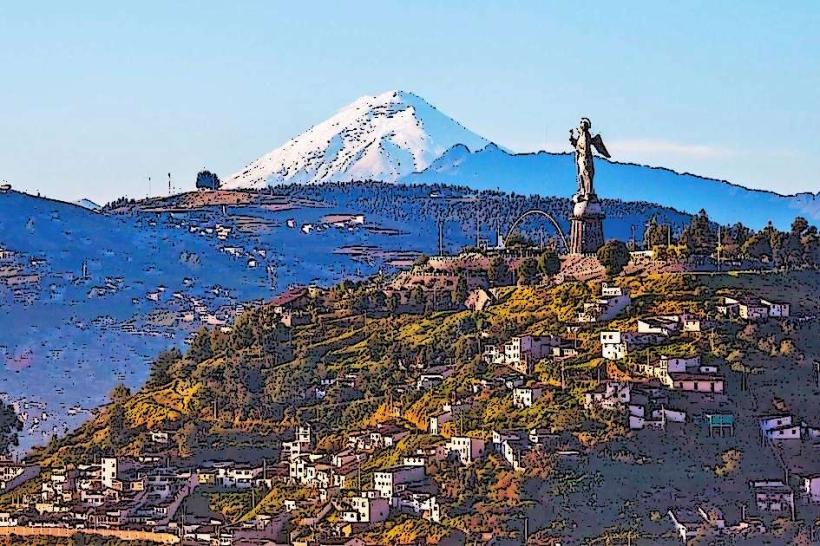
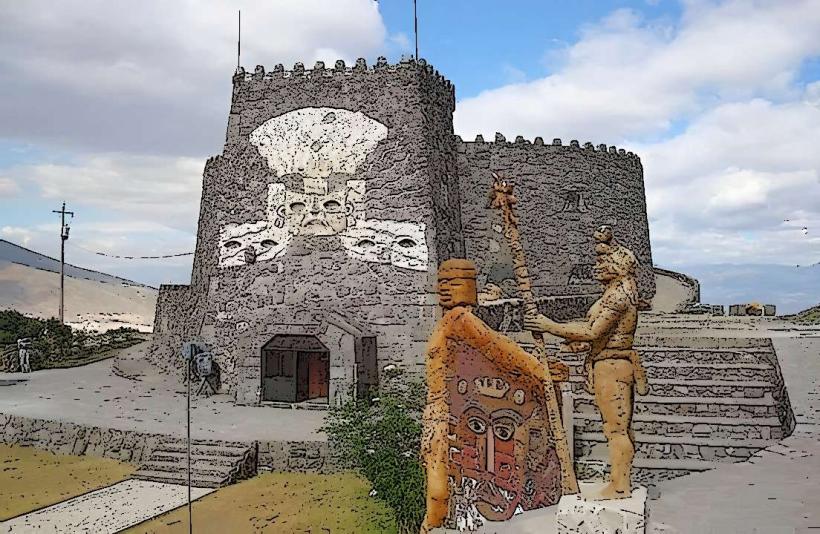
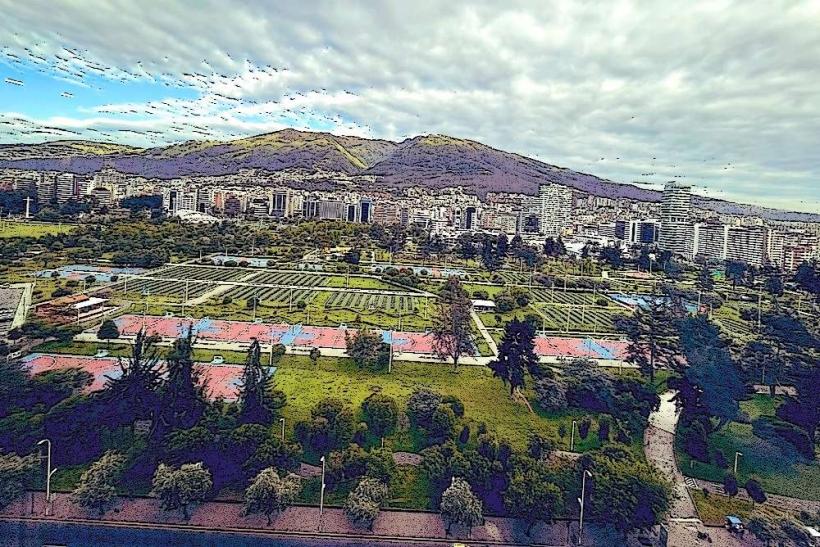
The park features extensive green spaces with varied topography, including hills and valleys. Vegetation consists primarily of native Andean flora, such as eucalyptus trees, various shrubs, and grasses. Several man-made structures, including observation points and pathways, are integrated into the landscape. The park offers panoramic views of the city and surrounding mountains.
Location & Access Logistics
The park is located in the northern sector of Quito, approximately 8 kilometers north of the city center. Access is primarily via Avenida de los Granados and Avenida de la Prensa. Several bus routes serve the vicinity, including lines 12, 14, and 21, with stops near the park entrances. Limited parking is available at designated points within the park, particularly near the main entrances. The park is accessible by taxi and ride-sharing services.
Historical & Ecological Origin
The park was established in 1987 as part of an initiative to preserve green spaces within the expanding urban area of Quito. Its ecological origin is rooted in the high-altitude Andean ecosystem, characterized by its unique plant and animal life adapted to the elevation and climate. The area was historically used for agriculture and grazing before its designation as a metropolitan park.
Key Highlights & Activities
Activities include hiking on marked trails, birdwatching, picnicking, and photography. The park contains several viewpoints offering city vistas. Cycling is permitted on designated paths. The park is also a habitat for various bird species, making it a site for ornithological observation.
Infrastructure & Amenities
Restrooms are available at key locations within the park. Shaded areas are provided by mature trees. Cell phone signal (4G/5G) is generally available throughout most of the park. There are no permanent food vendors within the park; visitors typically bring their own provisions.
Best Time to Visit
The best time of day for photography is generally in the morning or late afternoon when the light is softer and provides better contrast for city views. The dry season, from June to September, offers the most stable weather conditions. The park is accessible year-round, but rain is common during the wet season (October to May).
Facts & Legends
A specific tip for visitors is to wear appropriate footwear for uneven terrain, as some trails can be steep. The park is known for its population of Andean condors, though sightings are infrequent.
Nearby Landmarks
- Parque La Carolina (2.5km South)
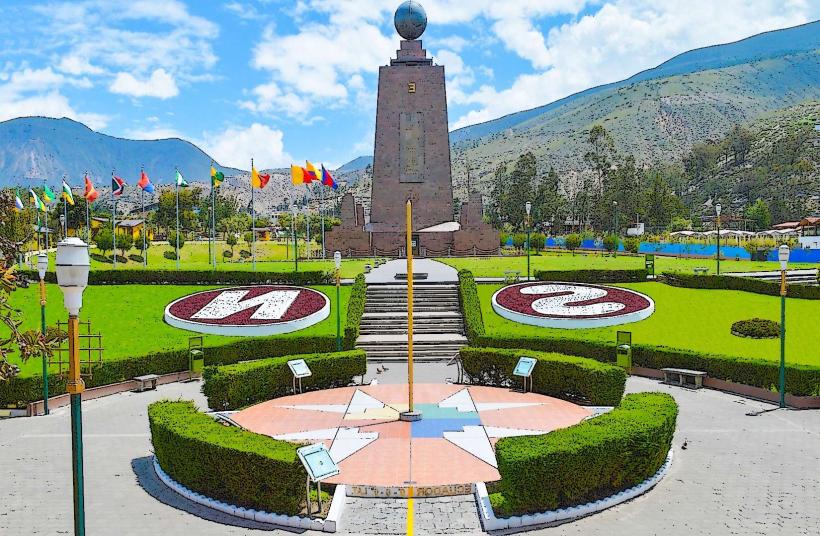
- Mitad del Mundo Monument (10km Northwest)
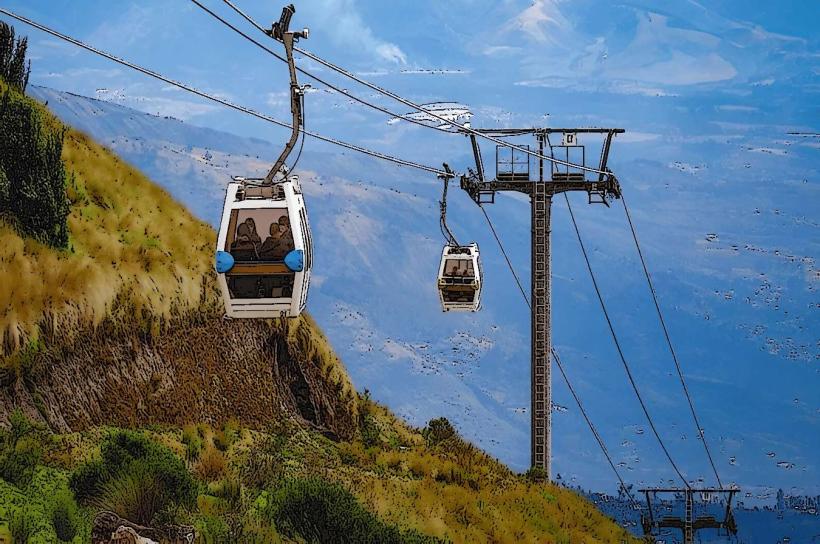
- TelefériQo Quito (3km Southwest)
- Quito Botanical Garden (2.8km South)