Information
Landmark: Teleférico de QuitoCity: Quito
Country: Ecuador
Continent: South America
Teleférico de Quito, Quito, Ecuador, South America
The Teleférico de Quito is a cable car system that ascends the western flank of the Pichincha Volcano in Quito, Ecuador.
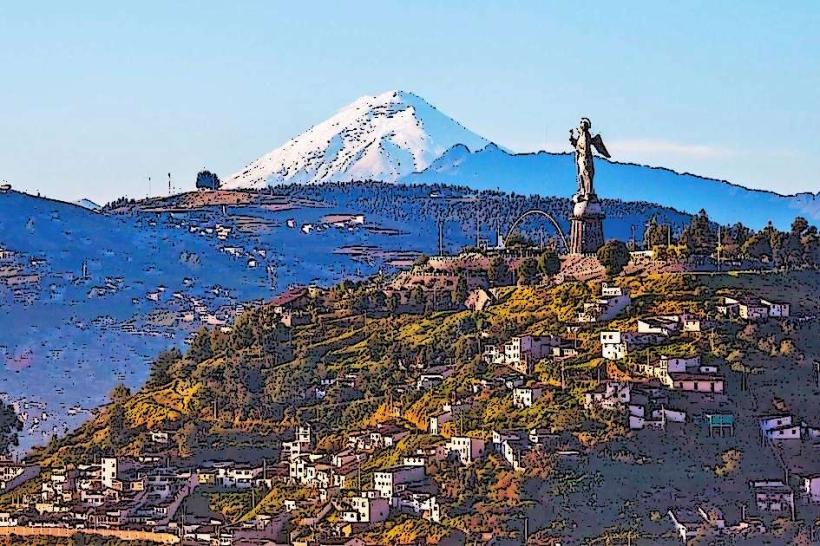
It provides access to high-altitude viewpoints overlooking the city and surrounding Andean landscape.
Visual Characteristics
The cable car cabins are enclosed gondolas, typically white with blue accents. The pylons supporting the cable are constructed from steel. At the upper station, the architecture is functional, featuring concrete and glass elements designed to withstand high-altitude conditions. The surrounding terrain consists of volcanic rock scree and sparse high-altitude vegetation.
Location & Access Logistics
The base station is located at 3,140 meters (10,302 feet) above sea level, accessible via the Mariscal Sucre International Airport access road (Ruta E35), approximately 4 kilometers (2.5 miles) west of the northern Quito metropolitan area. Public transport options include local bus routes that terminate near the access road, requiring a short walk or taxi to the base station. Ample parking is available at the base station for private vehicles.
Historical & Ecological Origin
Construction of the Teleférico began in the early 2000s, with operations commencing in 2005. The project was designed to leverage the natural topography for tourism and recreation. The Pichincha Volcano is an active stratovolcano, and the area is part of the Eastern Cordillera of the Andes, characterized by its volcanic geology and páramo ecosystem.
Key Highlights & Activities
Ascend to the upper station at 3,947 meters (12,950 feet) for panoramic views. Hike designated trails at the summit, such as the Rucu Pichincha trail (requires significant acclimatization and fitness). Observe the city's layout and the surrounding volcanic peaks. Photography is a primary activity due to the expansive vistas.
Infrastructure & Amenities
The base station includes ticketing facilities, restrooms, and a small cafe. The upper station offers limited seating and basic shelter. Cell phone signal (4G/5G) is generally available at the base station and intermittently at the upper station. No food vendors are present on the trails or at the upper station; visitors should carry provisions.
Best Time to Visit
The best time of day for photography is generally mid-morning or late afternoon when the sun angle provides optimal lighting on the city and mountains. The dry season, from June to September, offers clearer skies. Visits are best made on days with minimal cloud cover. The Teleférico operates year-round, weather permitting.
Facts & Legends
The Teleférico is one of the highest cable car systems in the world, offering access to altitudes that can cause altitude sickness in unprepared individuals. Visitors are advised to acclimatize in Quito for at least 24-48 hours before ascending. A local legend suggests that the spirits of ancient Incan warriors guard the volcano's summit.
Nearby Landmarks
- Rucu Pichincha Summit (0.5km North - Hiking Trail)
- Guagua Pichincha Volcano (5km Southwest - Hiking/Climbing)
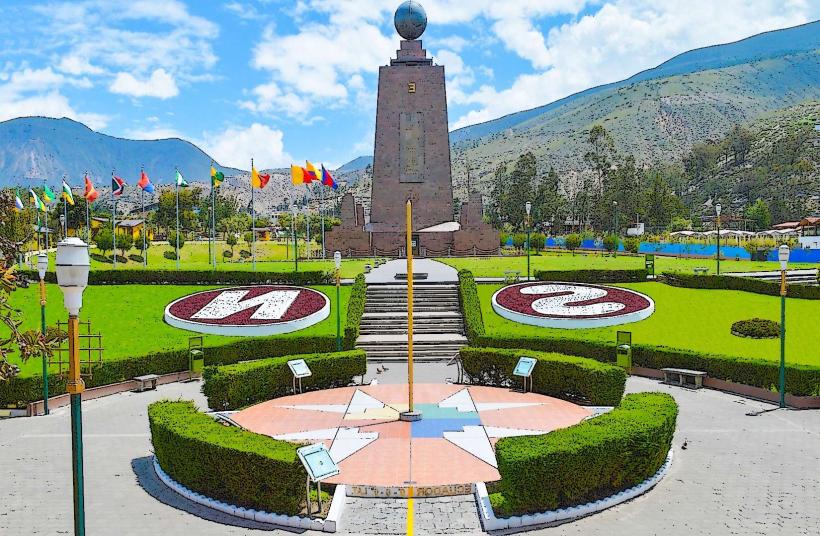
- Mitad del Mundo (15km Northwest - Monument/Museum)
- La Carolina Park (7km Southeast - Urban Park)
- Quito Historic Center (10km Southeast - UNESCO World Heritage Site)