Information
Landmark: Parque Nacional de Bahía de NaranjoCity: Holguin
Country: Cuba
Continent: North America
Parque Nacional de Bahía de Naranjo, Holguin, Cuba, North America
Overview
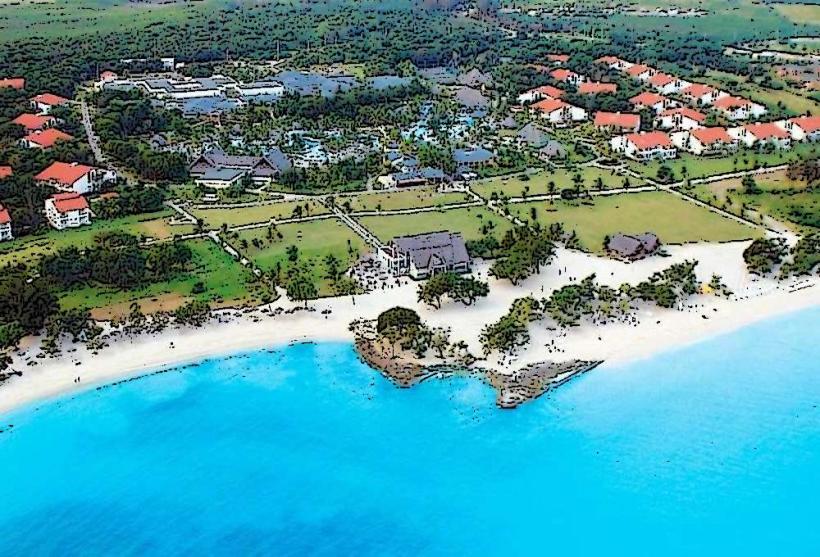
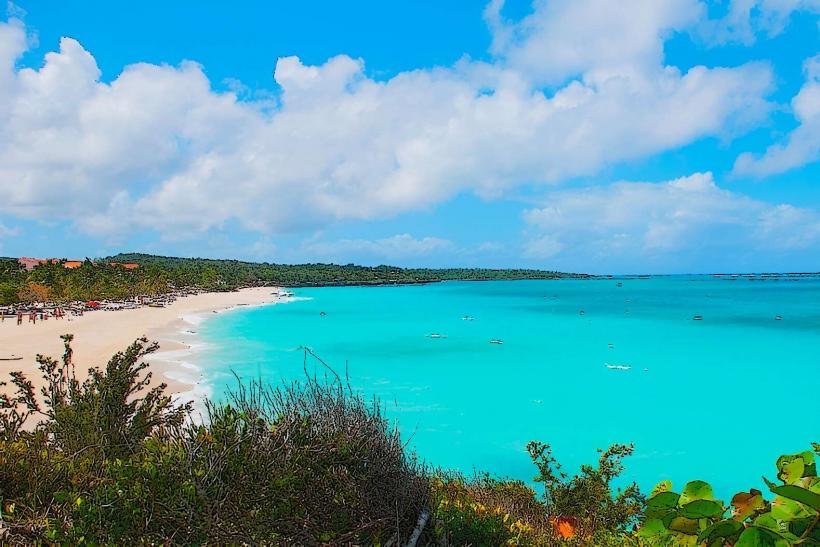
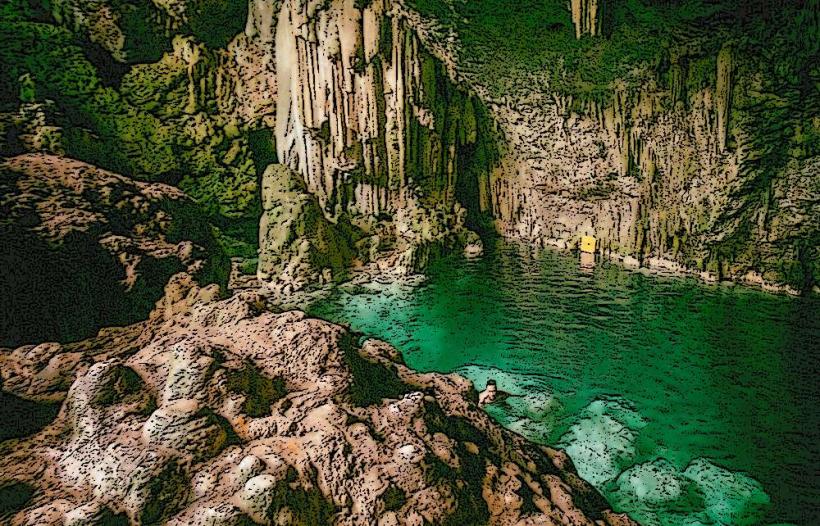
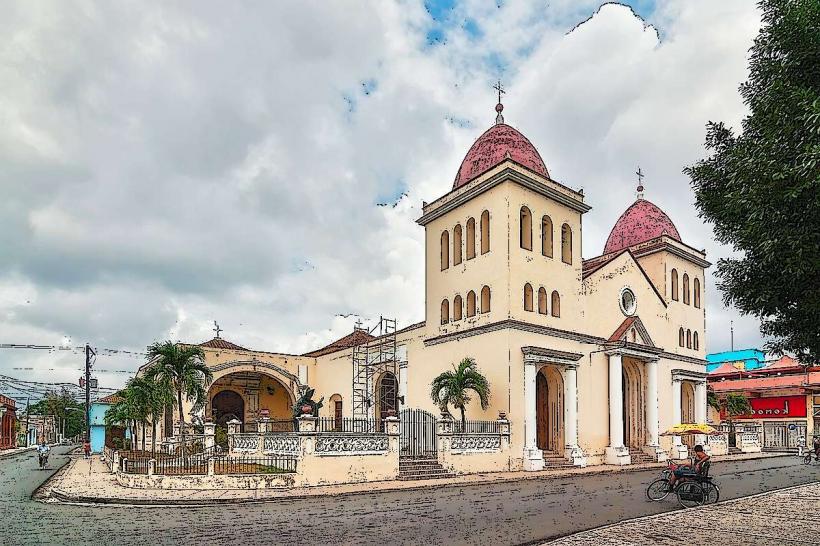
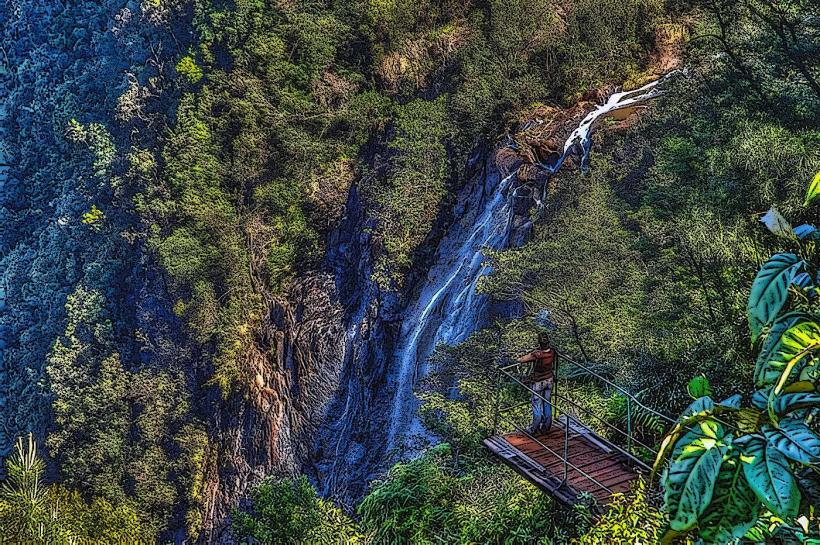
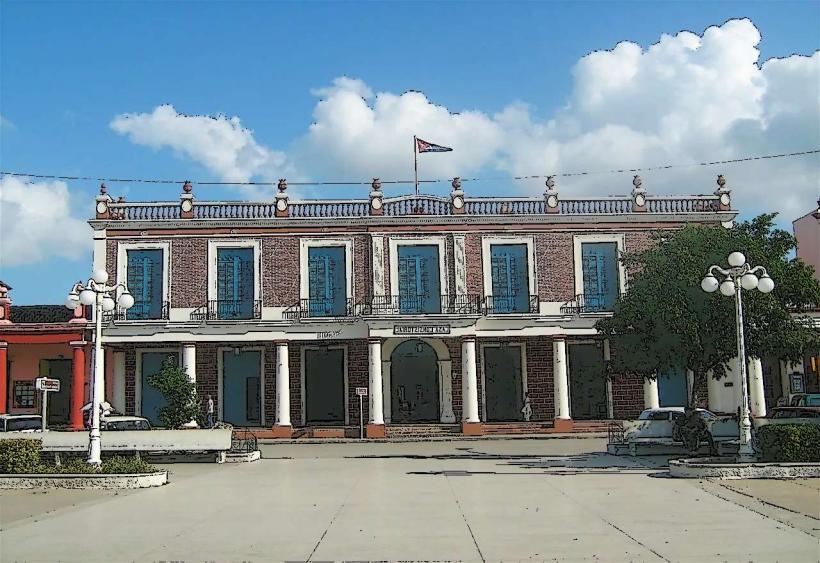
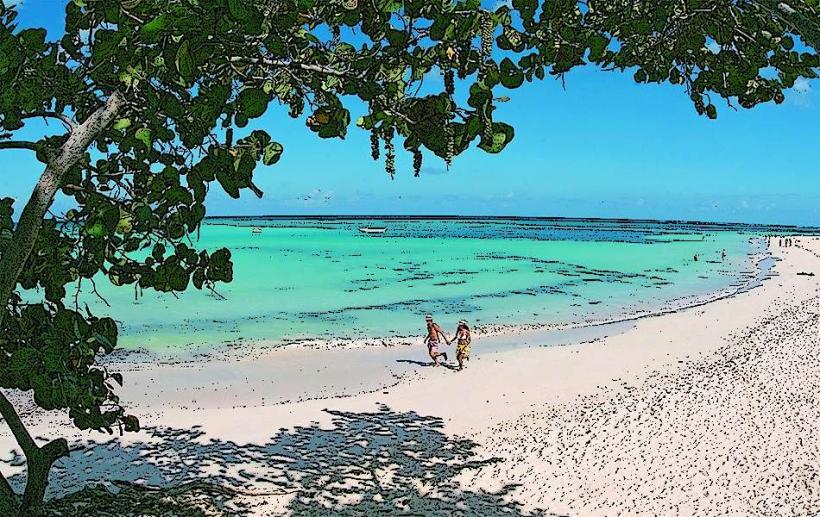
In Holguín Province, Cuba, Parque Nacional de Bahía de Naranjo dazzles with its dazzling turquoise waters, sweeping mangroves, and a remarkable mix of wildlife, furthermore the park offers lush tropical forests where leaves whisper in the breeze, vibrant coral reefs teeming with fish, and sunlit beaches, drawing both nature lovers and thrill seekers from far and wide.Here’s your detailed guide to Parque Nacional de Bahía de Naranjo, tucked away in Cuba’s Holguín Province and just a short 10–15 kilometer drive from the white sands of Guardalavaca’s bustling town center, and you can reach it quickly by car, taxi, or public transport from nearby resorts and towns, and the park runs along Cuba’s northern coast, embracing the Bay of Naranjo-famous for its calm, glassy waters and colorful marine life.At its heart, the bay dazzles with pale sandy beaches and a ring of lush green that leans toward the shore, while the bay’s shallow waters are ideal for swimming, kayaking, or boating, and beneath the surface, radiant coral reefs teem with fish, offering some of Cuba’s best spots for snorkeling and diving.It seems, These reefs shelter an incredible mix of fish, drawing snorkelers and scuba divers from all over, after that while drifting through the clear water, you might spot a flash of yellow from a tang, a gradual-moving sea turtle, or the soft sway of a sponge.The park itself teems with life, both in the water and across its lush, vibrant landscape, simultaneously visitors can wander through lush tropical forests, tangled mangroves, and salt-scented coastal plants that shelter a variety of creatures, from vivid-feathered native birds to sunbathing iguanas and quick, darting mammals.Birdwatchers flock to the park for its wide variety of birds, from luminous red cardinals to graceful herons, also just beyond the trails, golden beaches curve along calm, glassy water-perfect for stretching out in the sun or taking a leisurely, cooling swim, in some ways The beaches here tend to be quieter than those in nearby tourist spots, with soft waves and plenty of space to stretch out, as well as within the park, you’ll find places like Playa de Naranjo and Playa Guardalavaca-though Guardalavaca draws more visitors outside the park.Just offshore lies Cayo Bariay, a minute island where Christopher Columbus first set foot in Cuba in 1492, now prized for its untouched sands, crystal-clear water, and winding mangrove forests, consequently tucked away from the crowds, it offers a quiet, untouched setting-ideal for anyone craving peace and a closer bond with nature.In the Bay of Naranjo, dazzling coral reefs draw snorkelers and divers eager to slip into the clear, salt-scented water, not only that visitors can snorkel or dive beneath the waves, gliding past schools of dazzling fish to explore the vibrant marine world and its hidden reefs, in a sense The bay’s waters are so clear you can spot fish gliding beneath the surface, and their calm makes it perfect for boating or paddling a kayak in the Bay of Naranjo, in turn you can rent a kayak, hop in a minute boat, or join a guided tour to explore the bay and its quiet coves nearby.Hiking the park’s trails lets you behold it from a fresh angle while soaking in its natural beauty, at the same time you can wander through shady mangroves, cross sandy coastal paths, and take in the lush tropical landscapes along the way.Believe it or not, On these walks, you can spot everything from vivid green lizards basking on sunlit rocks to flocks of colorful birds darting through the trees, and birdwatching takes center stage thanks to the park’s rich variety of feathered residents, subsequently you might catch sight of native Cuban birds-flamingos wading in the shallows, herons standing like statues, and pelicans gliding low over the water, for the most part The park shelters Cuban iguanas, often spotted soaking up the sun on warm rocks or tangled tree limbs, and Cayo Bariay’s rich past draws history lovers eager to explore Cuba’s story, therefore visitors can discover the story of Columbus’s arrival in Cuba and stand beside the weathered stone marker that marks the spot.Just down the road in Guardalavaca, they’ll find museums, graceful colonial buildings, and bustling markets rich with the scent of ripe mangoes, therefore nearby, Parque Nacional de Bahía de Naranjo safeguards a wide stretch of coast and the vibrant marine life that thrives there.Parque Nacional de Bahía de Naranjo is part of Cuba’s National System of Protected Areas, created to safeguard the island’s wild landscapes and rich biodiversity, what’s more just offshore, sparkling coral reefs shelter schools of fish and help shield the coast from erosion.For the best experience, visit in the dry season from November to April, when the air feels warm but not heavy and days are perfect for hiking or snorkeling, then summer, from May to October, brings more heat, humidity, and rain-and the risk of hurricanes.It seems, Pack swimwear, towels, and sunscreen for the beach, along with snorkel gear if you want to explore underwater (some operators rent equipment), then bring sturdy shoes for nature trails, insect repellent for mosquito-prone mangroves, and a camera to catch the park’s vivid blues and greens.Facilities are simple-think picnic tables, a few beachfront restaurants, and tiny shops, as a result in the park’s more remote areas, you might find few amenities-so pack what you’ll need for the day, even just extra water and snacks.If I’m being honest, For a destination to stay, choose from hotels or resorts in Guardalavaca or the nearby towns, not only that and if you want to get more out of your visit, join a guided tour, slightly As far as I can tell, Local guides share stories about the area’s history, point out rare birds rustling in the mangroves, and explain the delicate balance of its ecosystems, turning your visit into a richer experience, simultaneously parque Nacional de Bahía de Naranjo is a vibrant, diverse stretch of Cuba’s coast where you can explore marine life up close, hike forest trails, snorkel in clear waters, and watch pelicans glide across the bay.You can stretch out on the warm sand, swim among flashes of glowing coral and darting fish, or wander through green, tangled jungle trails-the park is a quiet retreat deep in nature, while with its lush wildlife, deep-rooted history, and striking scenery, it’s one of Holguín Province’s must-detect spots-ideal for nature lovers and those craving a bit of adventure.
Author: Tourist Landmarks
Date: 2025-09-11