Information
Landmark: Perak MuseumCity: Taiping
Country: Malaysia
Continent: Asia
Perak Museum, Taiping, Malaysia, Asia
Perak Museum (Muzium Perak) is one of Malaysia’s oldest and most important museums, located in Ipoh, the capital city of the state of Perak. The museum is a treasure trove of historical, cultural, and natural exhibits, offering visitors a comprehensive look at the state's rich history, diverse culture, and natural heritage.
History of Perak Museum
Established in 1926: The Perak Museum was officially opened in 1926 during the British colonial period. It was set up with the aim of preserving and displaying the cultural, historical, and natural heritage of the state.
Architectural Heritage: The museum building itself is an important example of colonial-era architecture. It was designed in the neo-classical style, with large columns and a spacious structure, symbolizing the grandeur of the time. The museum is housed in a former colonial building that originally served as a government office, making it an integral part of the state's history.
Exhibits and Collections
1. Archaeological and Historical Exhibits
- The museum has an extensive archaeological collection showcasing artifacts from ancient times, including prehistoric tools, pottery, and stone implements. These items provide insights into the early human settlements in the Perak River Valley and the Malay Peninsula.
- The historical exhibits include displays of Perak’s royal history, the state's involvement in tin mining, and the colonial period. The museum also holds artifacts related to the Sultanate of Perak, including royal regalia and heirlooms.
2. Natural History Section
- One of the museum's highlights is its natural history section, which focuses on the state's rich biodiversity. This section features a variety of taxidermied animals such as tigers, elephants, and birds. The natural history exhibits also include displays about the flora and fauna of Perak, showcasing the diverse ecosystems of the Belum Rainforest and other key natural reserves in the state.
3. Cultural and Ethnographic Exhibits
- The museum features displays on the diverse ethnic groups of Perak, such as the Malay, Chinese, Indian, and Indigenous communities. Visitors can learn about the cultural practices, traditional clothing, and daily life of these communities.
- The museum also has a collection of traditional crafts, including Malay weaponry like kris, Chinese porcelain, and Indian textiles.
4. Tin Mining History
- Given Perak's importance as a major tin-producing state in Malaysia, the museum has an entire section dedicated to the history of tin mining in the region. This includes models, tools, and photographs that illustrate the significance of tin mining to Perak’s economy during the British colonial era.
5. Ethnographic Displays of Traditional Weapons
- The museum also displays a variety of traditional weapons used by the people of Perak, including keris (daggers), spears, and swords. These weapons reflect the region’s history of warfare and its rich martial traditions.
Key Features and Highlights
1. The Museum Building
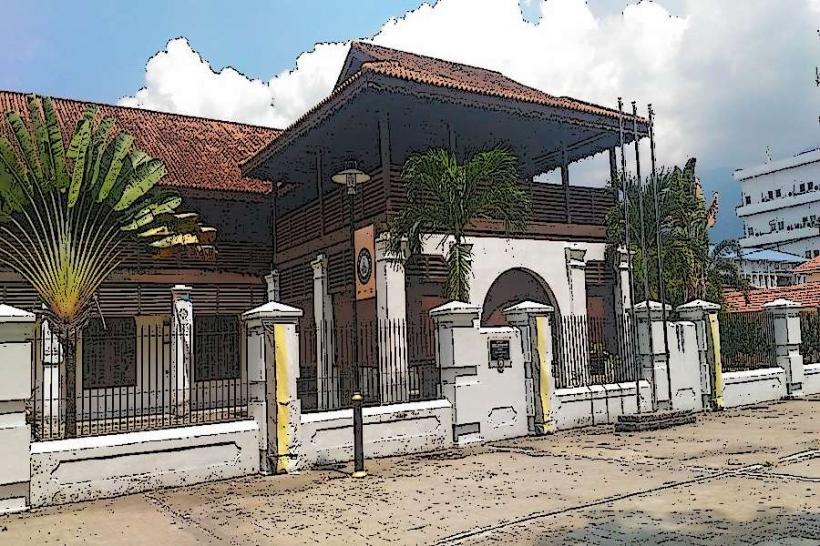
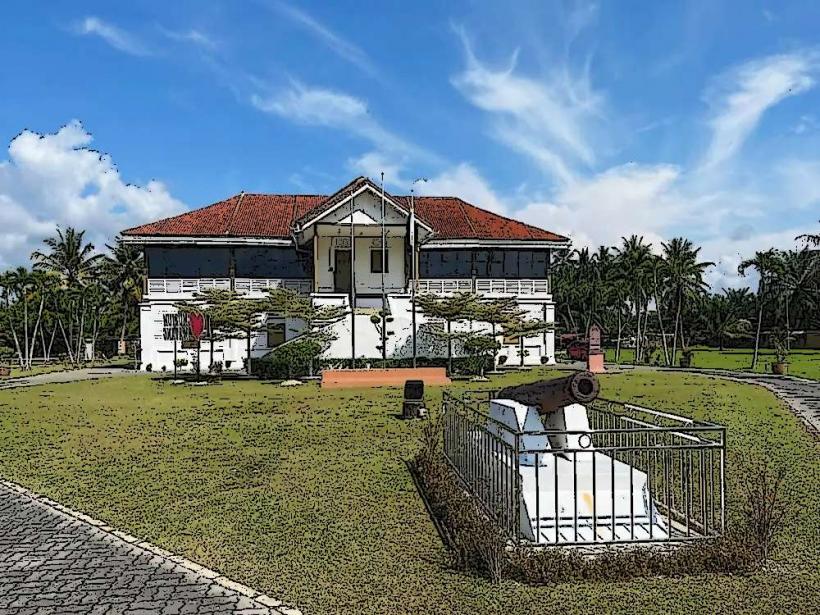
- The Perak Museum building itself is an architectural gem, with its white-painted, columned façade and Victorian-era design. The building’s grandeur gives visitors a glimpse into the colonial era when it was built to reflect the British presence in the region.
2. The Gardens
- The museum is surrounded by beautifully landscaped gardens that include various tropical plants and trees. The outdoor spaces offer a peaceful atmosphere, perfect for relaxing after exploring the museum’s exhibits.
3. The Perak Sultanate Gallery
- The Perak Sultanate Gallery showcases the history and regalia of the Sultans of Perak. It includes displays of royal robes, crowns, ceremonial items, and portraits of the rulers. The collection tells the story of the Sultanate of Perak, which has been an important institution in the state’s history.
4. The Fossil Collection
- One of the more unique collections in the museum is its fossil display, which includes remains of prehistoric animals and plants that were found in the region. These fossils offer insights into the ancient history of Perak and the surrounding areas.
Visiting the Museum
Location
- The Perak Museum is located in the heart of Ipoh, near Amanjaya Mall, and is easily accessible by car or public transport. It’s situated in a historically significant area of the city, surrounded by other landmarks such as the Ipoh Railway Station and Ipoh Town Hall.
Opening Hours
- The museum is typically open daily, from 9:00 AM to 5:00 PM. It is closed on Mondays and public holidays. However, visitors are encouraged to check in advance as hours may vary, especially during special events or local holidays.
Admission Fees
- Entrance fees are generally affordable, with a nominal fee for both locals and foreign tourists. Special group rates and discounts for students may also be available.
Why Visit the Perak Museum?
Historical and Cultural Insight: The museum offers a deep dive into Perak's rich history, from its early civilizations to its role in the tin mining industry and the Sultanate's legacy. It provides a comprehensive understanding of the state’s diverse cultural and natural heritage.
Family-Friendly: With a wide range of exhibits, including animal displays, cultural artifacts, and historical relics, the museum is a great destination for families and school groups.
Educational Value: The museum offers educational experiences for those interested in Malaysian history, archaeology, and ethnography. It serves as an important educational resource for both locals and international visitors.
Conclusion
The Perak Museum is a must-visit destination for those interested in exploring the history, culture, and natural heritage of Perak. With its wide range of exhibits, including historical artifacts, cultural displays, and natural history collections, the museum offers something for everyone. Its colonial-era architecture, beautiful surroundings, and educational offerings make it one of the key landmarks in Ipoh and a valuable cultural resource for the state of Perak.