Information
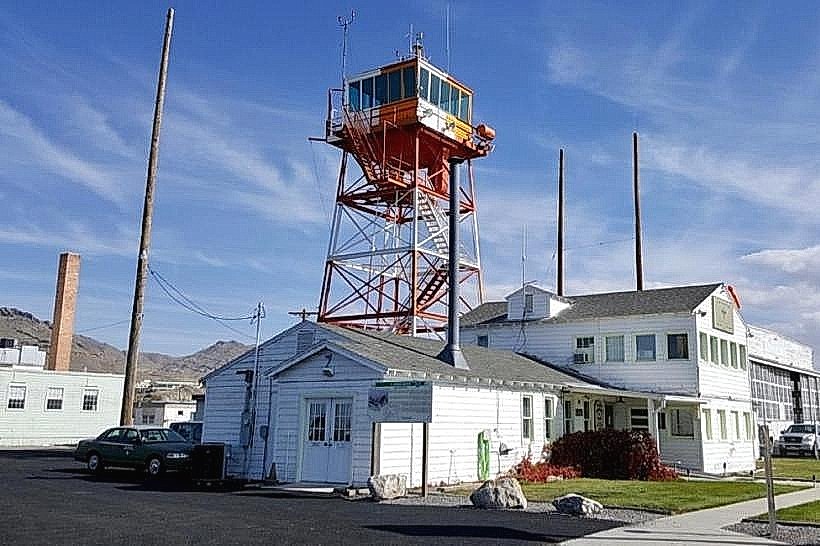
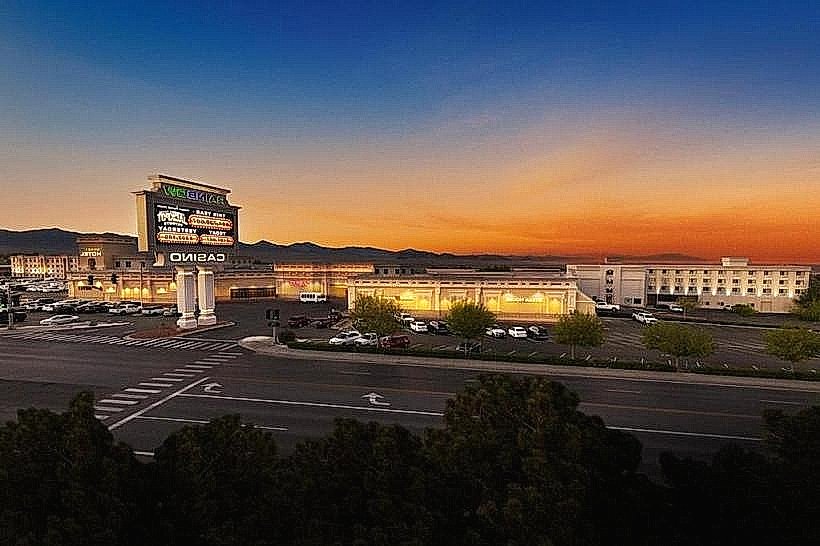
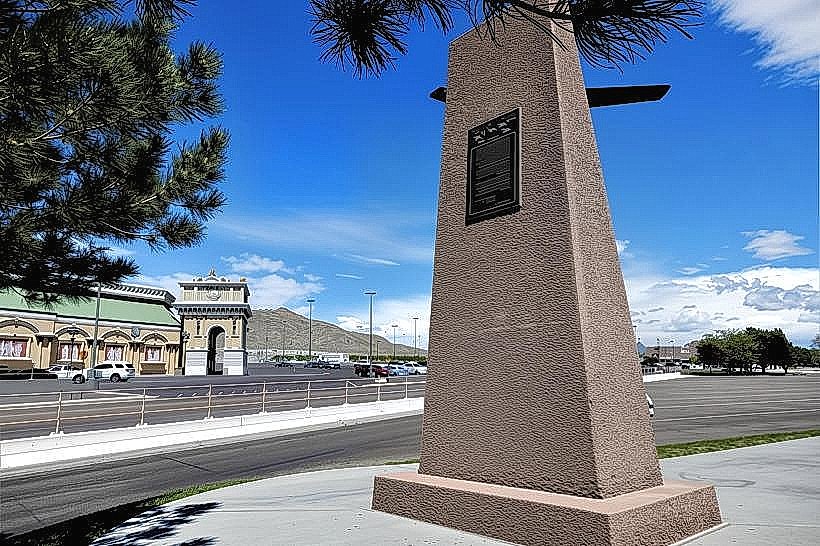
Landmark: Pilot PeakCity: West Wendover
Country: USA Nevada
Continent: North America
Pilot Peak, West Wendover, USA Nevada, North America
The Slaughter Pen Trail System is a network of mountain biking trails located in Bentonville, Arkansas. It offers a variety of terrain suitable for different skill levels.
Visual Characteristics
The trails traverse a mixed forest environment characterized by deciduous trees, including oak and hickory. The terrain features natural rock formations, dirt paths, and constructed wooden features such as berms, jumps, and bridges. Trail surfaces vary from packed earth to loose gravel and exposed rock sections. Elevation changes are moderate, with some steeper inclines and descents.
Location & Access Logistics
The primary access point is located at the intersection of NW 10th Street and NW A Street in Bentonville, Arkansas. This is approximately 1.5km west of the Bentonville city center. Ample parking is available at the main trailhead. Public transportation options are limited; the nearest bus stops are several kilometers away, requiring a significant walk or alternative transport to reach the trailheads.
Historical & Ecological Origin
The trail system was developed on land historically used for agriculture and later as a natural area. The trails were designed and constructed starting in the early 2000s, with significant expansion and professional design input in subsequent years. The area's ecology is representative of the Ozark Highlands, featuring a diverse range of flora and fauna.
Key Highlights & Activities
Activities include mountain biking across multiple interconnected trails. Specific trails cater to beginners (e.g., "Easy Rider"), intermediate riders (e.g., "Hog Heaven"), and advanced riders (e.g., "The Abyss"). Features include flow trails, technical rock gardens, and jump lines. Hiking is also permitted on designated sections of the trail system.
Infrastructure & Amenities
Restrooms are available at the main trailhead. Shaded areas are present along many of the trails due to the dense tree canopy. Cell phone signal (4G/5G) is generally available throughout most of the trail system, though it may be intermittent in certain low-lying or densely wooded sections. Food vendors are not directly located within the trail system, but numerous dining options are available in downtown Bentonville, a short distance away.
Best Time to Visit
The best time of day for photography is generally in the morning or late afternoon when sunlight filters through the trees, creating dappled light. The most favorable months for visiting are April through October, avoiding the extreme heat of mid-summer and the potential for icy conditions in winter. Trail conditions can be affected by rainfall; dry periods are preferable for optimal riding and hiking.
Facts & Legends
The name "Slaughter Pen" is believed to originate from the area's historical use as a holding pen for livestock, rather than any violent events. A specific tip for visitors is to utilize the trail maps available online or at the trailhead to navigate the interconnected network effectively, as many trails offer multiple route options.
Nearby Landmarks
- Crystal Bridges Museum of American Art (0.8km Northeast)
- The Momentary (1.2km East)
- Bentonville Square (1.5km East)
- Osage Park (2.1km Southeast)
- Lake Bella Vista (4.5km West)