Information
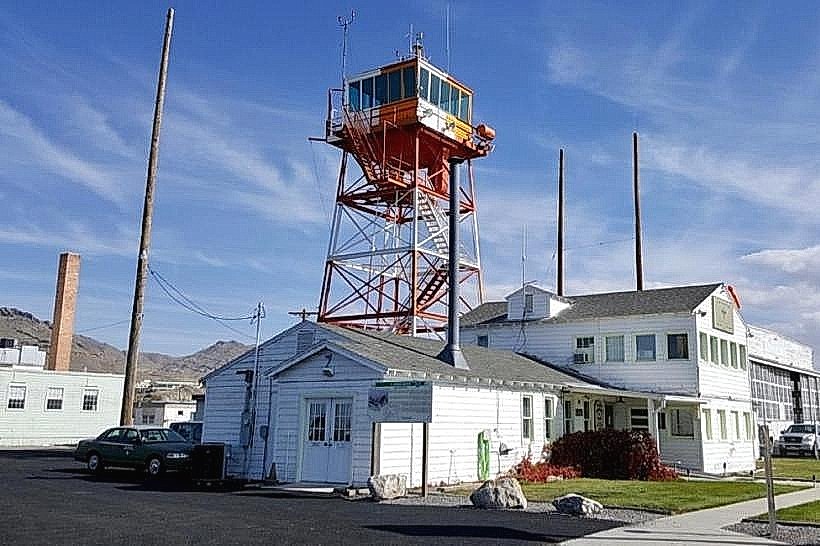
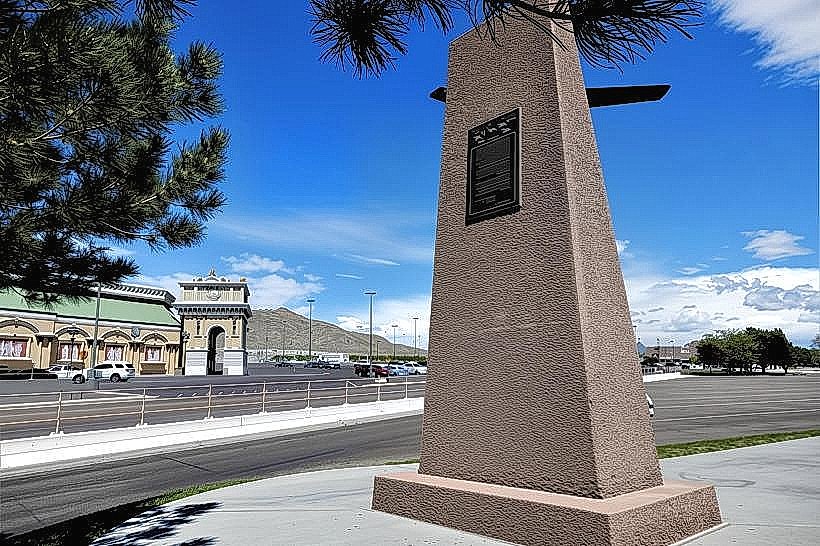
Landmark: WWII Historic SitesCity: West Wendover
Country: USA Nevada
Continent: North America
WWII Historic Sites, West Wendover, USA Nevada, North America
Fort Smith Riverfront Park is a public recreational area situated along the Arkansas River in Fort Smith, Arkansas.
Visual Characteristics
The park features paved walking and biking trails that extend along the riverbank. Vegetation consists of mature trees providing shade, with open grassy areas. The Arkansas River is the dominant visual element, with its width and current varying based on water levels. The park includes several modern pavilions and a playground structure.
Location & Access Logistics
The park is located at 200 North 5th Street, Fort Smith, Arkansas, approximately 0.5km North of the downtown core. Access is via North 5th Street, which connects to Garrison Avenue. Ample paved parking is available throughout the park. Public transport options include the Fort Smith Transit bus system, with routes serving nearby downtown areas.
Historical & Ecological Origin
The park's development is part of a larger urban revitalization project aimed at reclaiming the riverfront for public use. Historically, this area was a key point for steamboat traffic and commerce. Ecologically, it is situated on the alluvial plain of the Arkansas River, a significant waterway in the central United States.
Key Highlights & Activities
Activities include walking, jogging, and cycling on the paved trails. The park offers access to the Arkansas River for fishing and kayaking. A splash pad is operational during warmer months. The park also hosts various community events and festivals.
Infrastructure & Amenities
Restrooms are available at multiple locations within the park. Shade is provided by mature trees and covered pavilions. Cell phone signal (4G/5G) is generally consistent. Food vendors are not permanently stationed within the park, but are present during scheduled events.
Best Time to Visit
For photography, early morning or late afternoon light offers optimal conditions. The best months for weather are April through October, with temperatures generally ranging from 15°C to 30°C. River conditions can affect water-based activities; check local advisories for current flow rates.
Facts & Legends
A notable feature is the "9/11 Memorial & Heroes Plaza," dedicated to the victims of the September 11th attacks. The park also contains a replica of the U.S. Marshals Museum, which is a separate institution located adjacent to the park.
Nearby Landmarks
- U.S. Marshals Museum (0.1km North)
- Creekmore Park (1.5km West)
- Fort Smith National Cemetery (2.0km Southwest)
- Downtown Fort Smith (0.5km North)