Information
Landmark: Piotrkowska StreetCity: Lodz
Country: Poland
Continent: Europe
Piotrkowska Street, Lodz, Poland, Europe
Overview
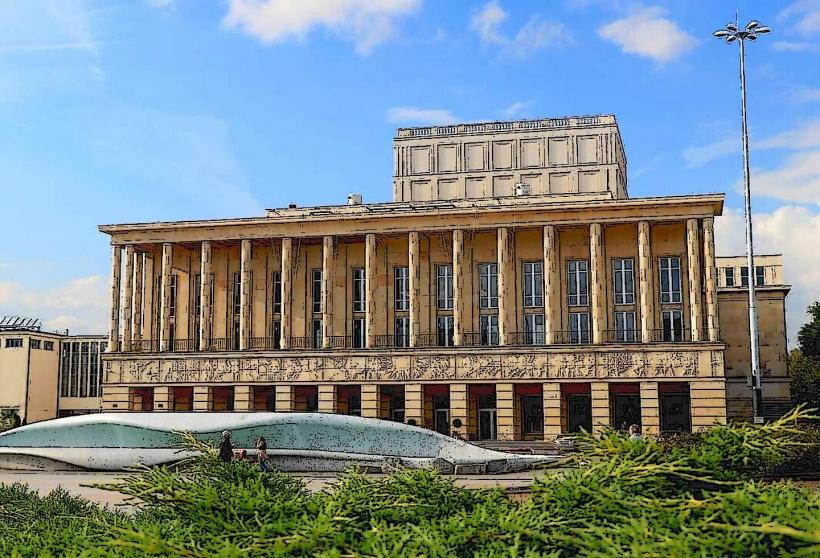
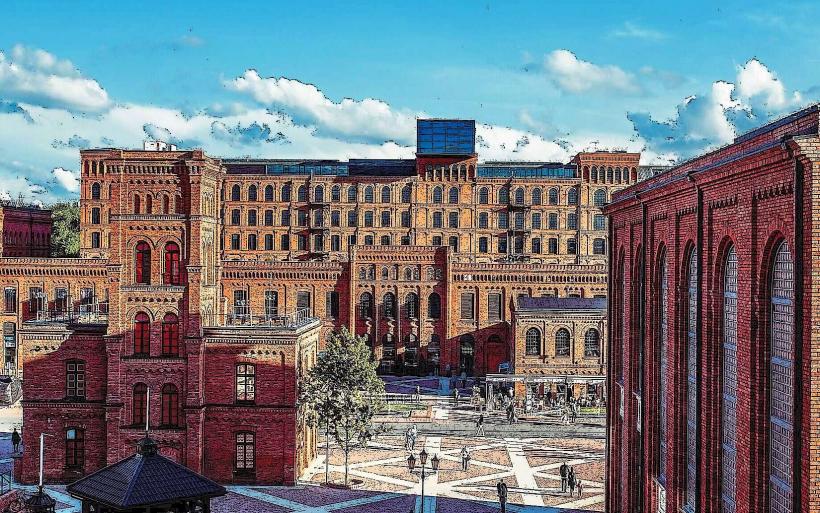
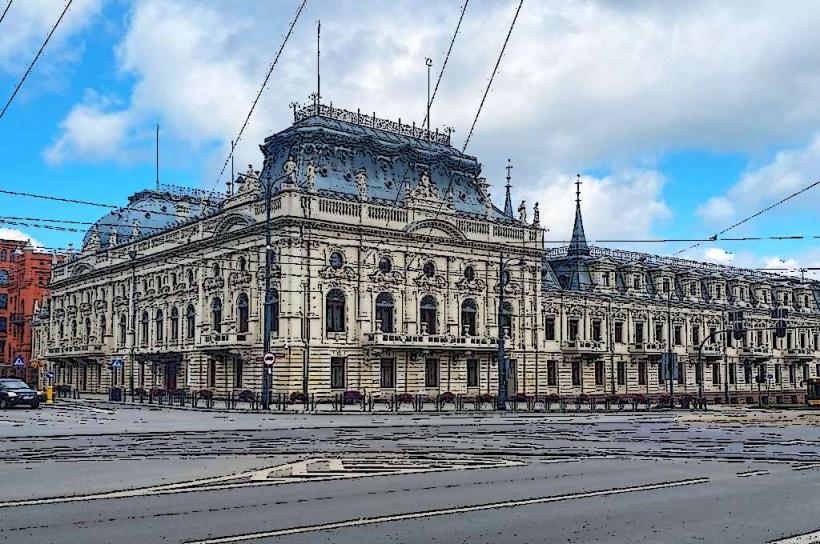
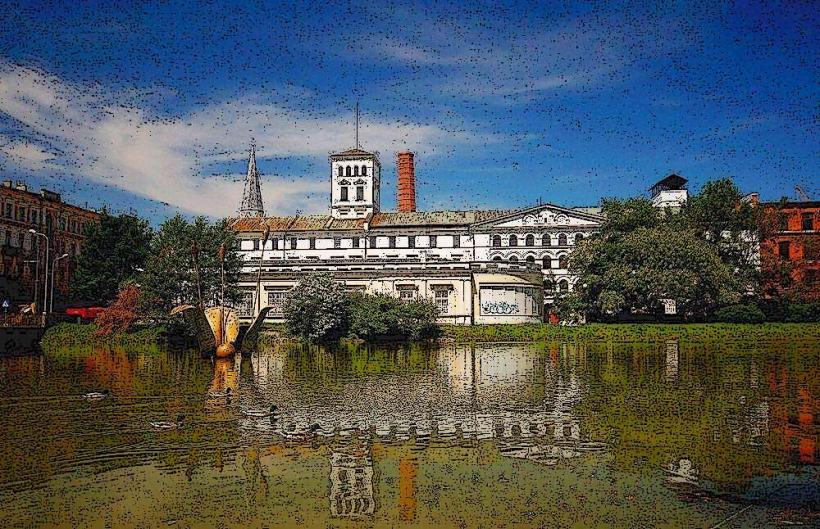
Piotrkowska Street, or ulica Piotrkowska in Polish, stands as one of Łódź’s most storied and beloved streets, where ornate facades catch the afternoon light, as a result piotrkowska bursts with life-street musicians strum guitars by ornate facades, history lingers in every brick-and it stands as the city’s beating heart, drawing in both locals and visitors alike.As it turns out, It’s a bustling commercial and social hub, and it also stands as a vivid symbol of the city’s shift from smokestacks and factories to gleaming glass towers, while piotrkowska Street first came to life in the 19th century, born from Łódź’s whirlwind textile boom, when factory chimneys rose above the rooftops and the city swelled with industry.Piotrkowska Street was first laid out as a main route linking Łódź with nearby Piotrków Trybunalski, which gave it its name, furthermore before long, the clang of looms and the smell of fresh-dyed fabric filled the air as factories, stately manor houses, and rows of workers’ homes rose along its length.In the 19th century, Piotrkowska Street buzzed at the heart of Łódź’s industrial boom, its cobblestones echoing with the clatter of factory carts, consequently wealthy factory owners and ambitious entrepreneurs flocked to the street, and soon grand manor houses, ornate palaces, and bustling shopfronts rose along its cobblestones.The street grew into a bustling hub where merchants traded goods and neighbors gathered under the glow of lanterns.20th Century and Beyond: Through the 1900s, Piotrkowska kept expanding and updating, turning into the city’s main avenue with shop windows glittering in the afternoon sun, in conjunction with over the years, the street has changed in many ways-especially during the Polish People’s Republic, when once-busy shops turned into government offices and cultural halls.You know, After Poland shifted to democracy in the early ’90s, Piotrkowska came alive again, turned into a car-free street lined with cafés, shops, and radiant lights that drew tourists and locals alike, on top of that piotrkowska Street is famous for its mix of architectural styles, with buildings from different centuries standing side by side, from ornate 19th‑century facades to sleek modern glass.The street mixes 19th‑century brick mills with the curves of Art Nouveau, the sharp lines of Art Deco, and a splash of modernist style, moreover some buildings lining the street began life as grand mansions for wealthy factory owners, their carved stone doorways still intact, while others were put up from the start to house shops and businesses.19th-Century Buildings: Stroll down Piotrkowska Street and you’ll pass rows of late-1800s façades, some with ornate neo-Renaissance arches, others crowned with neo-Baroque curves or neo-Gothic spires.Many of these buildings began life as grand mansions or bustling storefronts, built for the city’s wealthy industrialists with polished stone steps leading to their doors, subsequently in the early 1900s, Piotrkowska Street saw a wave of contemporary buildings rise, their façades curling with Art Nouveau vines or gleaming with the sharp lines of Art Deco.The buildings show off intricate facades, where curved lines sweep across the walls, floral motifs bloom in the corners, and crisp geometric patterns catch the light, and some of these buildings went up as theaters, cinemas, and cafés, their vivid signs and chatter giving the street its lively cultural and social pulse, sort of After World War II, Piotrkowska Street saw a wave of renovations, and sleek modernist buildings began to rise, their clean lines catching the afternoon light, in turn these buildings usually show off clean, sharp lines, flat roofs, and a mix of concrete and gleaming glass.Modernist buildings stand out against the older, ornate facades, yet together they create a lively patchwork of styles along the street, likewise today, Piotrkowska Street buzzes with life, its cafés spilling warm light onto the pavement, making it one of Łódź’s top spots for shopping and entertainment, fairly Boutiques, cafés, bars, and tiny restaurants spill down the street, their neon signs glowing in the dusk, drawing in locals and tourists alike, equally important you’ll find everything here, from sleek designer boutiques to a tiny shop selling hand-painted mugs, and plenty of choices in between.As evening falls, Piotrkowska comes alive, its bars glowing warm in the dusk and nightclubs spilling music into the street until the petite hours, therefore on Piotrkowska Street, you’ll find a mix of cultural gems-cozy theaters, shining art galleries, and quiet museums tucked behind ornate facades.Along Piotrkowska, you’ll find some of the city’s best-known theaters, like the Grand Theater (Teatr Wielki) and the Teatr im, their facades catching the glow of the streetlights at night, likewise stefana Jaracza, a quiet street with cracked paving stones, caught the late afternoon light.These venues host an array of performances, from the rich swell of a classical symphony to the hush before a play’s opening line, as a result public art is part of Piotrkowska Street’s charm, from bold murals to bronze figures that catch the sunlight.A highlight of the city is the Łódź trek of Fame, where bronze plaques glint in the sidewalk, each honoring a celebrated actor, musician, or other cultural figure linked to Łódź, on top of that the street is lined with statues and quirky art pieces, so every few steps there’s something modern to catch your eye.All year long, Piotrkowska Street buzzes with cultural happenings, from the colorful Piotrkowska Street Art Festival to the sleek runways of Łódź Fashion Week and the creative displays of the Łódź Design Festival, consequently crowds in the thousands pour in for these events, each one a vivid display of the city’s creative energy and artistic flair, partially Curiously, While Piotrkowska Street buzzes with life and boasts striking facades, it’s also lined with notable landmarks, like the Grand Theater-one of Łódź’s largest and most prestigious cultural venues, its pale stone arches glowing in the afternoon light, therefore the theater stages opera, ballet, and symphony concerts, from soaring arias to the hush before a conductor’s first note.Poznański Palace (Pałac Poznańskiego) stands as one of the most striking sights on Piotrkowska Street-a grand neo-Renaissance residence built by Izrael Poznański, the wealthy industrialist whose textile empire filled Łódź’s mills with the thrum of machinery, likewise today, the palace holds the Museum of the City of Łódź, where you can step inside and catch a glimpse of the industrial elite’s world-velvet chairs, polished wood, and all.The 19th-century Scheibler Palace, with its pointed arches and intricate stonework, showcases elegant neo-Gothic design and now holds the Museum of the History of the City of Łódź, likewise the White Factory (Biała Fabryka) sits just off Piotrkowska Street, a sturdy brick relic built by Izrael Poznański when the clatter of looms filled its halls.Today, it houses the Museum of the History of Industry, where the scent of antique timber and oil lingers, offering a glimpse into the city’s industrial past, to boot the Manufaktura Complex isn’t on Piotrkowska itself, but this vintage red-brick textile factory now buzzes with shops, restaurants, and a sprawling entertainment center just a few minutes’ saunter away.The complex offers plenty to explore-museums filled with radiant paintings, a cozy cinema, and a mix of restaurants and lively bars, along with today, Piotrkowska Street bustles with life-a pedestrian-friendly stretch in the heart of Łódź where music drifts from cafés and people linger under heritage brick facades.It’s one of the longest commercial streets in Europe, running nearly 4.2 kilometers-about the distance you’d cover strolling past a thousand shop windows, besides the street’s mostly closed to cars now, so you can wander at your own pace, catching the hiss of a passing espresso machine and the scent of fresh bread drifting from a café.It’s
Author: Tourist Landmarks
Date: 2025-08-29