Information
Landmark: Pisgah State ParkCity: Keene
Country: USA New Hampshire
Continent: North America
Pisgah State Park, Keene, USA New Hampshire, North America
Pisgah State Park is a 13,000-acre protected area located in southwestern New Hampshire, primarily within the towns of Winchester and Chesterfield.
Visual Characteristics
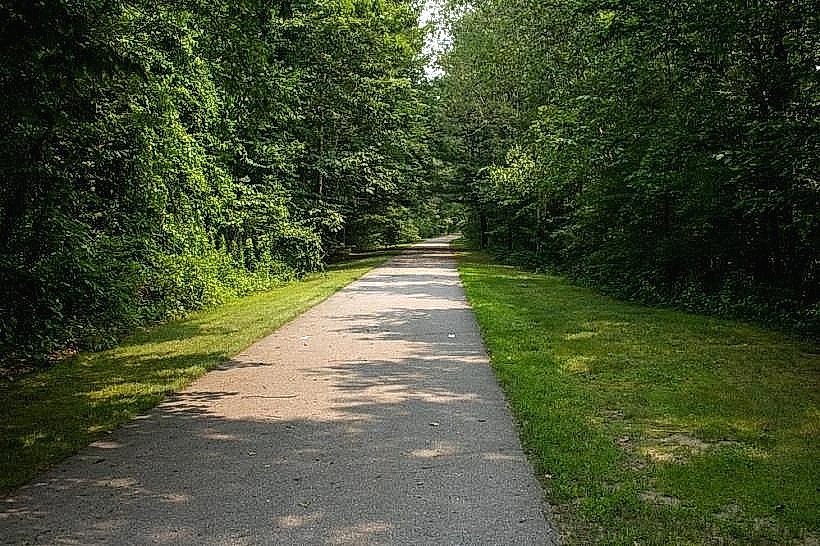
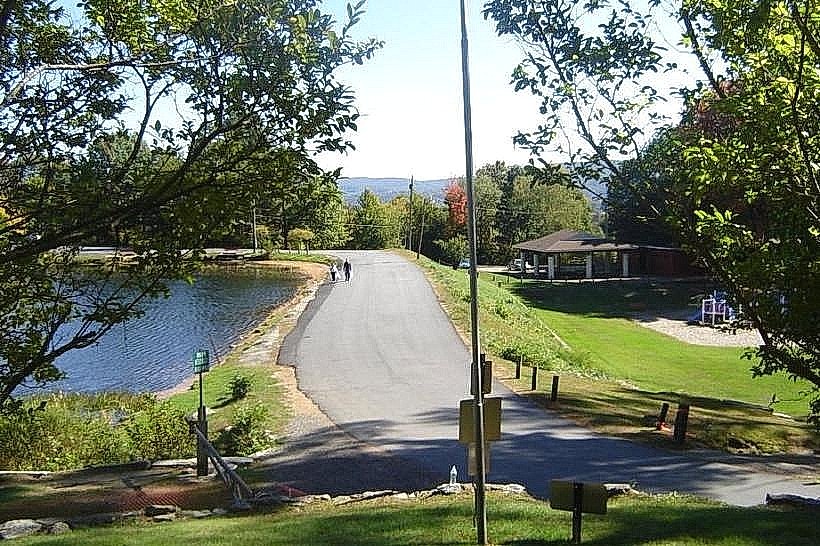
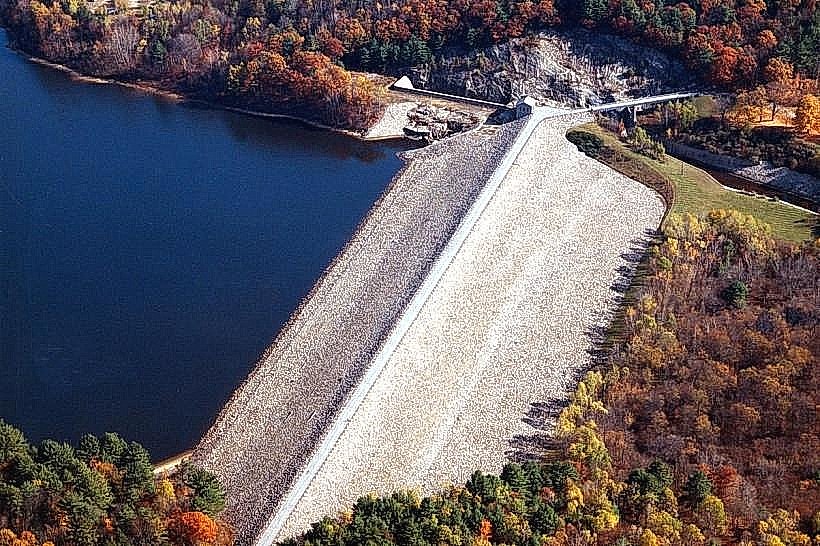
The park features mixed hardwood and softwood forests, with numerous ponds and wetlands. Dominant tree species include oak, maple, and pine. The terrain is characterized by rolling hills and glacial features such as eskers and kames. Water bodies exhibit varying shades of brown and green depending on sediment and vegetation cover.
Location & Access Logistics
Pisgah State Park is situated approximately 15 miles southwest of Keene, New Hampshire. Access is primarily via Route 10, turning onto Route 12A North in Winchester. The park entrance is marked off Route 12A. Several parking areas are available throughout the park, including at the main entrance off Route 12A and at trailheads along Reservoir Road. Public transport options are limited; the nearest bus service operates within Keene.
Historical & Ecological Origin
The land was historically used for logging and agriculture. The park was established in 1975 through a combination of state acquisition and land donations, with the goal of preserving its natural resources and providing recreational opportunities. Ecologically, it represents a significant tract of temperate deciduous forest, supporting diverse wildlife and watershed protection for the Ashuelot River.
Key Highlights & Activities
Hiking is a primary activity, with over 50 miles of marked trails. Specific trails include the Reservoir Trail (5.5 miles loop), the Pisgah Mountain Trail (3.5 miles one-way), and the Chesterfield Gorge Trail. Fishing is permitted in designated ponds and streams. Birdwatching is common due to the varied habitats. Cross-country skiing and snowshoeing are available during winter months.
Infrastructure & Amenities
Restrooms are available at the main park entrance and at select trailheads. Some areas offer picnic tables. Shade is abundant within the forested areas. Cell phone signal is intermittent and generally poor throughout much of the park.
Best Time to Visit
For hiking, late spring through fall offers the most favorable conditions. Autumn provides peak foliage viewing. Summer can be humid. The best time of day for photography is generally early morning or late afternoon for softer light. No specific tide requirements apply.
Facts & Legends
Pisgah State Park contains the largest tract of undeveloped land in New Hampshire. A notable feature is the Chesterfield Gorge, a deep ravine carved by the Ashuelot River, which is accessible via a dedicated trail.
Nearby Landmarks
- Monadnock State Park (15km Northeast)
- Keene Public Library (16km Northeast)
- Ashuelot River Park (14km Northeast)
- Cathedral of the Pines (20km South)