Information
Landmark: Popol Vuh MuseumCity: Guatemala City
Country: Guatemala
Continent: North America
Popol Vuh Museum, Guatemala City, Guatemala, North America
Overview
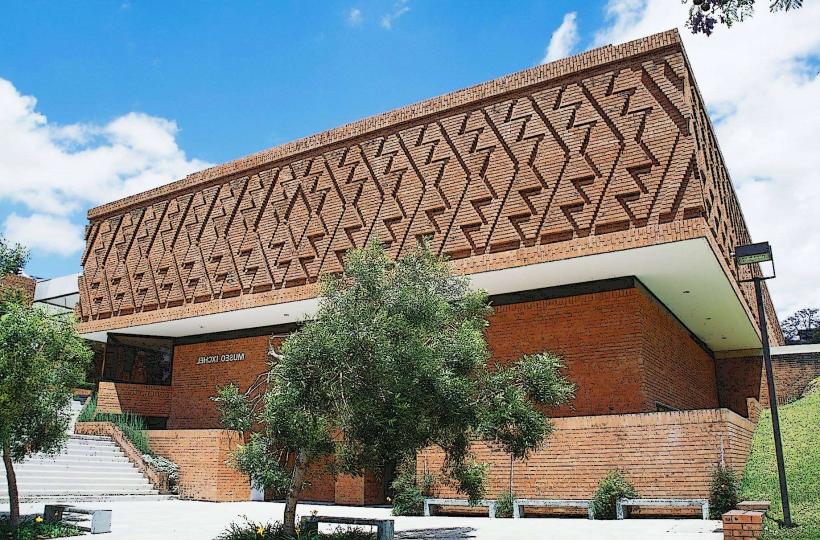
The Popol Vuh Museum in Guatemala stands among the country’s most treasured cultural landmarks, preserving vivid traces of the ancient Maya-from intricate jade masks to centuries-ancient pottery-and sharing their art, history, and heritage with the world, along with in Guatemala City’s bustling Zona 10, the museum belongs to Universidad Francisco Marroquín and takes its name from the Popol Vuh-the sacred K’iche’ Maya text filled with vivid creation myths and tales that shaped the Maya way of seeing the world.Founded in 1979, the Popol Vuh Museum set out to share and celebrate the Maya civilization’s rich history and culture, from intricate jade masks to weathered stone carvings, in conjunction with the museum highlights archaeological and ethnological treasures that tell the story of Guatemala’s ancient past, especially the Maya civilization, whose intricate jade masks and stone carvings remain at the heart of the nation’s identity.Frankly, The museum’s name comes from the Popol Vuh, a cornerstone of Maya literature and myth, filled with tales of gods shaping the earth from mud, equally important this text lays the groundwork for understanding the Maya’s ancient culture and faith, like tracing symbols carved deep into weathered stone.The museum showcases artifacts that bring the ancient Maya to life-from the gods and stars they worshipped to the clay bowls they ate from-while also revealing their artistic brilliance, political power, and deep spiritual traditions, to boot museum Collections: Inside, you’ll find a striking array of pre-Columbian art and artifacts-jade masks, stone carvings, and other treasures-that reveal the wealth of the Maya and neighboring cultures of the region.The collections sit in themed exhibits, each crafted to reveal Maya culture and history from many angles-a jade mask here, a weathered carving there, alternatively the Popol Vuh Museum’s archaeological collection showcases everything from intricate Maya carvings to pottery and tools from other pre-Columbian cultures, offering a glimpse into the lives of these ancient peoples.Highlights of the collection include Maya pottery and ceramics, from sturdy cooking pots still faintly scented of earth to delicate figurines and ornate vessels once used in sacred rituals, as well as the pottery is covered in intricate designs showing gods, animals, and vivid mythological scenes, all linked to sacred rituals-like a stag painted in deep red beside a temple fire.Among the museum’s highlights are massive stone sculptures, carved stelae-tall monuments etched with intricate Maya symbols-and weathered altars once used in sacred Maya ceremonies, alternatively these carvings show rulers in feathered headdresses, gods with fierce eyes, and scenes of great battles, opening a window into the Maya’s political and spiritual world.Maya Textiles and Clothing: The museum displays vibrant woven fabrics, each thread revealing the skill and artistry behind the clothing the Maya once wore, while these textiles play a central role in the region’s indigenous cultures, and they still carry deep meaning in today’s Maya communities, where shining threads and handwoven patterns tell antique stories.Curiously, Religious and Ceremonial Artifacts: The display includes objects tied to Maya spiritual life-ritual vessels with worn edges, clay incense burners still faintly scented with ash, and figurines once held during sacred ceremonies, at the same time these artifacts open a window into the Maya’s intricate beliefs-their deep respect for the gods and the life-giving forests, rivers, and skies around them.At the heart of the museum is an exploration of the Popol Vuh-its stories of creation, gods, and heroes-and how these tales shaped Maya cosmology, religion, and myth, at the same time the museum features vivid exhibits that bring the Popol Vuh to life, guiding visitors through the Maya’s vision of creation, the daring hero twins, the shadowed depths of the underworld, and the gods’ hand in shaping the world.It seems, Creation Myths: In the museum, you’ll view vivid scenes from the Popol Vuh-gods shaping the earth, molding the first people, and waging an endless struggle between life and death, also the Maya placed these myths at the heart of their worldview, weaving them into sacred rituals, the laws that guided their cities, and their vision of the night sky scattered with glowing stars, in some ways In the Popol Vuh, the Hero Twins-Hunahpú and Xbalanqué-set out for Xibalba, the shadowy underworld, to challenge and defeat the Lords of Death, subsequently the museum brings to life scenes from this epic tale, a story woven deep into the Maya’s spiritual beliefs and rich with symbolic meaning, like a jaguar painted in vivid red on ancient stone.Maya Gods and Rituals: The museum delves into the Maya pantheon, revealing deities who shaped the world and, with a crack of thunder, could bring it to ruin, as a result the exhibits bring the Popol Vuh’s gods to life, from Tepeu Kan, the creator, to Gucumatz, the feathered serpent with glinting scales, and Huracán, who commands wind and storms.The Popol Vuh Museum’s ethnological collection showcases vibrant displays of Guatemala’s living Maya cultures, from handwoven textiles in deep indigo to intricate ceremonial masks, what’s more these exhibits open a window into the traditions, languages, and daily practices of indigenous peoples, highlighting the K’iche’ Maya-an ethnic group deeply tied to the Popol Vuh, their creation story once whispered around evening fires, under certain circumstances The museum showcases a vibrant array of traditional Maya clothing, from hand-embroidered blouses to richly woven textiles whose glowing threads echo centuries of Maya identity, likewise many of these textiles carry symbolic patterns-woven diamonds, curling vines-that speak to the wearer’s heritage and the community they call home.The museum showcases modern pieces inspired by Maya traditions, reimagining them with bold colors and fresh perspectives, not only that these pieces show how Maya culture is still changing and full of life, from weaving dazzling threads into cloth to keeping timeworn stories alive around the fire.Architecture and Design: The Popol Vuh Museum stands as a true gem, with clean lines and sunlit stone that catches the eye the moment you arrive, to boot the building combines sleek modern lines with details that echo the vibrant patterns and colors of Guatemala’s indigenous heritage.Funny enough, The space invites visitors to explore artifacts on display while offering an engaging, hands-on learning experience, alternatively educational and Cultural Programs: The museum holds more than artifacts-it buzzes with workshops, lectures, and hands-on activities that draw the public in and keep them coming back.The museum offers a range of educational programs, from hands-on workshops where you might handle replica pottery shards to lively seminars on Maya archaeology, history, and culture, after that these programs invite students, researchers, and anyone curious to explore the Maya civilization, sparking deeper insight-like tracing the intricate lines of an ancient glyph.Temporary Exhibitions: The museum regularly unveils contemporary displays, from vivid Maya pottery to rare artifacts, each shedding light on a different part of Maya culture and pre-Columbian history, furthermore these short-term exhibits often center on a single theme-Maya art, towering stone temples, or the living traditions still shaping daily life, occasionally Guided Tours: Join one of the museum’s guided tours, and you’ll uncover the stories behind each exhibit-like the faint brushstrokes on a centuries-classical painting-and behold why they matter, as a result guides who discern their stuff bring the artifacts to life, weaving in the stories behind them and sharing vivid glimpses of Maya cosmology and history.Visitor Experience: If you’re curious about the ancient Maya and the traditions that still echo today, the Popol Vuh Museum is the area to go-step inside and you might find yourself staring at a jade mask that’s over a thousand years antique, besides whether it’s rain streaking the window or sunlight spilling across the floor, the choice still matters.
Author: Tourist Landmarks
Date: 2025-09-14