Information
Landmark: Porto City ParkCity: Porto
Country: Portugal
Continent: Europe
Porto City Park, Porto, Portugal, Europe
Porto City Park (Parque da Cidade do Porto) is the largest urban park in Portugal, encompassing 83 hectares of landscaped green space in the western part of Porto. It is the only urban park in Europe to feature a continuous biological connection to the Atlantic Ocean.
Visual Characteristics
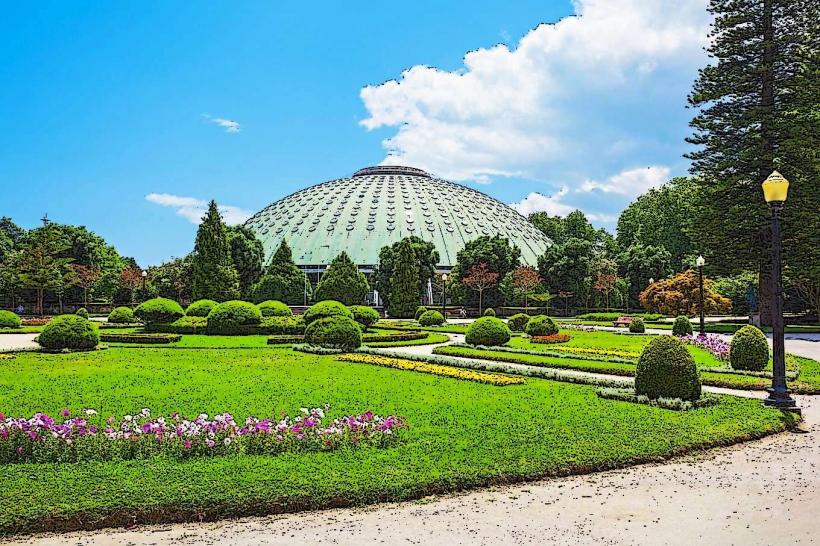
The park is defined by a Romantic-Naturalist aesthetic, designed to appear as a seamless, organic landscape rather than a rigid garden. It features wide undulating lawns, dense groves of native trees, and a network of lakes and water channels. The visual experience is characterized by a gradual transition from high-density Mediterranean forest to open coastal dunes at the western edge, where the park meets the Praia de Matosinhos.
Location & Access Logistics
The park spans the parishes of Aldoar, Foz do Douro, and Nevogilde (4100-117 Porto).
Public Transport: Served by buses 205, 500, and 502. The Matosinhos Sul Metro station (Blue Line A) is approximately 1km from the western entrance.
Road: Accessible via Estrada da Circunvalação (North) and Avenida da Boavista (South).
Parking: High-capacity outdoor parking lots are located at the main entrances on Avenida da Boavista and Estrada da Circunvalação.
Access: The park features a high-fidelity network of 10 kilometers of paved and dirt paths. It is fully accessible for cyclists, runners, and wheelchair users due to its relatively flat topography.
Historical & Ecological Origin
Designed by landscape architect Sidónio Pardal, construction began in 1991 and was completed in stages throughout the 1990s. The park functions as a critical ecological corridor, providing habitat for ducks, geese, swans, and several species of amphibians. The design utilizes traditional stone walls and water management systems that mimic natural drainage patterns.
Key Highlights & Activities
Water Pavilion (Pavilhão da Água): A high-fidelity interactive museum focused on water resources and science, originally built for Expo '98.
Sea Life Porto: An aquarium located at the park’s western Atlantic boundary.
Queimódromo: A large paved area at the northern edge used for high-density events, including the Queima das Fitas student festival and music festivals like Primavera Sound Porto.
Organic Market: Hosted every Saturday morning at the Núcleo Rural (Rural Core), featuring regional bio-products.
Atlantic Front: The westernmost point provides direct pedestrian access to the beach and the "Transparent Building" (Edifício Transparente).
Infrastructure & Amenities
The park includes several cafes, a tea house, public restrooms, and specialized sports areas. 5G cellular coverage is exceptional across the open lawns.
Best Time to Visit
Open daily, 07:00–00:00 (summer) and 07:00–22:00 (winter). Weekend afternoons see the highest human density. Weekday mornings are optimal for observing the park’s bird population and experiencing the quiet natural environment.
Facts & Legends
A verified historical fact is that the park’s construction involved the restoration of former agricultural lands and the integration of traditional "granite and water" elements typical of Northern Portuguese rural architecture. While the park is modern, its "Rural Core" preserves 19th-century farmhouses that serve as a living link to the region’s pre-urban history.
Nearby Landmarks
Matosinhos Beach: Immediately West.
Serralves Museum: 1.5km East.
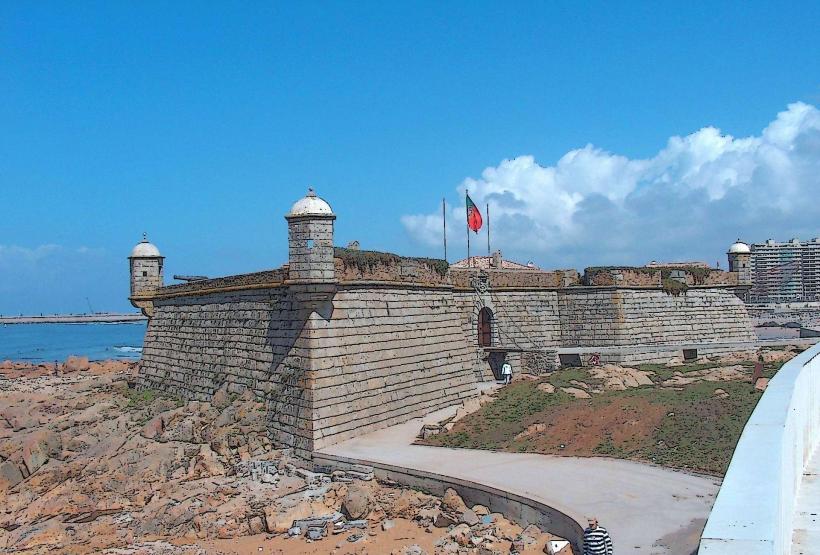
Castelo do Queijo: 0.5km Southwest.
Avenida da Boavista: Bordering the South side.