Information
Landmark: Puente de BoyacáCity: Villa de Leyva
Country: Colombia
Continent: South America
Puente de Boyacá, Villa de Leyva, Colombia, South America
The Puente de Boyacá is a historic bridge located in the Boyacá department of Colombia, near the town of Villa de Leyva.
It is a significant national monument commemorating a pivotal battle in Colombian independence.
Visual Characteristics
The bridge is constructed from stone, featuring three arches. The central arch is the largest. The structure measures approximately 30 meters in length and 10 meters in width. It is situated over a small river. The surrounding landscape consists of rolling hills and agricultural land.
Location & Access Logistics
The Puente de Boyacá is located 15 kilometers south of Villa de Leyva on the road to Tunja (Route 55). Access is directly from Route 55. Ample parking is available adjacent to the monument. No public transport directly serves the bridge; visitors typically arrive by private vehicle or taxi from Villa de Leyva or Tunja.
Historical & Ecological Origin
The current stone bridge was constructed in the late 18th century, replacing an earlier structure. It is most famous for being the site of the Battle of Boyacá on August 7, 1819, a decisive victory for Simón Bolívar's forces against the Spanish royalists, securing Colombian independence. The river it spans is the Río Teatinos, a tributary of the Río Chicamocha.
Key Highlights & Activities
Visitors can walk across the bridge and view the commemorative plaques and statues. The surrounding area is suitable for short walks. Photography of the bridge and its historical markers is a primary activity.
Infrastructure & Amenities
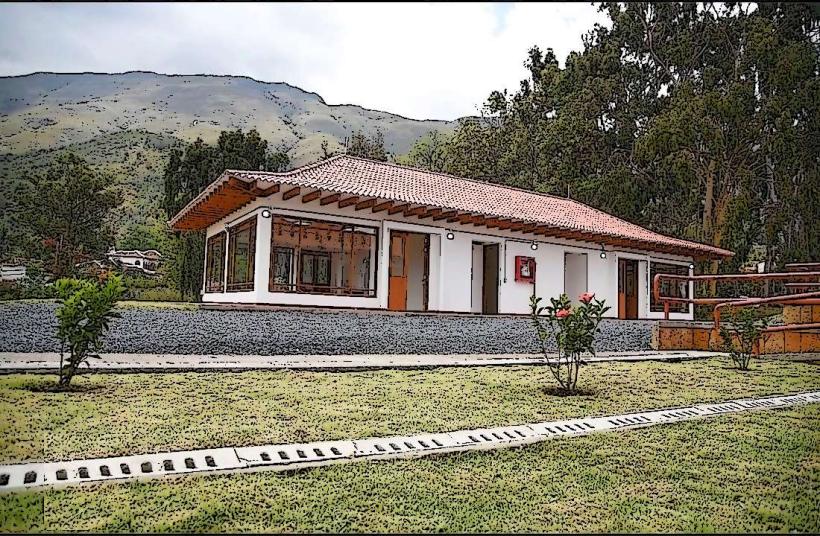
Restrooms are available at the visitor center located near the bridge. Limited shade is provided by trees in the immediate vicinity. Cell phone signal (4G) is generally available. Food vendors are typically present on weekends and holidays, offering local snacks.
Best Time to Visit
The best time of day for photography is mid-morning or late afternoon when the sun angle provides good illumination of the stone structure. The dry season, from December to March and July to August, offers the most favorable weather conditions with less rainfall.
Facts & Legends
A local legend states that the river beneath the bridge flows with the blood of fallen soldiers from the Battle of Boyacá, though this is a symbolic interpretation of the historical significance of the site.
Nearby Landmarks
- Villa de Leyva Main Square (15km North)
- Casa Terracota (12km North)
- Pozos Azules (18km North)
- Monasterio de Ecce Homo (10km North)