Information
Landmark: Reserva Nacional Pingüino de HumboldtCity: La Serena
Country: Chile
Continent: South America
Reserva Nacional Pingüino de Humboldt, La Serena, Chile, South America
Reserva Nacional Pingüino de Humboldt is a protected marine area located off the coast of the Coquimbo Region in Chile.
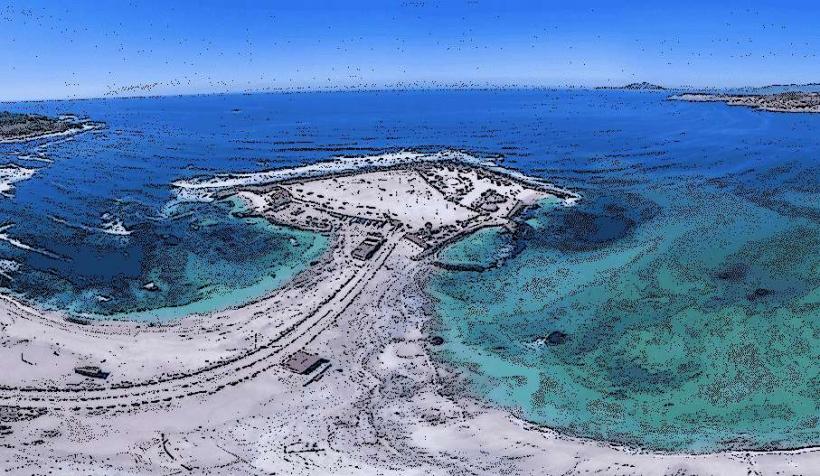
This reserve encompasses three islands: Isla Grande, Isla Chica, and Isla Montaza, serving as a critical habitat for various marine species.
Visual Characteristics
The islands are characterized by arid, rocky terrain with sparse vegetation, primarily low-lying shrubs and grasses adapted to coastal conditions. The surrounding waters are a deep blue, with clear visibility often allowing observation of marine life from the surface. Rocky shorelines dominate the perimeter of each island.
Location & Access Logistics
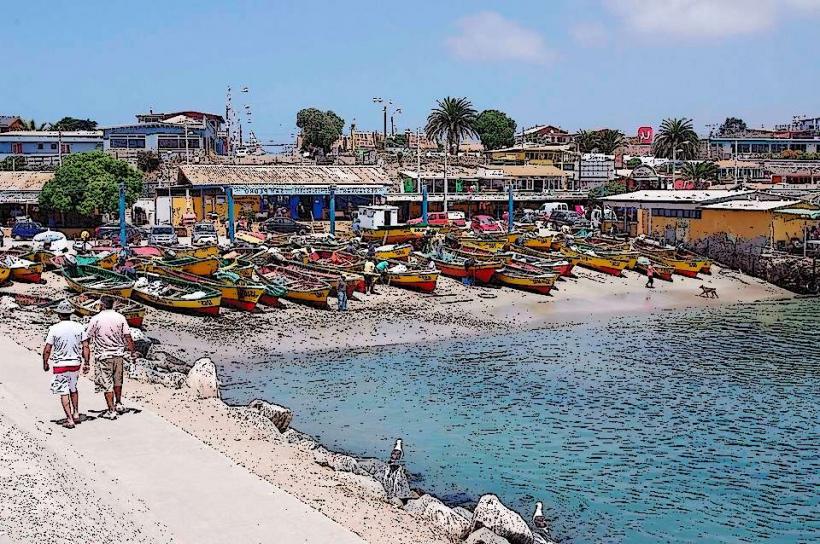
The reserve is situated approximately 80 kilometers north of La Serena. Access is primarily via boat from the port of Bahía San Julián. Boat tours typically depart daily, with schedules varying based on seasonal demand and weather conditions. Private vehicle access to the islands is not permitted. Parking is available at the Bahía San Julián port facilities.
Historical & Ecological Origin
The islands' geological origin is volcanic, with formations dating back millions of years. Ecologically, the area is classified as a coastal marine ecosystem, crucial for breeding colonies of Humboldt penguins and other seabirds. The reserve was established to protect these vulnerable populations and their habitat.
Key Highlights & Activities
Observation of Humboldt penguins in their natural breeding grounds is the primary activity. Boat tours offer opportunities to view marine mammals such as dolphins and whales, depending on the season. Birdwatching is also a significant activity, with numerous seabird species present. Snorkeling and diving are permitted in designated areas, subject to specific regulations and conditions.
Infrastructure & Amenities
Limited infrastructure exists on the islands, primarily consisting of designated viewing platforms and informational signage. Restrooms are not available on the islands themselves; facilities are located at the departure point in Bahía San Julián. Shade is minimal, provided only by natural rock formations. Cell phone signal is generally unreliable on the islands.
Best Time to Visit
The optimal time for visiting is during the breeding season of the Humboldt penguins, which typically runs from March to September. For clear water and good marine life visibility, the months of December to March are favorable. Boat tours operate throughout the year, weather permitting.
Facts & Legends
The reserve is named after the Humboldt Current, a cold ocean current that flows north along the western coast of South America, supporting the rich marine biodiversity of the region. A specific tip for visitors is to bring binoculars for enhanced wildlife observation, as many species are best viewed from a distance to avoid disturbance.
Nearby Landmarks
- Bahía San Julián (0.1km West)
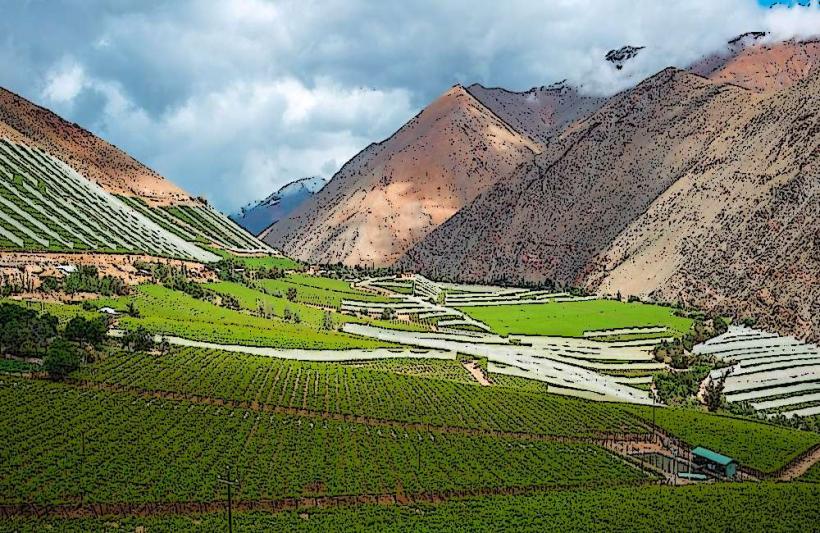
- Valle del Elqui (40km East)
- Fuerte San Juan Bautista (45km South)
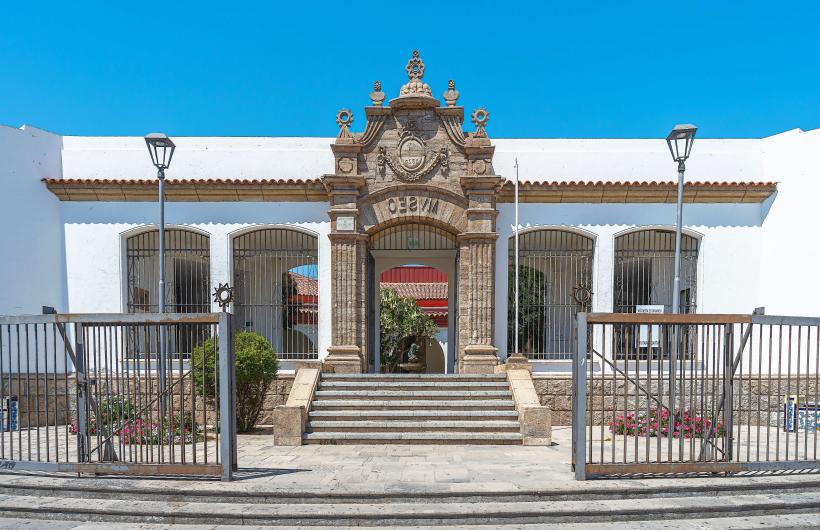
- La Serena Archaeological Museum (75km South)