Information
Landmark: Valle del ElquiCity: La Serena
Country: Chile
Continent: South America
Valle del Elqui, La Serena, Chile, South America
Valle del Elqui is a river valley located in the Coquimbo Region of Chile. It is known for its clear skies and agricultural production.
Visual Characteristics
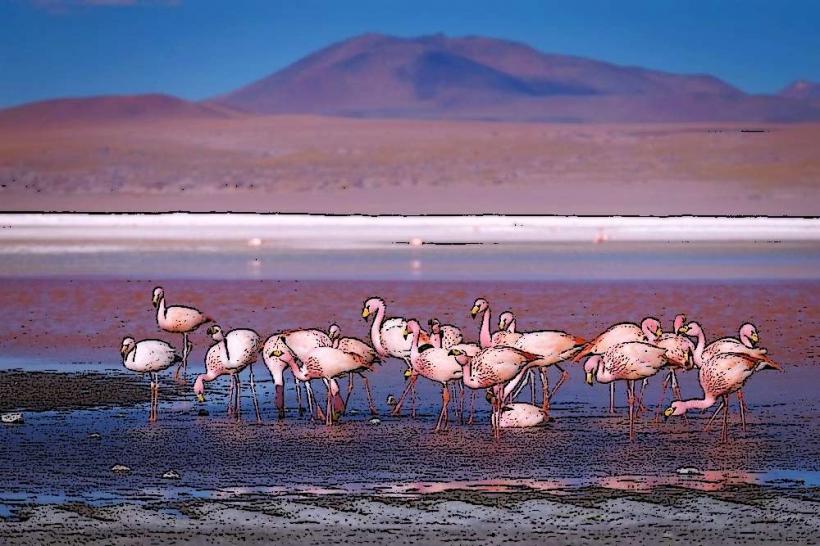
The valley is characterized by arid, mountainous terrain with a river running through its center. Vegetation is sparse, primarily consisting of drought-resistant shrubs and grasses, with cultivated areas of vineyards and fruit trees concentrated along the riverbanks. The Elqui River itself is typically shallow and wide, with a sandy or rocky bed. Rock formations are predominantly sedimentary and metamorphic, displaying shades of brown, grey, and ochre.
Location & Access Logistics
Valle del Elqui is situated approximately 100 kilometers east of La Serena. Access is primarily via Route 41 (Ruta Internacional Gabriela Mistral), which traverses the valley. The journey from La Serena to the valley entrance takes approximately 1.5 hours by car. Public transport options include intercity buses that run regularly from La Serena's main bus terminal to towns within the valley, such as Vicuña and Paihuano. Parking is generally available in designated areas within the towns and at specific tourist sites, though it can be limited during peak seasons.
Historical & Ecological Origin
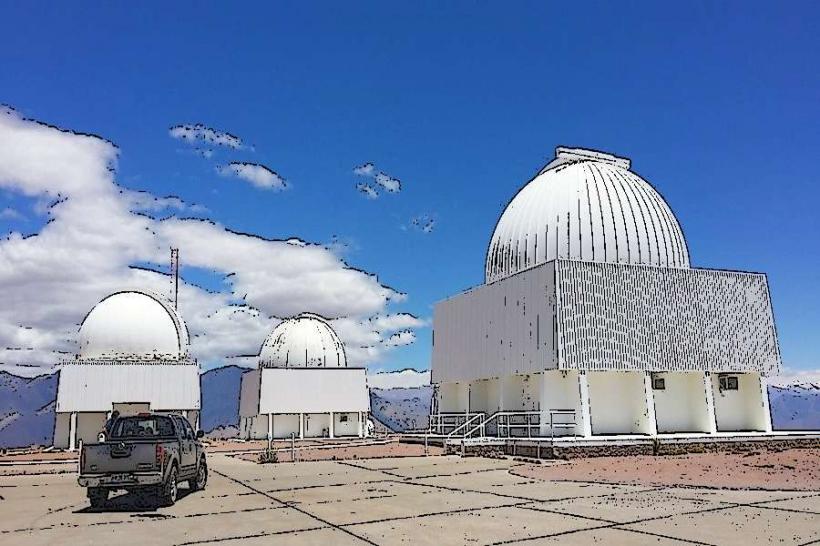
The valley's formation is a result of fluvial erosion over millions of years, carving through the Andean foothills. Ecologically, it is classified as a semi-arid Mediterranean climate zone. Historically, the valley has been inhabited since pre-Columbian times, with evidence of Diaguita culture. Its modern development is linked to agriculture, particularly the cultivation of pisco grapes and other fruits, and later, astronomical observation due to its atmospheric clarity.
Key Highlights & Activities
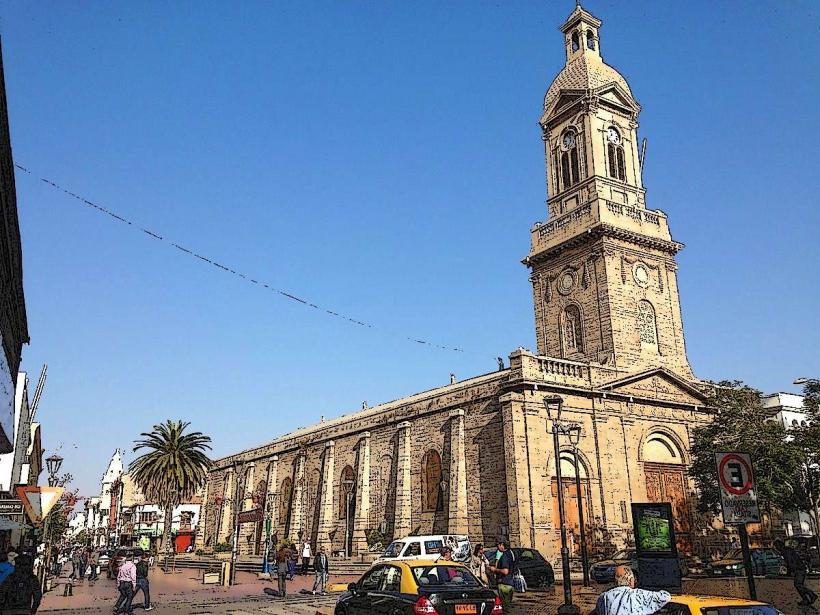
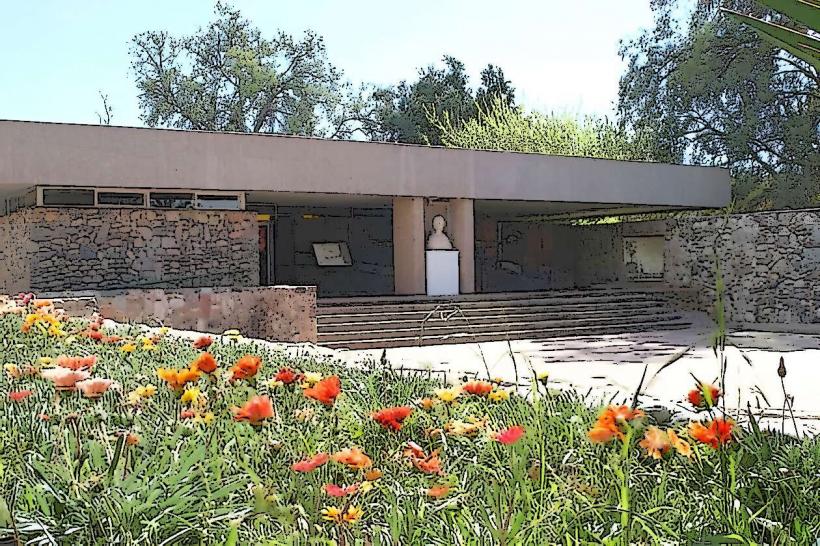
Activities include vineyard tours and pisco distillery visits, with tastings available. Hiking trails are present in the surrounding hills, offering views of the valley. Stargazing tours are a primary activity due to the low light pollution and clear skies. Visits to the town of Vicuña, the birthplace of Nobel laureate Gabriela Mistral, are also common. Observing the Elqui River and its surrounding landscape is a passive activity.
Infrastructure & Amenities
Restrooms are available at most tourist facilities, restaurants, and in the main towns. Shade is provided by natural vegetation in some areas and by man-made structures at vineyards and visitor centers. Cell phone signal (4G/5G) is generally available in towns and along the main road, but can be intermittent in more remote areas. Food vendors and restaurants are concentrated in towns like Vicuña and Paihuano, offering local cuisine and produce.
Best Time to Visit
The best time for clear skies for stargazing is during the dry season, from April to November. For pleasant weather and agricultural activities, the shoulder months of March-May and September-November are recommended. The best time of day for photography is generally late afternoon, approximately 1-2 hours before sunset, for optimal lighting on the landscape. High tide is not a relevant factor for this inland valley.
Facts & Legends
Valle del Elqui is a significant center for pisco production in Chile, with strict regulations governing its origin. A local legend speaks of the "Elqui River's Tears," a tale attributing the river's flow to the sorrow of a mythical indigenous princess. A specific tip for visitors is to book stargazing tours in advance, especially during the peak season, as capacity is often limited.
Nearby Landmarks
- Observatorio Mamalluca (2.5km Northeast)
- Pueblo de Paihuano (15km East)
- Pueblo de Vicuña (18km West)
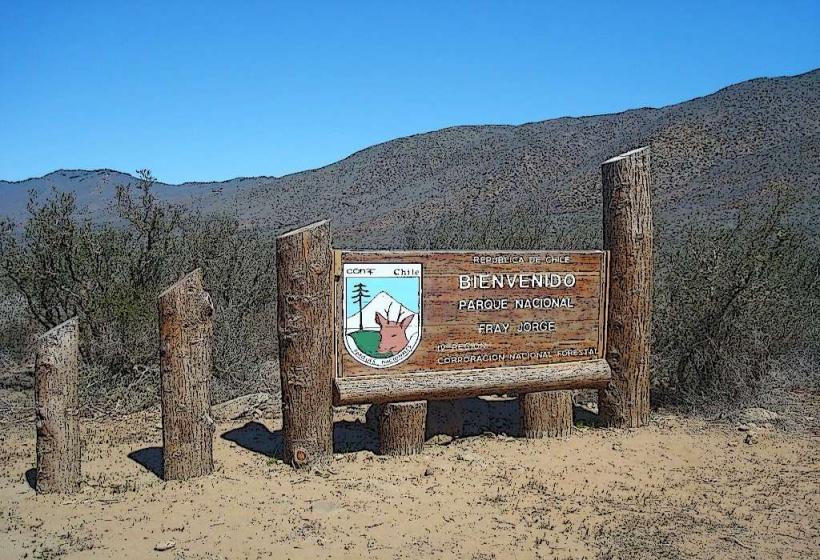
- Parque Nacional Bosque de Fray Jorge (Approximately 70km West, outside the 5km radius but a significant regional landmark)
- Embalse Puclaro (10km Southwest)