Information
Landmark: Riksdag (Parliament House)City: Stockholm
Country: Sweden
Continent: Europe
Riksdag (Parliament House), Stockholm, Sweden, Europe
Overview
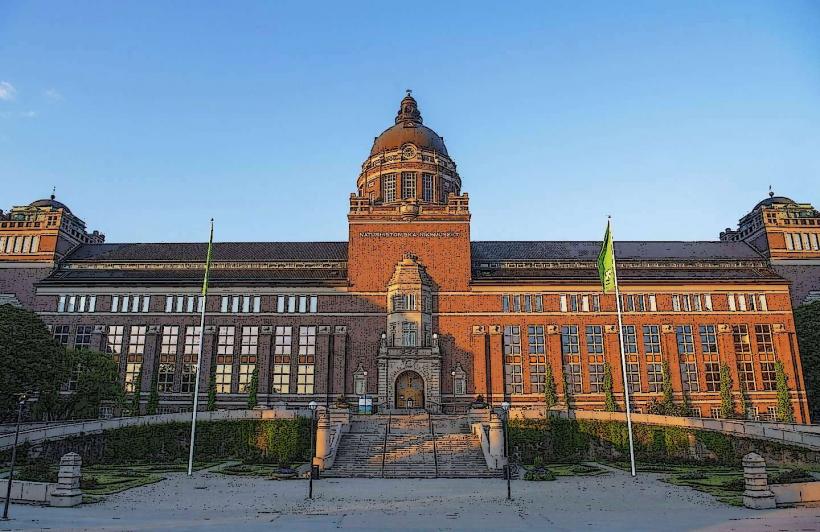
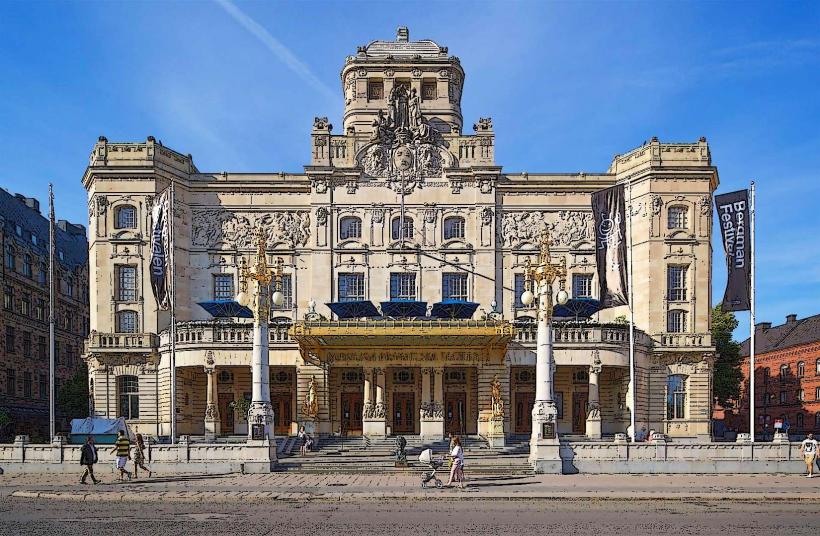
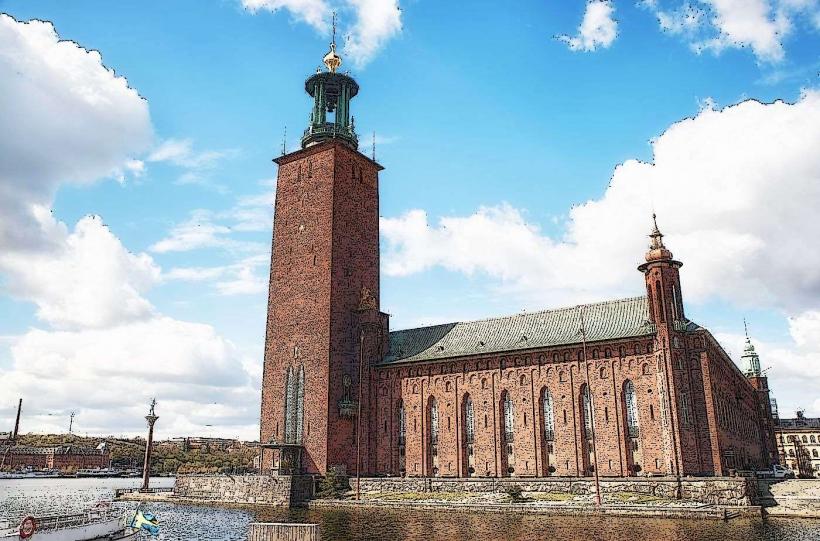
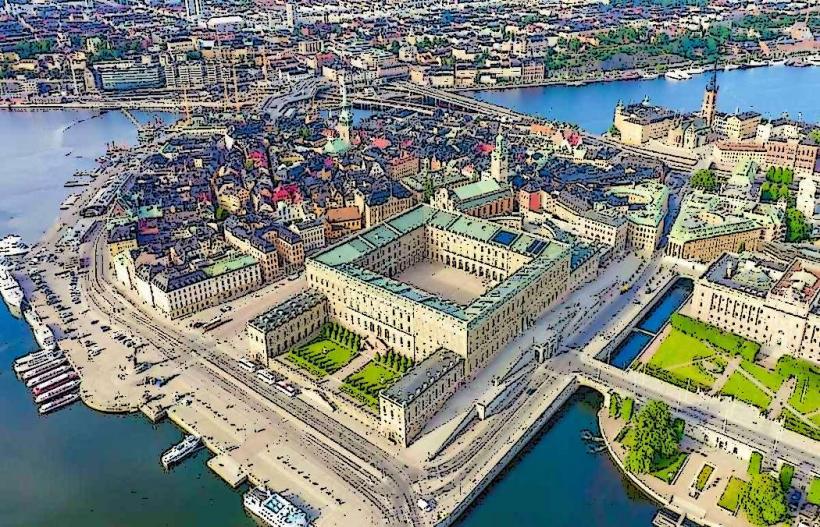
The Riksdag, Sweden’s national parliament, stands as one of the country’s most fundamental landmarks, its stone façade overlooking the water where decisions that shape the nation are made, therefore in Stockholm’s Gamla Stan, the building stands as both a symbol of Sweden’s democracy and an architectural landmark steeped in history, its stone walls echoing centuries of debate.The Riksdag Assembly meets in this building, where Sweden’s Parliament debates recent laws, keeps an eye on the government, and decides the country’s political course-sometimes working late into the night under the glow of brass lamps, while one lone mark sat on the page, a simple number with a sharp little period beside it.To be honest, The Riksdag’s roots stretch back to 1523, when Sweden’s first Parliament gathered in a wooden hall to begin its work, to boot the current Riksdag building, built between 1897 and 1905, rose to meet Sweden’s expanding political needs as the nation stepped into a novel democratic era.Before that, the Assembly gathered in places like Storkyrkan, where candlelight flickered on stone walls, and the Palace of Tre Kronor, along with by the late 19th century, Swedish politics had grown so complex that the country needed a dedicated parliament building, kind of Architect Ragnar Östberg, later known for Stockholm City Hall, designed it, sketching its first lines in crisp black ink, and the design blends neoclassical grace with baroque drama, weaving in details that evoke strength, command, and a sense of stone-solid permanence.The building was finished in 1905, but over time it’s been updated to fit modern technology and the needs of parliament, at the same time made of sandstone, the Riksdag stands with a stately classical façade, tall columns, and broad windows that catch the morning light, loosely The building’s standout feature is its central dome, a bold curve of stone and copper that rises above the Stockholm skyline, subsequently the dome rises amid sweeping arches and ornate facades, true to the neo‑Renaissance and Baroque styles.Inside the Riksdag, lofty halls and broad chambers echo with the sound of footsteps on polished stone, what’s more the best-known spot is the Chamber of the Riksdag, where Sweden’s Parliament gathers to argue, exchange ideas, and cast their votes beneath tall, echoing ceilings, perhaps You know, Sunlight glints off gold leaf trim, catching on the marble columns and dusky, carved wood that line the richly decorated room, simultaneously in the Assembly Hall of the Riksdagshuset, this is where parliament meets to debate and cast their votes.Honestly, Famous for its striking design, the hall holds all 349 members-the exact count of Sweden’s elected parliamentarians-who gather there as the Riksdag, the nation’s legislative body, as well as voters choose these representatives, called Members of Parliament (MPs), to serve a four-year term.The Riksdag writes the country’s laws, approves the national budget, and keeps a close watch on how the government runs-its debates can stretch late into the night over a single line in a bill, as a result it also has the power to examine the government’s actions, making sure policies follow Swedish law and uphold democratic principles.Oddly enough, And when it’s time to choose a Prime Minister, the Riksdag takes center stage, consequently after a general election, the Riksdag chooses the Prime Minister-usually the head of the majority party or coalition-and also takes part in foreign policy, where MPs debate global issues, ratify treaties, and weigh Sweden’s region in the world; these discussions, along with domestic debates and votes, happen in the Chamber, the grand meeting hall with rows of polished wooden desks.The chamber’s tiered seating gives it a distinctive peek, making it ideal for both formal debates and committee work, therefore the Speaker’s Room holds the Speaker of the Riksdag, who directs proceedings and keeps order when voices rise.Nearby, the Prime Minister’s Room offers a spot to meet MPs, handle business, and map out government plans, furthermore smaller committee rooms host focused talks on defense, finance, education, and more.I think, Above it all, public galleries let visitors watch the debates unfold, a clear sign of Sweden’s commitment to open government, as a result from the public galleries, people can watch lawmakers debate and vote, hearing the sharp crack of the gavel as decisions are made.The Riksdag stands at the heart of Sweden’s parliamentary democracy, simultaneously it’s a pillar of the nation’s political life, protecting citizens’ rights and freedoms through open elections, clear processes, and voices in government, much like sunlight pouring through a clean window.As you can see, Sweden runs a multi-party democracy, with the Riksdag bringing voices to the table from across the spectrum - from the center-right Moderates to the left-leaning Social Democrats - so the full range of public opinion, right down to kitchen-table concerns, gets heard, equally important in the Riksdag, politicians trade sharp questions and firm arguments, making it the heart of Sweden’s open, no-nonsense political debate.MPs from across the political spectrum put their concerns, ideas, and perspectives on the table, sparking lively debates that range from tax policy to climate action, and the Riksdag keeps the process open, letting citizens watch every exchange from the public gallery.They broadcast parliamentary sessions live, and the written records of debates-called protocols-are later posted for anyone to read, right down to the last word, consequently such openness lies at the heart of Sweden’s commitment to democracy, and the Riksdag isn’t just where laws are made-it’s also a popular stop for visitors, with its tall windows spilling light onto the grand stone steps.Just so you know, In Stockholm, you can step inside the Riksdag building, wander its shining halls, and get a close scan at Sweden’s politics and history, after that guided Tours: You can join a tour of the Swedish Parliament in several languages, where guides explain its locale in Sweden’s political life and share stories from its long history, including the echo of footsteps in its grand marble halls.These tours often take you through the Riksdag’s most well-known spaces-the Chamber, the Speaker’s Room, and the Prime Minister’s Room, where the polished wood smells faintly of varnish, not only that during parliamentary sessions, the public galleries are open, so anyone can step inside and watch the debates unfold in real time, relatively You can visit the galleries for free, though it’s smart to book ahead for certain sessions, after that inside the Riksdag building, you’ll also find exhibits on Swedish politics, democracy, and the parliament’s history-including worn leather chairs once used by past leaders.Visitors can explore how Sweden’s political system has evolved, trace the shaping of its laws, and uncover pivotal moments in parliamentary history, all while standing in a building on Riksdagshuset Island that looks out over the water.
Author: Tourist Landmarks
Date: 2025-09-04