Information
Landmark: Sahara Museum in DouzCity: Kebili
Country: Tunisia
Continent: Africa
Sahara Museum in Douz, Kebili, Tunisia, Africa
Overview
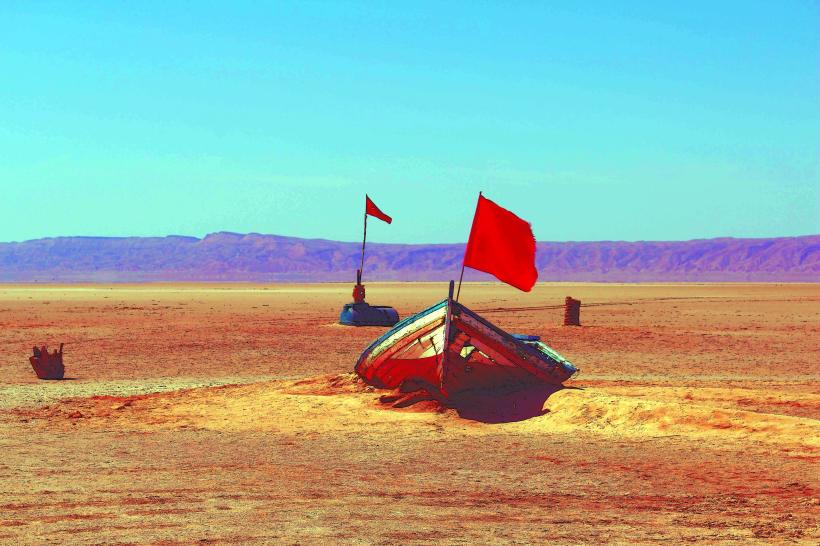
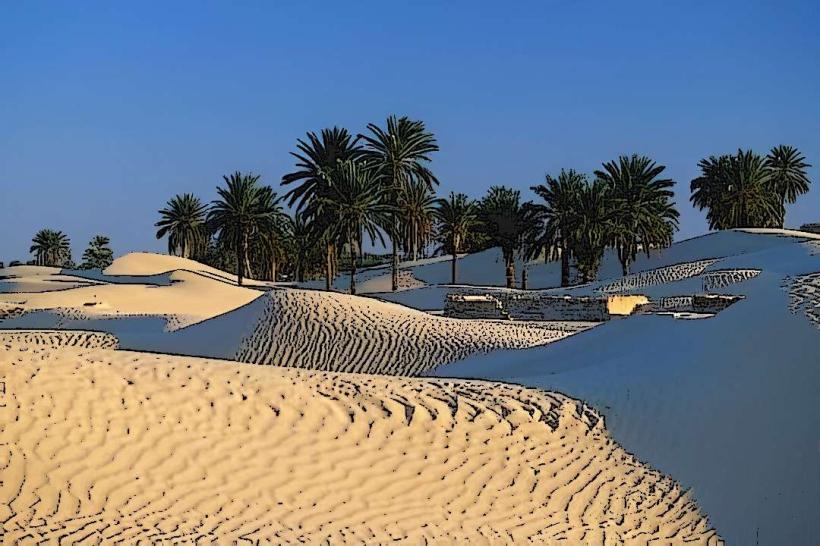
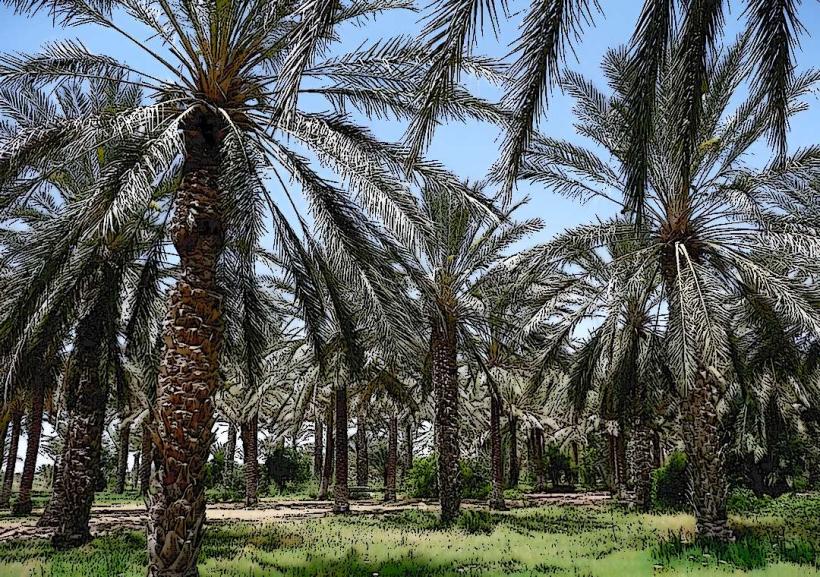
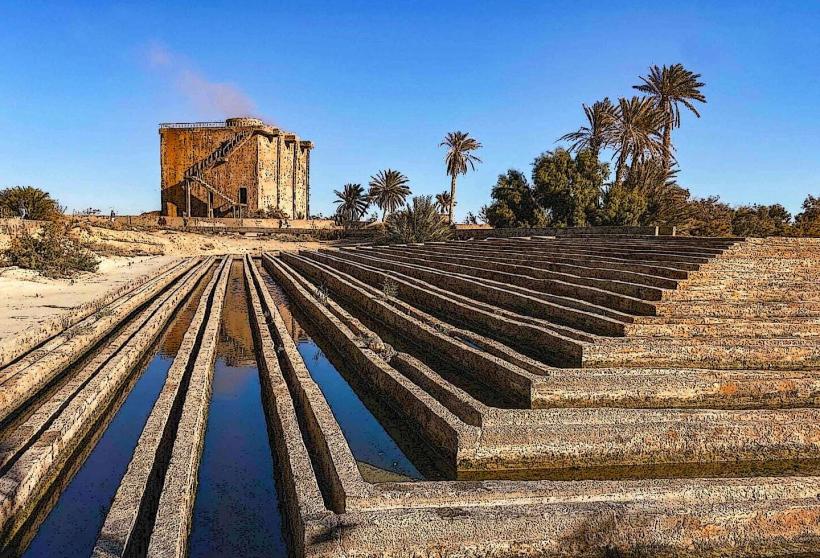
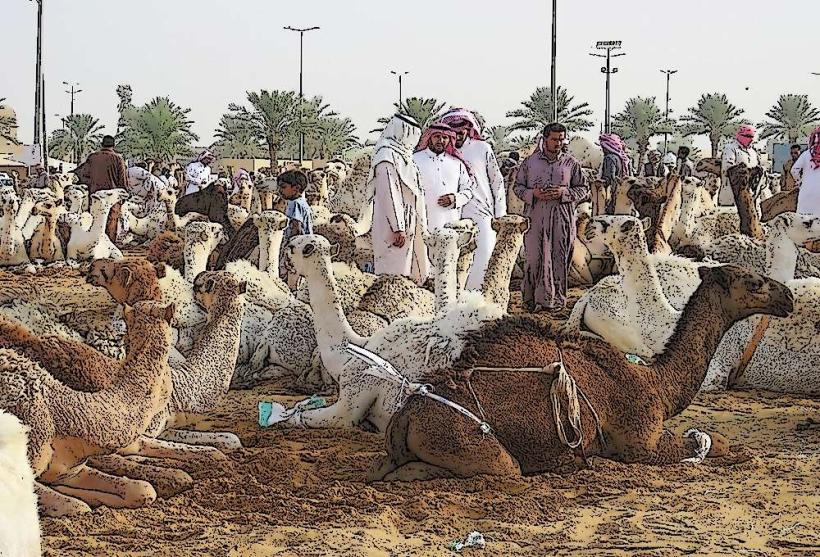
In southern Tunisia’s Kebili Governorate, the Sahara Museum of Douz stands out as a venue devoted to preserving and sharing the life, traditions, and history of the desert’s nomadic and semi-nomadic peoples, from worn leather saddles to wind-polished tools, at the same time people often call it the “Kebili Museum” because of its regional ties, but it’s actually in Douz-a sun‑baked town locals proudly call the “Gateway to the Sahara.”If you’re drawn to the ethnographic and ecological history of the Tunisian desert, this museum belongs on your list-it’s where faded maps meet wind-worn artifacts.First, besides douz sits 31 kilometers south of Kebili, in Tunisia’s Kebili Governorate, and you can reach it easily by car or taxi from Kebili or surrounding towns-think a smooth drive past swaying date palms under the desert sun.If you set out from Kebili or Tozeur on a desert tour, chances are it’s on the itinerary-maybe a pause to feel the warm wind and dust on your skin, meanwhile nearby attractions include the sweeping Grand Erg Oriental dunes, the bustling Douz Market with its dazzling Bedouin textiles, and the lively Festival of the Sahara held each December 2.Truthfully, Founded in 1997 under the Ministry of Culture and Heritage Preservation, the museum exists to capture and share the Saharan way of life-nomadic traditions, desert ecology, intricate crafts, and traces of prehistoric communities, as well as it safeguards these artifacts while inviting visitors to understand the stark beauty of the desert, from the scent of dry wind on the dunes to the ingenious ways people have learned to survive there.Three, along with the museum’s architecture follows the traditional Saharan style, with warm earthen walls, domed roofs, and local stone that make it feel as if it’s grown right out of the desert itself.The layout features exhibition halls, a central courtyard, and rooms devoted to ethnography, archaeology, and natural history, where you might spot a weathered fossil under glass, moreover a, in a sense Main Exhibitions and CollectionsThe Ethnographic Section explores the everyday life and traditions of nomadic tribes like the Mrazig, the native people of Douz, from the rhythm of their camel caravans to the patterns woven into their tents, what’s more clothing: long wool or cotton robes, often dyed deep indigo or warm earth tones.You can also spot headgear and desert boots, a dusty pair sitting right at the edge of the shelf, moreover jewelry and adornments: Saharan women wear finely worked silver and beads that catch the light with every step, for the most part Bedouin tents, or khaïma, stand ready with carpets underfoot, cooking pots by the fire, woven baskets stacked neatly, and leather water bags hanging from a post, as a result just the letter B, bold and simple, like a black brushstroke on white paper.Nomadic tools and crafts included camel saddles and sturdy leather harnesses essential for crossing the Sahara, weaving looms for making carpets and tents, and simple, worn wooden tools for tending crops in the oases, then in the Prehistoric and Archaeological Section, you’ll find stone tools, fossils, and bits of pottery-some worn smooth from centuries of touch-dating back thousands of years.Believe it or not, The exhibits show that the Sahara was once lush, with winding rivers, roaming antelope, and miniature clusters of early human homes, subsequently just the letter D, drawn bold like fresh ink on a white page.Believe it or not, The Natural Environment Exhibit features vivid panels and lifelike dioramas of the Saharan ecosystem, with foxes darting among dunes, snakes coiled in the shade, gazelles, and glowing desert birds, also you’ll also observe date palms, acacias, and hardy shrubs, alongside displays on desertification, searing heat, and shifting seasons.The museum takes an active role in teaching students and visitors, hosting hands-on workshops during school trips or lively cultural festivals, running desert ecology sessions that show how people endure the heat and dryness, and offering craft demonstrations like the soft rasp of weaving, tent-making, and leatherwork, at the same time the museum keeps the stories of the Sahara alive, safeguarding oral histories and the fragile traditions passed down through generations, like a song carried on the wind, perhaps It backs the Festival of the Sahara, a celebrated North African event where desert tribes come together for music, dancing under starlit skies, and the thrill of camel races, as well as it plays a key role in boosting eco‑tourism and cultural tourism across southern Tunisia, from desert trails to lively market streets, loosely Seven, after that visitors can expect the site to open from 9 a.m. To 5 p.m, Tuesday through Sunday, with Mondays off, in conjunction with entry’s affordable, and students or groups get a break on price, kind of Guides speak Arabic, French, and sometimes English, alternatively you can take photos in most rooms, though a few sensitive displays are off-limits.Why not step inside the Sahara Museum and spot the dust of ancient caravans caught in the glass displays, at the same time it gives you a vivid sense of what life’s like in the harshest places-where the wind cuts like glass and every step feels hard-earned, slightly Step inside and you’ll find history, culture, and science woven together, like pages from an vintage book you can touch, furthermore it opens the door to the rich identity and heritage of southern Tunisia, a region mainstream tourism often passes by-where sun-bleached villages quietly guard centuries of tradition.It’s ideal for travelers heading out on desert adventures, offering vivid insight into the people they’ll meet, the vast sunbaked land, and the wildlife that moves quietly through the sand, subsequently the Sahara Museum of Douz, tied to Kebili since they share the same region, offers a rich glimpse into the resilience, artistry, and enduring heritage of Saharan communities, from weathered nomad tools to brightly woven desert textiles.With its rich collections, hands-on learning, and a setting that wraps you in desert light and silence, it’s a must-visit for anyone passing through southern Tunisia who wants to feel the region’s past and present come alive.
Author: Tourist Landmarks
Date: 2025-09-27