Information
Landmark: Saint Kitts National ParkCity: Basseterre
Country: Saint Kitts and Nevis
Continent: North America
Saint Kitts National Park, Basseterre, Saint Kitts and Nevis, North America
Saint Kitts National Park is a protected area encompassing significant natural and historical sites on the island of Saint Kitts, located in Basseterre, Saint Kitts and Nevis.
The park preserves diverse ecosystems and historical fortifications across the island.
Visual Characteristics
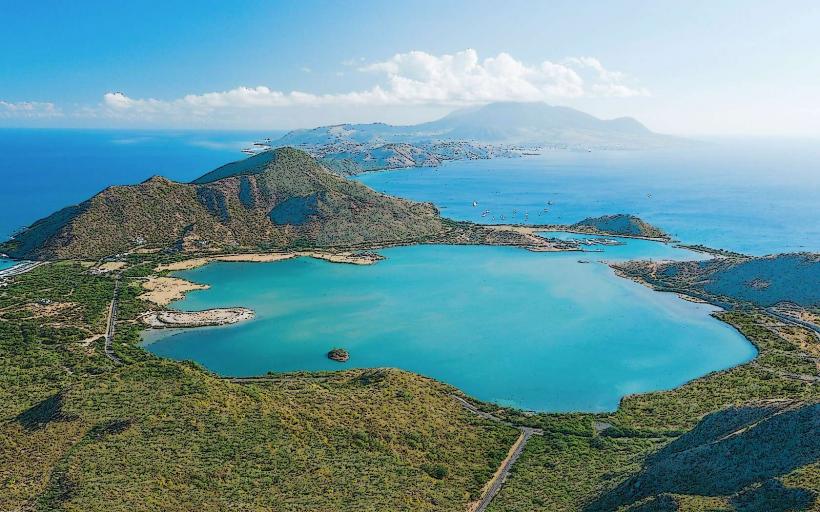
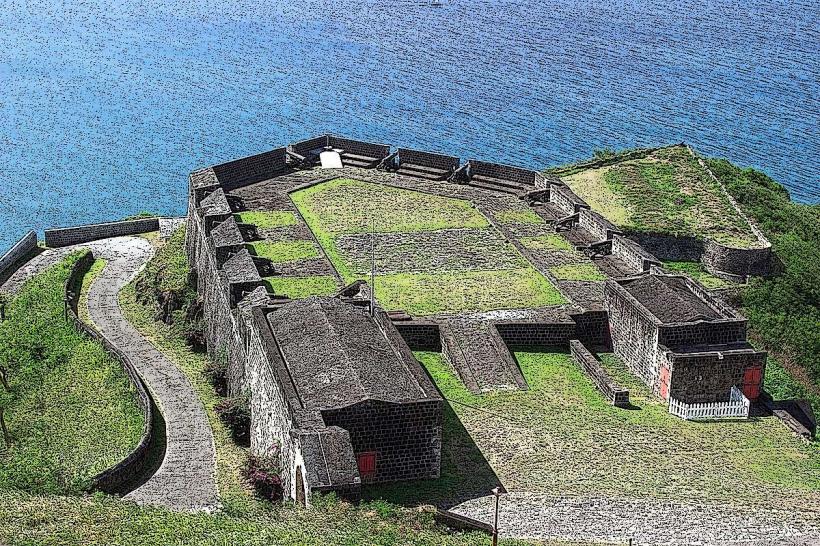
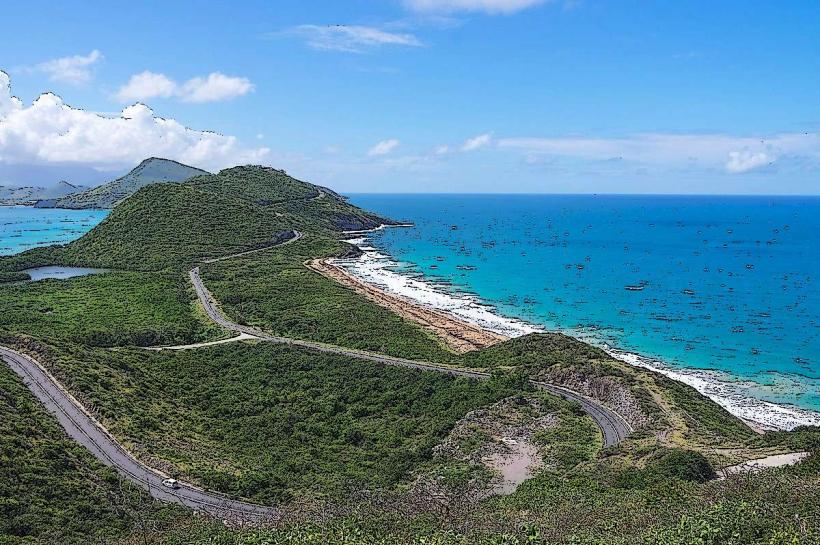
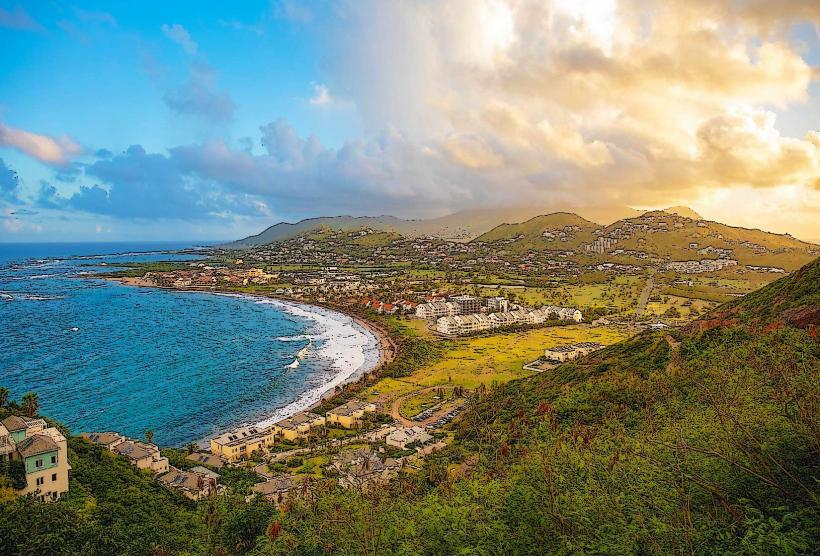
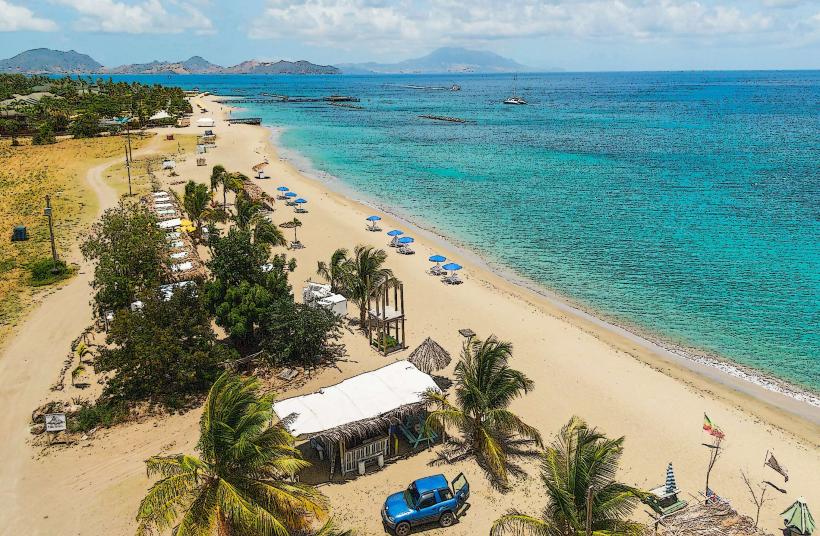
The park includes volcanic mountain ranges covered in dense rainforest, with elevations reaching Mount Liamuiga at 1,156 meters. Coastal areas feature black sand beaches and coral reefs. Fortifications like Brimstone Hill are constructed from volcanic rock and coral stone, exhibiting military architecture from the 17th and 18th centuries.
Location & Access Logistics
Access to the park is via the main island road, the Sir George Walter Highway, which encircles the island. The park's various sections are accessible from different points. For instance, the trail to Mount Liamuiga starts near the village of Harris's Village, approximately 15km northwest of Basseterre. Parking is available at designated trailheads and historical sites. Public transport, specifically local buses (e.g., Route 1, 2, 3), can reach areas near some park entrances, with transfers potentially required for more remote sections.
Historical & Ecological Origin
Saint Kitts National Park was established to protect the island's natural heritage and historical fortifications. Mount Liamuiga is a dormant stratovolcano, formed by volcanic activity millions of years ago. Brimstone Hill Fortress National Park, a component of the larger national park, was constructed by British military engineers starting in 1672 to defend the island from French attacks. The rainforest ecosystem is a result of consistent rainfall and tropical climate.
Key Highlights & Activities
Hiking trails are available, including the ascent to Mount Liamuiga's crater rim. Exploration of Brimstone Hill Fortress, a UNESCO World Heritage site, is a primary activity. Opportunities for birdwatching exist within the rainforest. Snorkeling and diving are possible in designated marine areas off the coast, particularly near the reef systems.
Infrastructure & Amenities
Restrooms are available at Brimstone Hill Fortress and some main trailheads. Shade is provided by the rainforest canopy in forested areas and by structures at historical sites. Cell phone signal (4G) is generally available in populated areas and near major roads, but can be intermittent within dense forest or at higher elevations. Food vendors are typically found near tourist hubs like Brimstone Hill Fortress and in Basseterre.
Best Time to Visit
The best time for hiking is during the dry season, from January to April, to avoid heavy rainfall. For photography of the rainforest, early morning or late afternoon offers optimal lighting conditions. Visiting Brimstone Hill Fortress is recommended during daylight hours. High tide is not a specific requirement for most park activities, but can affect coastal access in certain areas.
Facts & Legends
A local legend suggests that the crater lake at the summit of Mount Liamuiga is bottomless. Historically, Brimstone Hill Fortress was never successfully captured by an enemy force, despite numerous attempts.
Nearby Landmarks
- Brimstone Hill Fortress National Park (0.1km West)
- Basseterre (15km Southeast)
- Nevis Peak (10km South, across The Narrows)
- Romney Memorial (5km South)
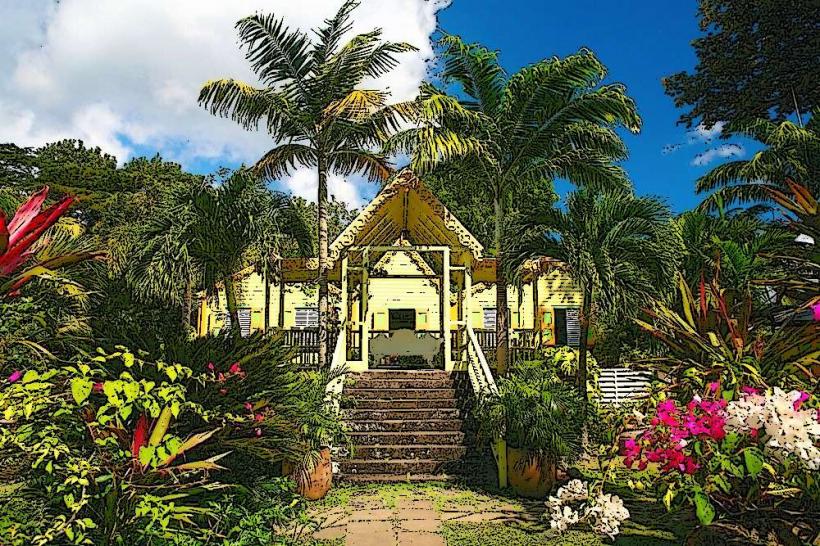
- Fairview Great House & Botanical Garden (4km South)