Information
Landmark: Samana BayCity: Samana
Country: Dominican Republic
Continent: North America
Samana Bay, Samana, Dominican Republic, North America
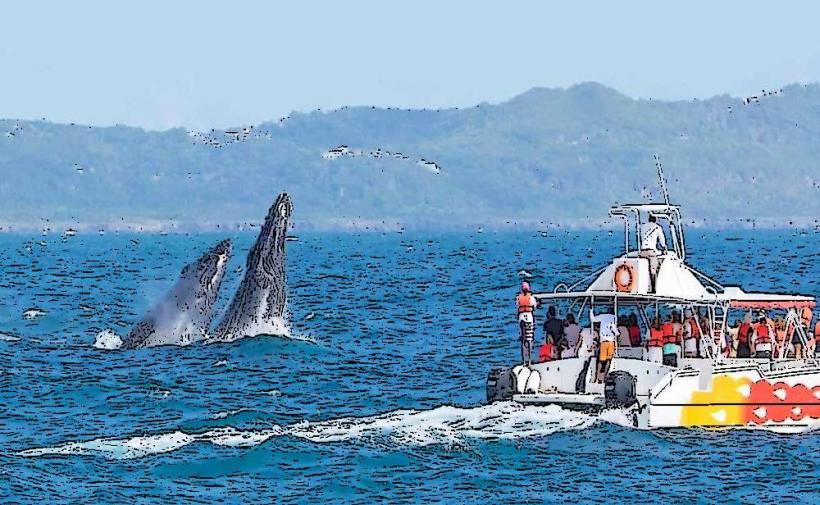
Samana Bay is a large natural inlet situated on the northeastern coast of the Dominican Republic, bordering the city of Samana. It is recognized as a significant marine habitat and a primary breeding ground for North Atlantic humpback whales.
Visual Characteristics
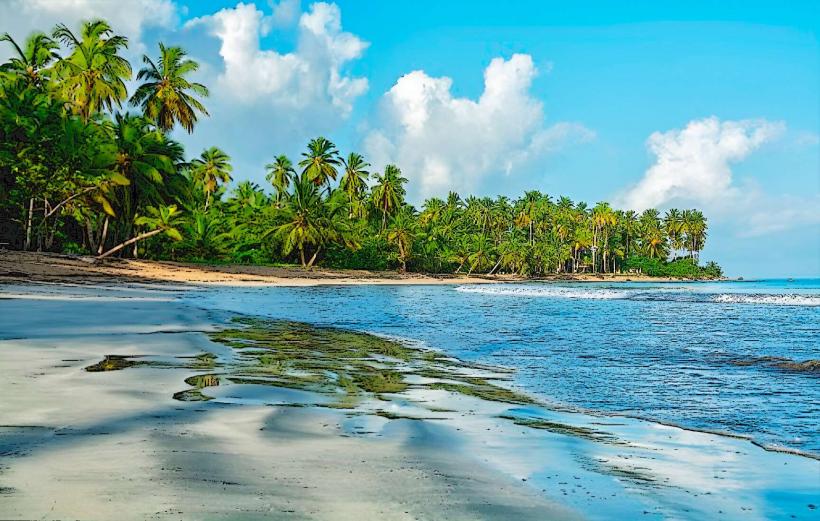
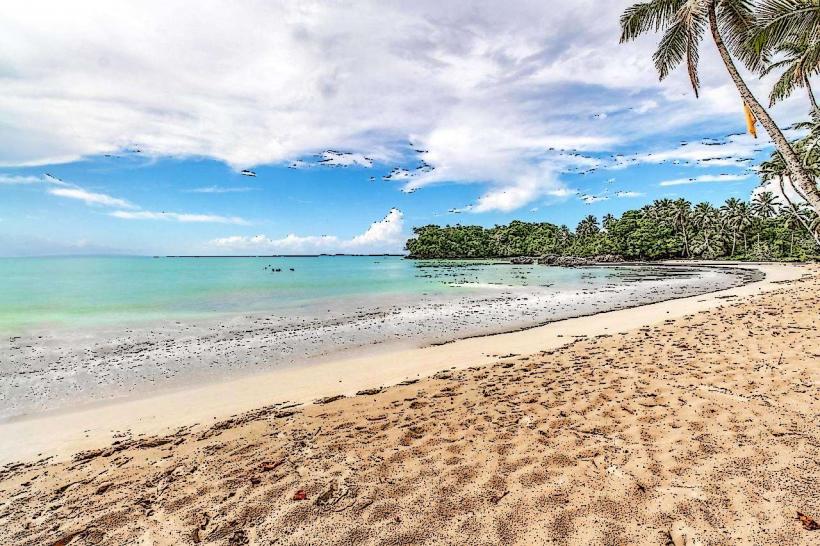
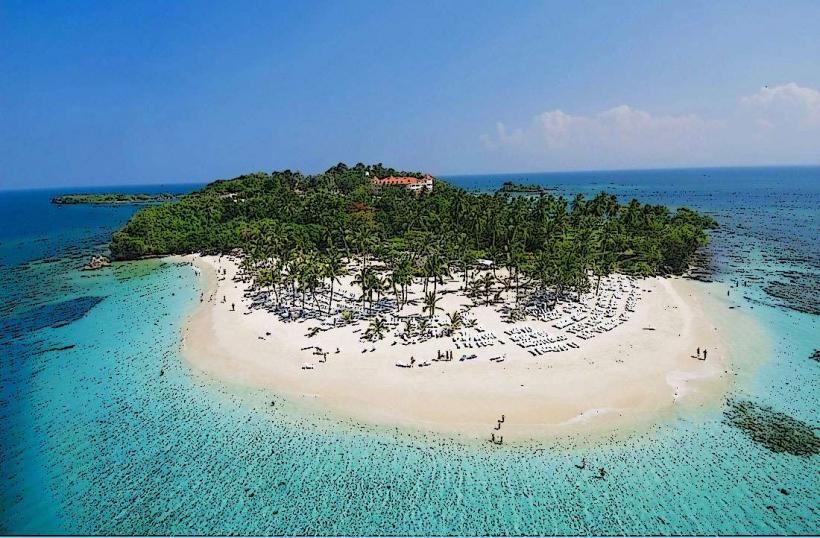
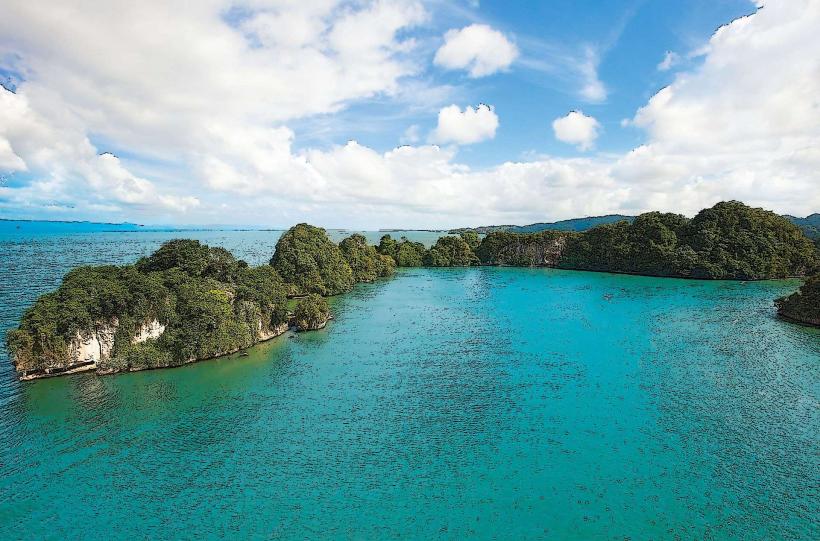
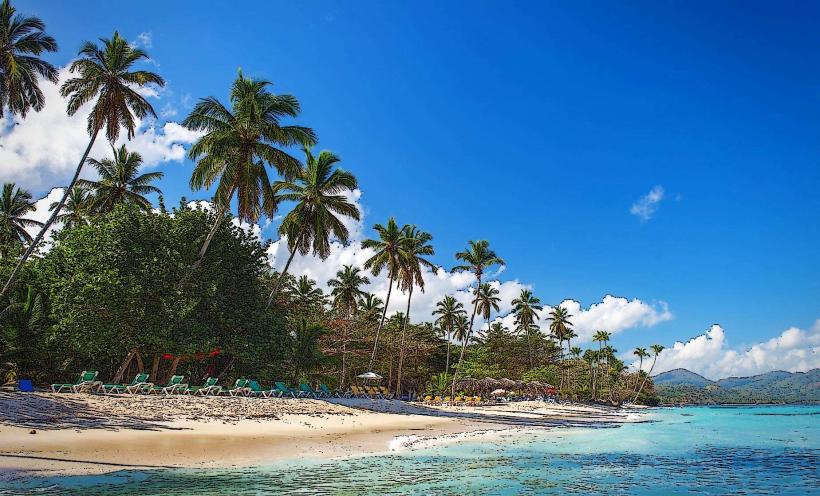
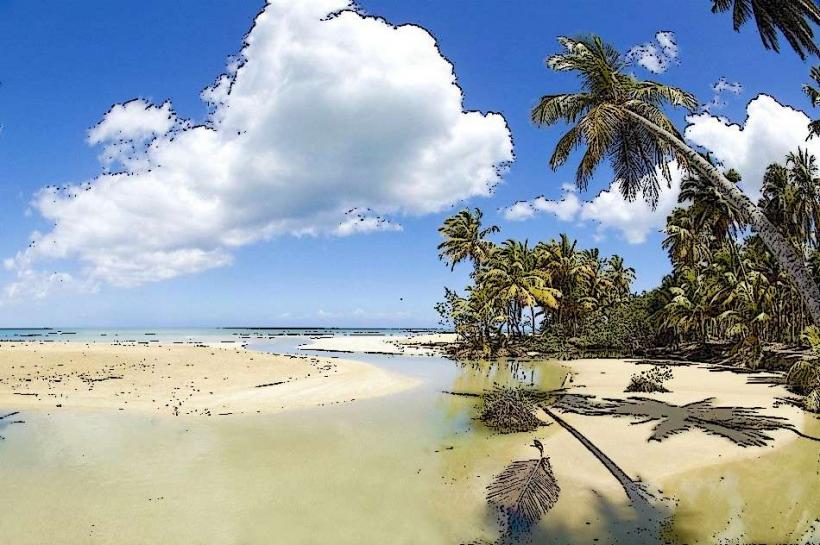
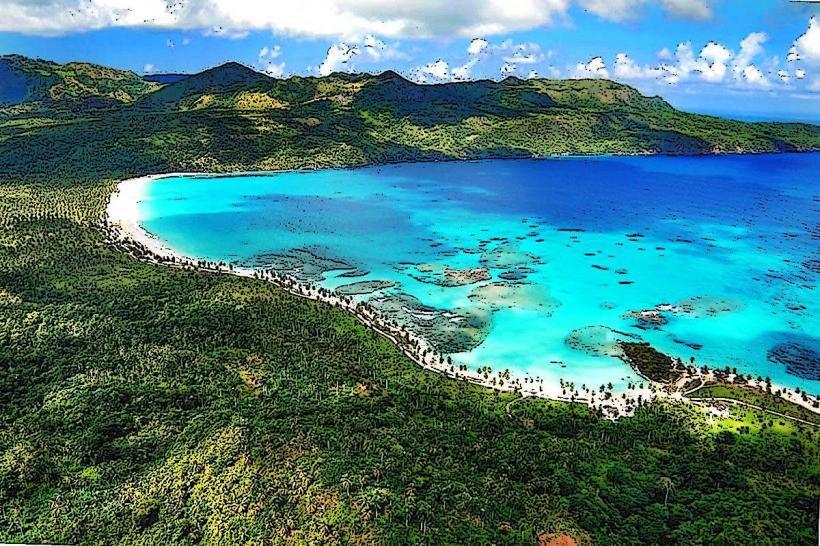
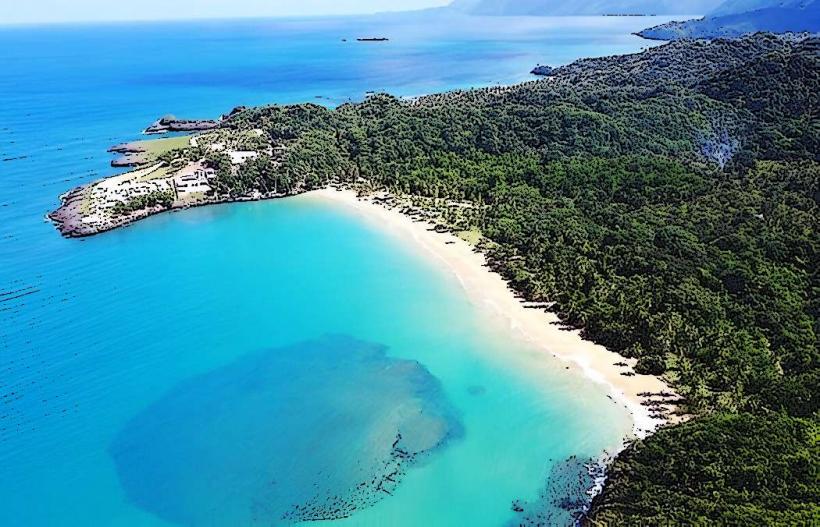
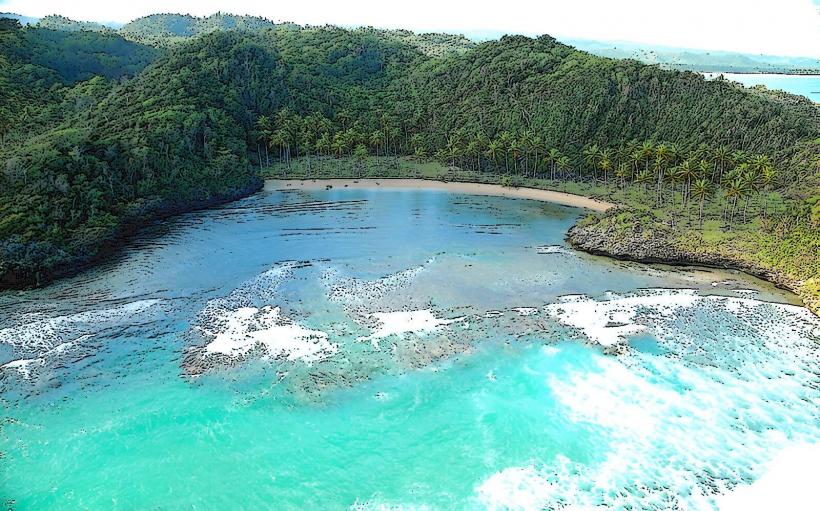
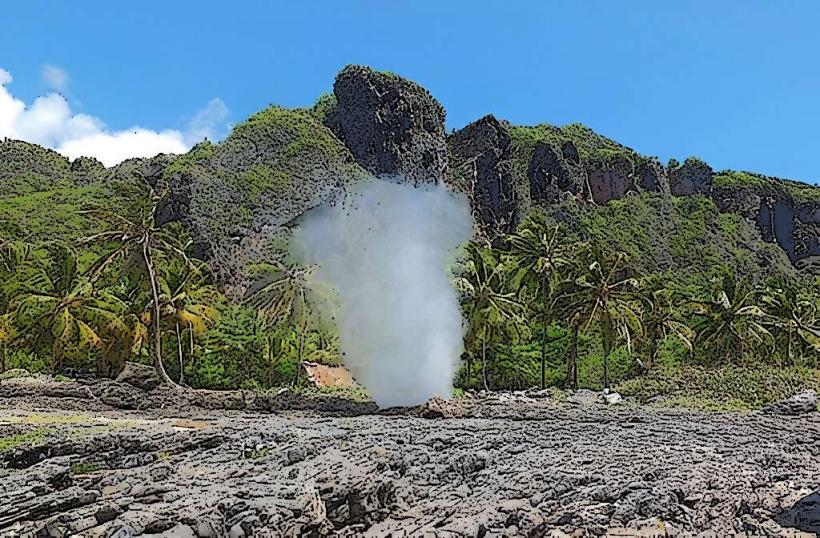
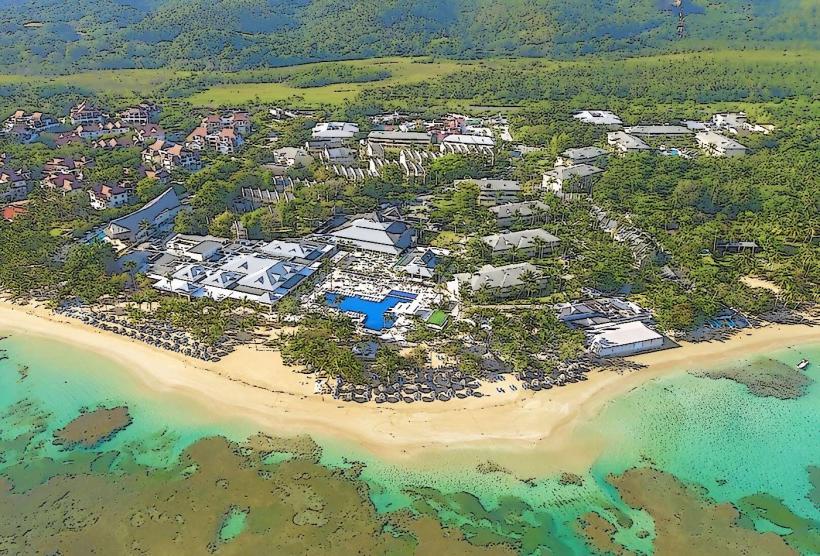
The bay's waters range from clear turquoise near the shorelines to deeper blue in its central expanse. Its coastline is irregular, characterized by stretches of sandy beaches, rocky outcrops, and dense mangrove forests. The surrounding land is covered with tropical vegetation, including numerous coconut palms and broadleaf trees. Several small islands are located within the bay, with Cayo Levantado being the most prominent.
Location & Access Logistics
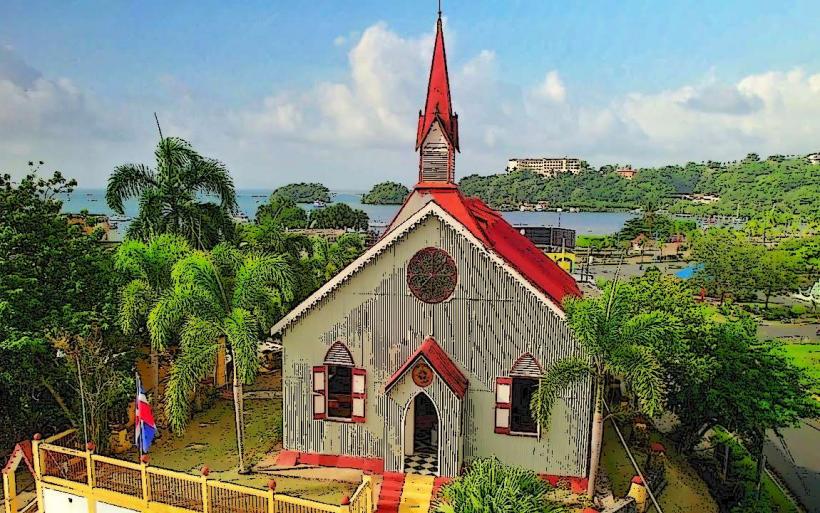
Samana Bay is directly accessible from the city of Samana, which serves as a primary departure point for bay excursions. The DR-5 highway provides road access to Samana city from other parts of the peninsula. Limited street parking is available in Samana city, with designated parking areas near the main pier for tour operators. Local minibuses, known as guaguas, operate throughout the Samana Peninsula. Boat transfers and tours depart regularly from the Samana pier, providing direct access to various points within the bay.
Historical & Ecological Origin
Ecologically, Samana Bay is a critical marine ecosystem, primarily known for being a calving and breeding ground for North Atlantic humpback whales during winter months. Its geological formation is a result of tectonic and erosional processes that shaped the Samana Peninsula over millions of years, creating a sheltered, deep-water bay ideal for marine life.
Key Highlights & Activities
Whale watching tours are a primary activity, operating from mid-January to late March. Boat excursions to Cayo Levantado, also known as Bacardi Island, are available daily. Kayaking and paddleboarding are possible in the calmer, sheltered sections of the bay. Fishing charters can be arranged from Samana city. Swimming is available at various beaches located along the bay's perimeter.
Infrastructure & Amenities
Restroom facilities are available at tour operator offices in Samana city, on Cayo Levantado, and at various waterfront restaurants. Natural shade is provided by trees on many beaches, and tour boats typically offer covered seating areas. Cell phone signal, including 4G and 5G, is generally available in Samana city and the more populated areas of the bay, though it may be intermittent in remote sections. Numerous restaurants and street food vendors are present in Samana city and on Cayo Levantado.
Best Time to Visit
The optimal period for whale watching is from mid-January to late March. For general activities and favorable weather conditions, the months of December through April offer drier and cooler temperatures. Early morning or late afternoon provides the best light for photography across the bay's waters.
Facts & Legends
Christopher Columbus made his final stop in the Americas near Samana Bay in 1493, where he encountered the indigenous Ciguayo people before returning to Spain. The bay was historically a strategic location, serving as a refuge for pirates and a point of interest for various colonial powers due to its natural harbor and sheltered waters.
Nearby Landmarks
- Samana City Malecón: 0km West
- Bridge to Nowhere (Puente Peatonal): 0.5km West
- Playa Anadel: 2km East
- Cayo Levantado: 5km East