Information
Landmark: Whale Watching ExcursionsCity: Samana
Country: Dominican Republic
Continent: North America
Whale Watching Excursions, Samana, Dominican Republic, North America
Whale watching excursions in Samaná, Dominican Republic, focus on observing humpback whales in their breeding grounds. These tours depart primarily from the Samaná Bay area.
Visual Characteristics
Humpback whales (Megaptera novaeangliae) are typically dark grey or black with white undersides, reaching lengths of 12-16 meters and weighing up to 40 tons. Excursions offer views of their distinctive dorsal fins, flukes, and behaviors such as breaching or tail slapping against the blue-green waters of the bay. Tour boats are generally catamaran or monohull vessels, ranging from 15 to 30 meters in length, often painted white or blue.
Location & Access Logistics
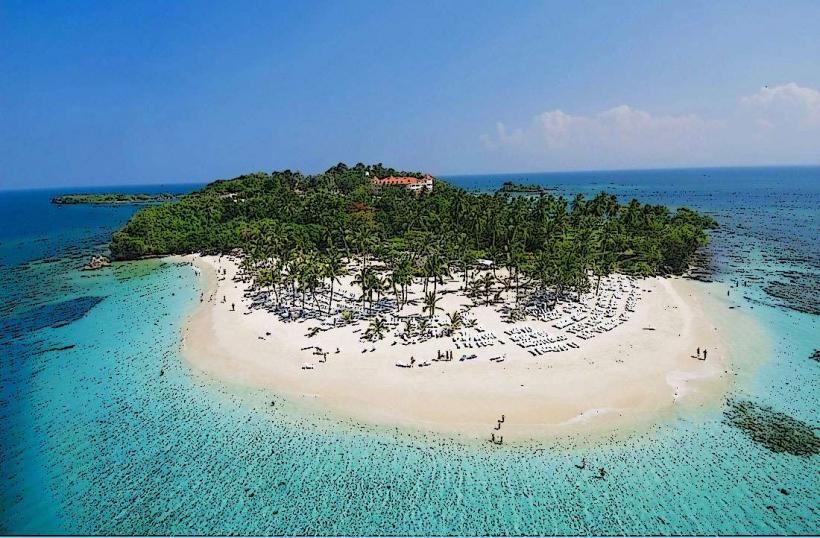
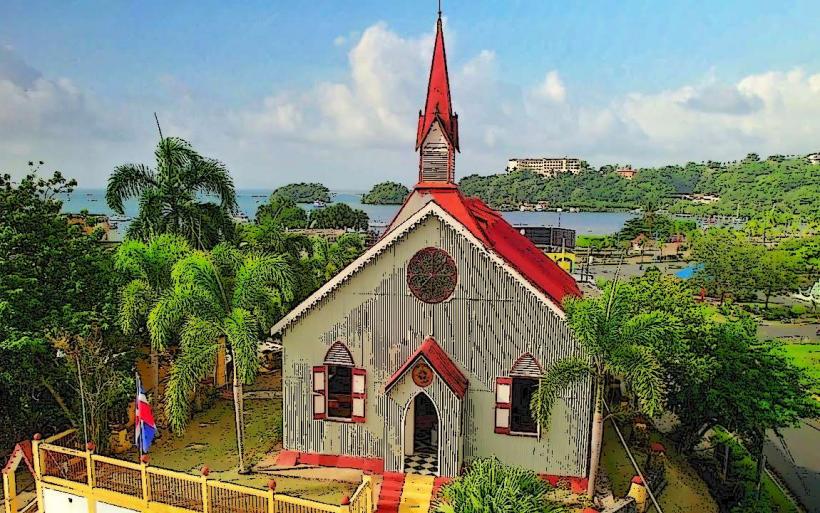
Excursions depart from multiple points, primarily the Samaná Port in Santa Bárbara de Samaná and Cayo Levantado. The Samaná Port is located directly in the city center, accessible by local taxis or walking. Parking is available near the port area, often in designated lots or street parking. Public transport within Samaná consists of motoconchos (motorcycle taxis) and guaguas (shared vans). Boat transfers are the sole method of reaching whale observation areas in the bay, which are typically within the designated Santuario de Mamíferos Marinos.
Historical & Ecological Origin
The annual migration of North Atlantic Humpback Whales to Samaná Bay for breeding and calving has been observed for centuries. This area is a critical winter sanctuary for the species, with the first formal protections established in 1986, leading to the creation of the Santuario de Mamíferos Marinos de la Bahía de Samaná (Marine Mammal Sanctuary of Samaná Bay). Whales travel approximately 2,500 km from their feeding grounds in the North Atlantic to these warm, shallow waters.
Key Highlights & Activities
Visitors participate in guided boat tours to observe humpback whales. Activities include listening to whale songs via hydrophones, photographing whale behaviors such as breaching, tail slapping, and spyhopping, and learning about marine conservation from onboard naturalists. Boats maintain a regulated distance from whales (typically 50-100 meters) to minimize disturbance, as mandated by sanctuary rules.
Infrastructure & Amenities
Tour boats typically provide shaded seating, life vests, and onboard restrooms. Some larger vessels offer snack bars with non-alcoholic beverages. Cell phone signal (4G) is generally available near the coast and within Samaná Bay, but can be intermittent further offshore. Food vendors and small shops are present at departure points in Samaná Port and on Cayo Levantado.
Best Time to Visit
The whale watching season runs from mid-January to late March. The best time of day for observation is typically morning, when sea conditions are often calmer, improving visibility and passenger comfort. Calm seas are preferred for optimal viewing. High tide does not significantly impact whale observation, as whales are present throughout the bay's depths.
Facts & Legends
Each humpback whale's fluke (tail fin) has a unique pattern of white and black markings, similar to a human fingerprint, used by researchers for individual identification. The male humpback whale's song is the longest and most complex in the animal kingdom, lasting up to 20 minutes and repeated for hours. Local fishermen sometimes refer to the whales as "gigantes del mar" (giants of the sea), believing their presence ensures a bountiful fishing season.
Nearby Landmarks
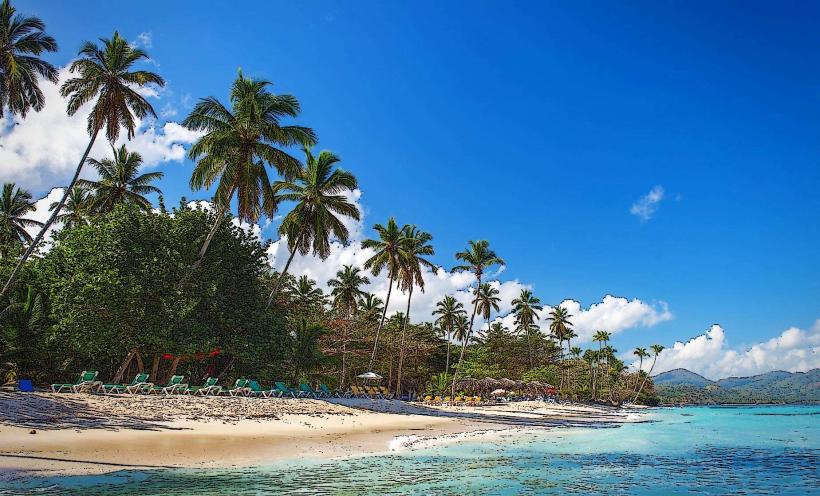
- Cayo Levantado: 7km East
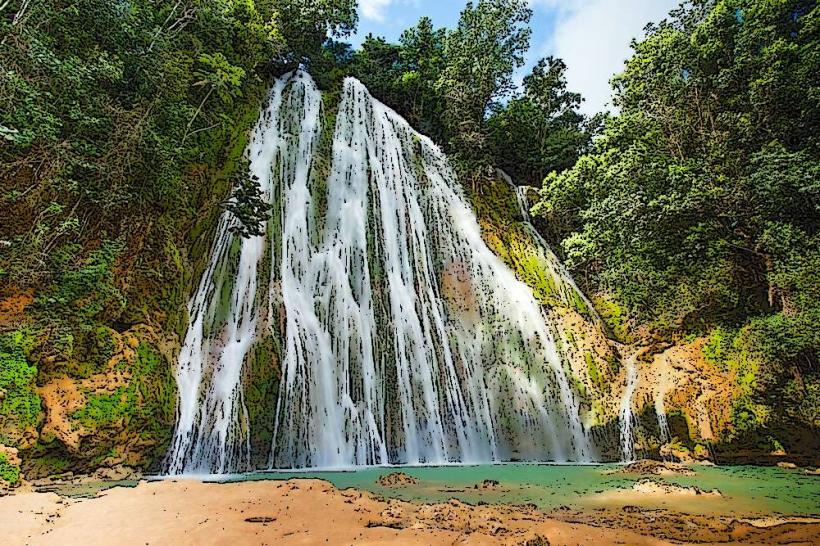
- El Salto del Limón: 15km West
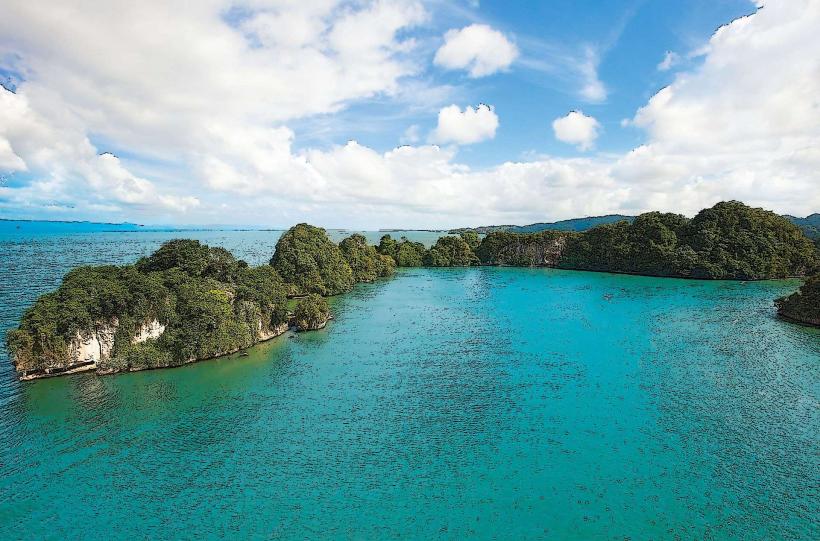
- Los Haitises National Park: 25km Southwest
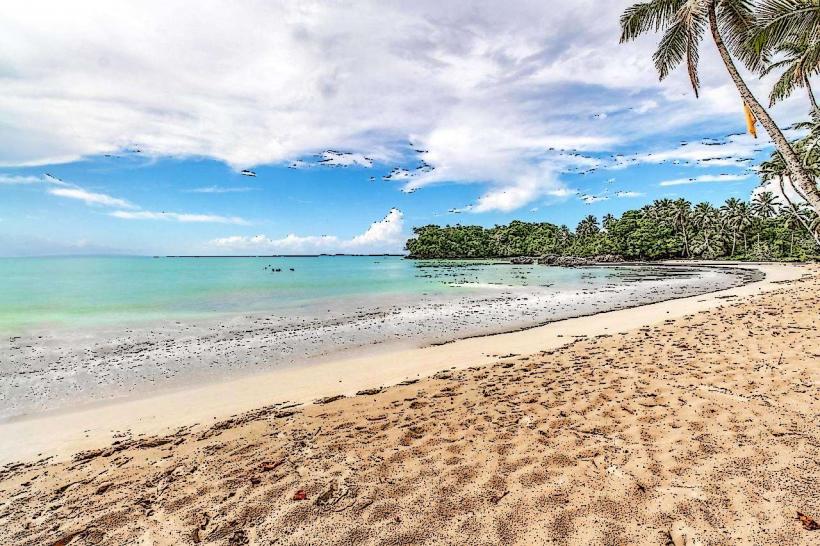
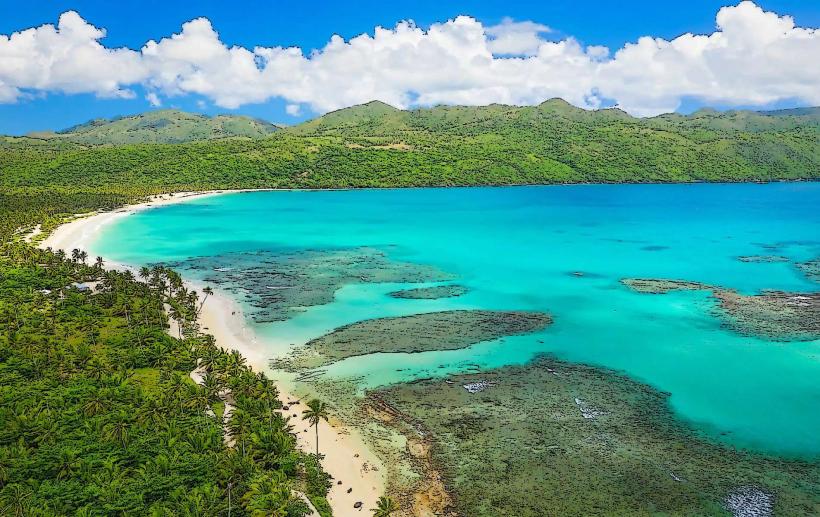
- Playa Rincón: 20km Northeast
- Bridge to Nowhere (Puente de Samaná): 0.5km North