Information
Landmark: SialumCity: Madang
Country: Papua New Guinea
Continent: Australia
Sialum, Madang, Papua New Guinea, Australia
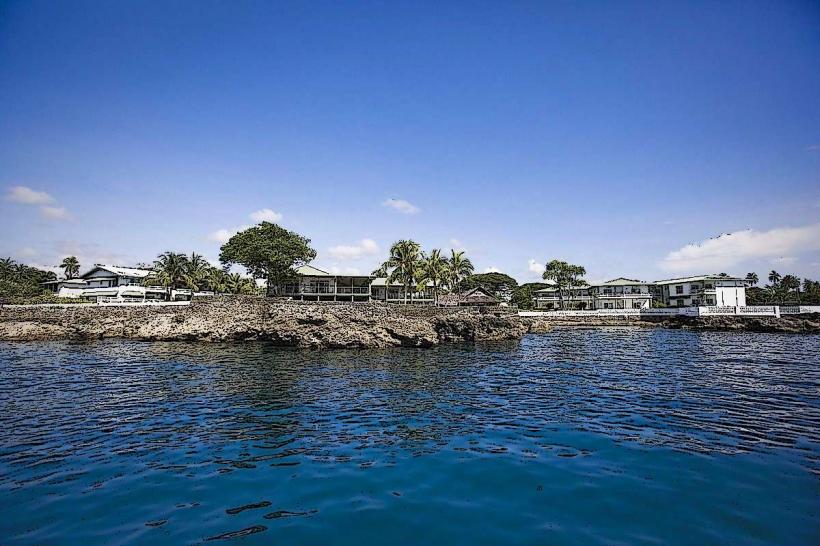
Sialum is a small village located in the Madang Province of Papua New Guinea, situated along the northern coast of the island. It lies in the Sialum District, which is part of the Ramu River Basin area. Sialum is known for its natural beauty, traditional culture, and relatively remote location, providing a peaceful environment and opportunities for those seeking to experience life in a more rural part of Papua New Guinea.
Geography and Location
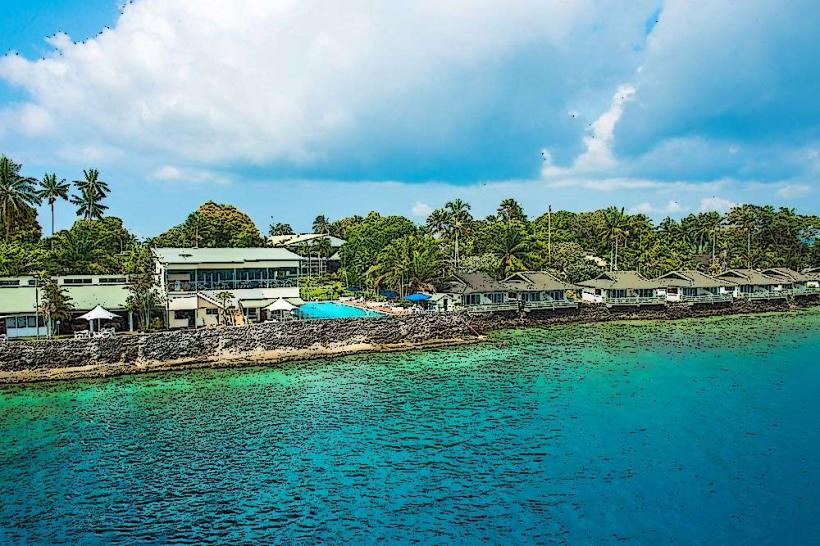
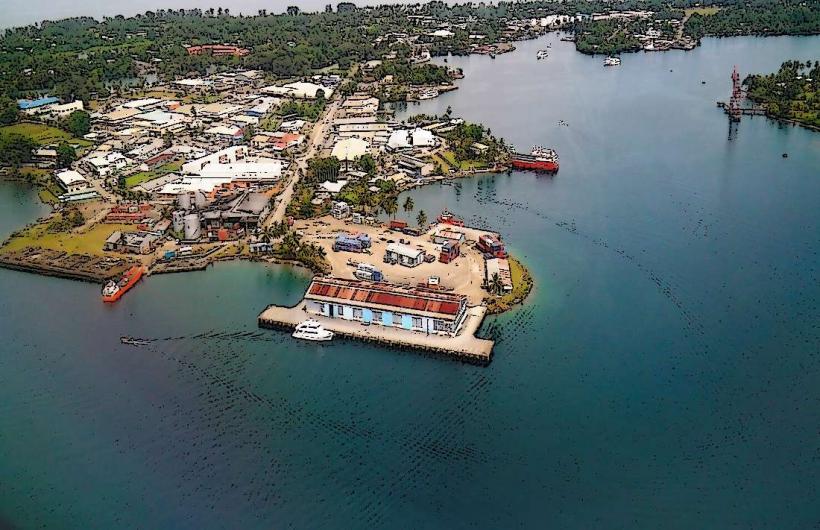
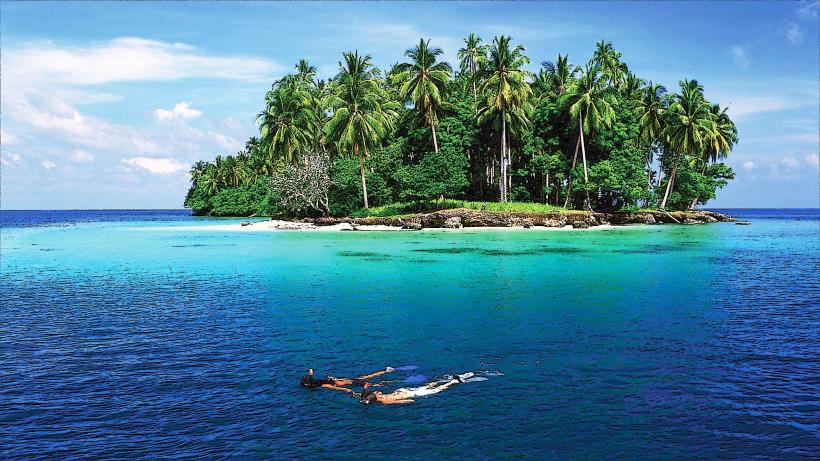
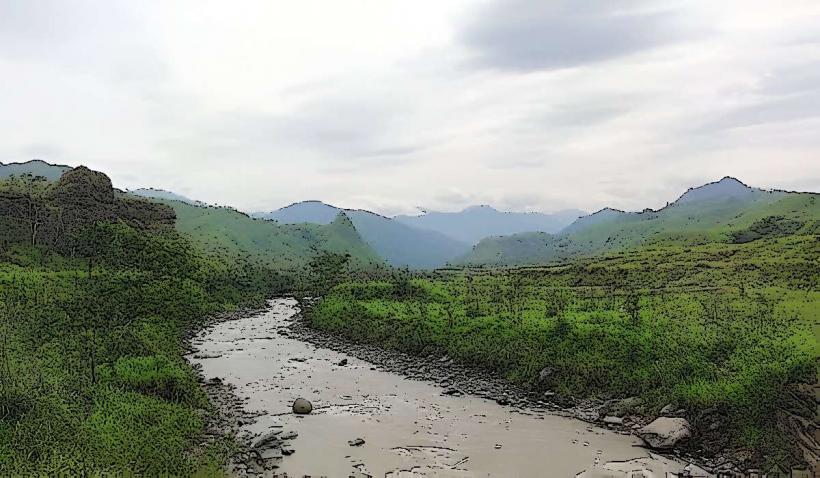
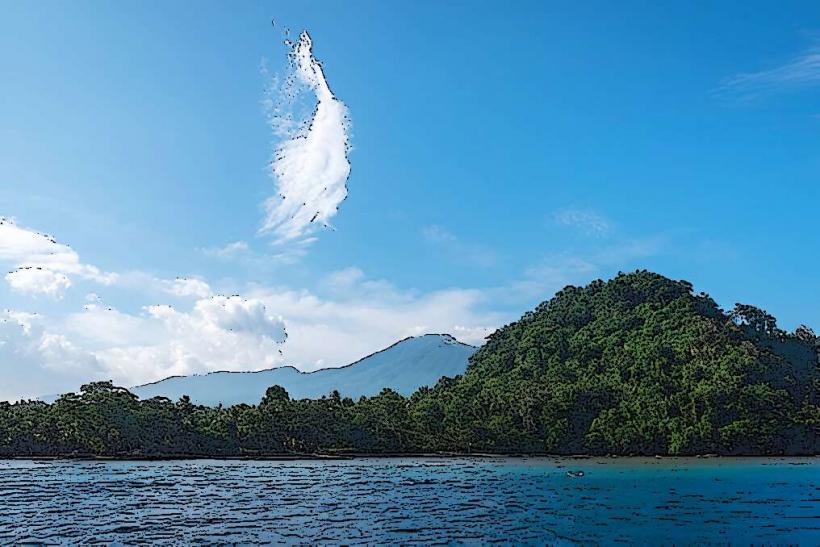
Sialum is positioned along the Bismarck Sea and is accessible by boat from nearby towns, such as Madang. The village is situated in a tropical environment, surrounded by dense forests, mountains, and the fertile floodplains of the Ramu River. The area's proximity to the river and the sea provides the village with access to natural resources like freshwater, fish, and agricultural land.
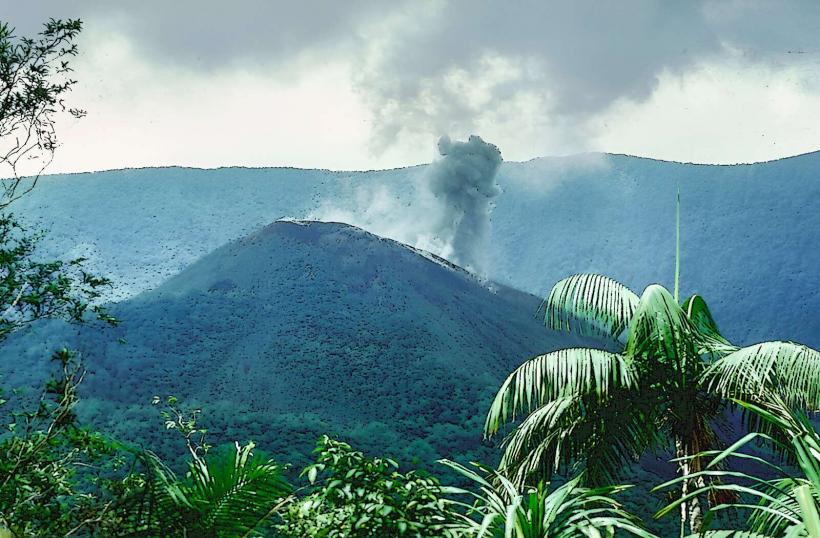
While Sialum is a small and relatively remote village, it is part of a larger network of communities along the northern coast of Madang Province. The region is rich in natural beauty, with breathtaking landscapes, dense rainforests, and a wealth of biodiversity.
Culture and Traditions
Like many other villages in the region, Sialum is home to indigenous communities that maintain traditional customs and practices. The local population speaks several languages, with Sialum being the main dialect of the village. The people of Sialum are known for their strong connection to the land and their traditional way of life, which revolves around subsistence farming, fishing, and hunting.
Traditional Lifestyle: The residents of Sialum depend on agriculture for their livelihood, growing crops such as sweet potatoes, yams, coconut, banana, and cassava. Fishing and hunting are also important activities for the community, with the surrounding waters and forests providing ample resources. Villagers use traditional methods for farming and fishing, with some modern tools being used alongside customary techniques.
Cultural Practices: Sialum is known for its cultural events and traditional ceremonies, which are an important part of community life. These ceremonies often involve dances, music, and the sharing of food and resources. Cultural identity is strongly tied to the environment, and many of the local customs are centered around the land, sea, and river that sustain the community.
Community and Social Structure: In Sialum, the social structure is typically organized around extended families and clan systems, which are fundamental to the culture. Elders play a key role in decision-making and the passing down of knowledge and traditions to younger generations.
Economy and Livelihood
The economy of Sialum is based on subsistence agriculture, fishing, and small-scale trading. The region's fertile land and access to the sea support local farming and fishing activities, while small trading and barter systems help facilitate the exchange of goods with neighboring villages.
Agriculture: The fertile volcanic soil in the region allows the cultivation of a variety of crops. People in Sialum grow food for their own consumption, as well as for sale in nearby markets. The agricultural output helps sustain the village’s population and contributes to local trade.
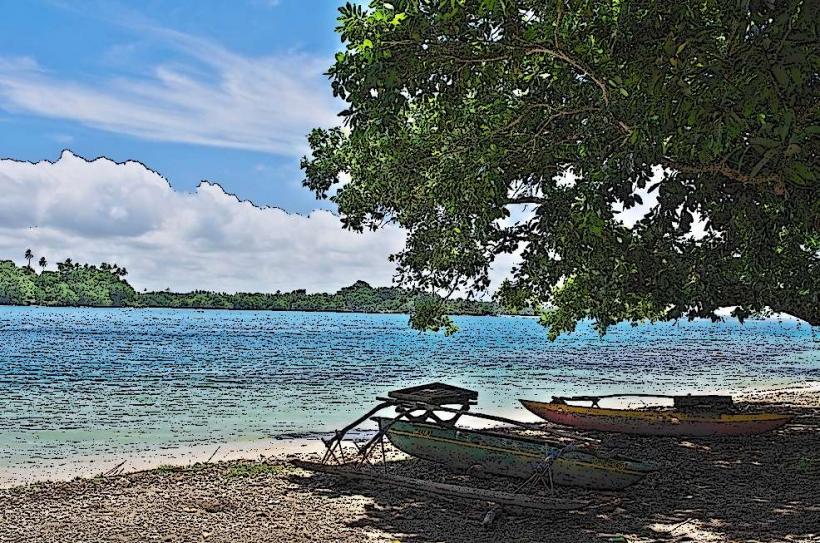
Fishing: Sialum's proximity to the sea means that fishing plays an essential role in the economy. The villagers fish in the Bismarck Sea and local rivers, providing fresh fish for both consumption and trade. Fishing techniques vary, with traditional methods such as nets, lines, and traps being used alongside more modern approaches.
Trade and Barter: In addition to farming and fishing, Sialum is involved in local trade networks with nearby villages and towns. Goods such as food, handicrafts, and fish are exchanged for other essential products like tools, clothing, and manufactured items. This barter-based economy helps sustain the village and maintain important social connections within the wider region.
Natural Environment and Ecological Significance
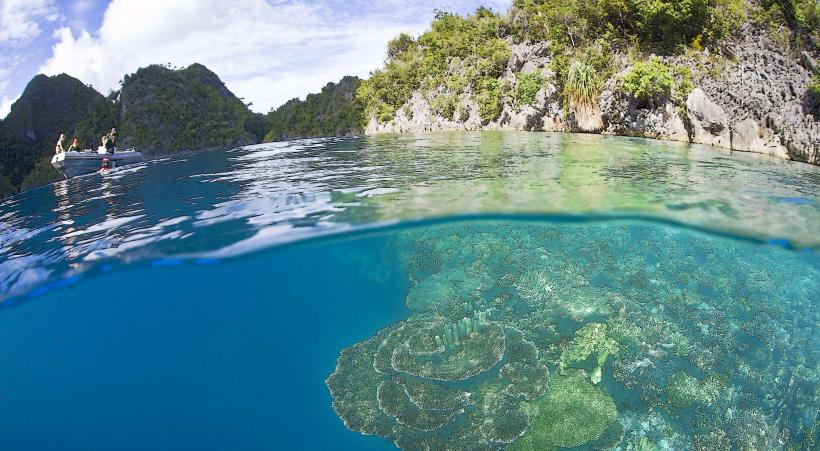
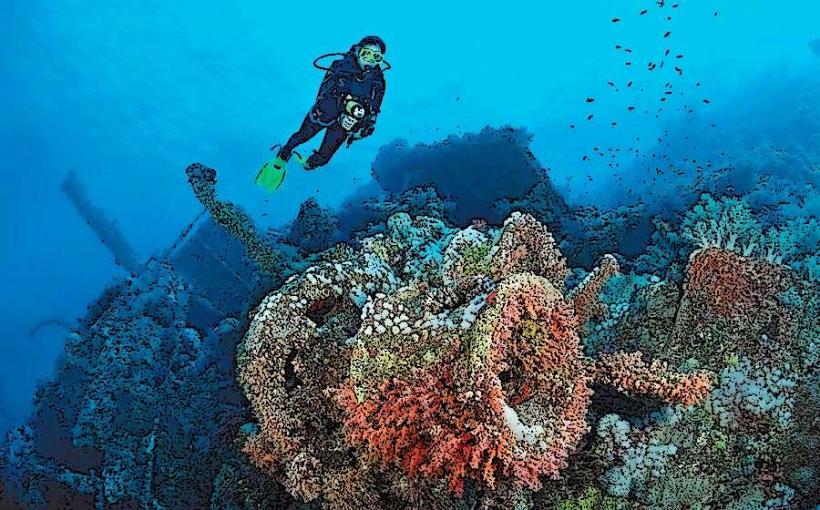
Sialum is located in a rich natural environment, with dense rainforests, rivers, and coastal areas that support a wide range of wildlife and plant species. The region’s ecosystems are important both for local livelihoods and for biodiversity conservation.
Rainforests and Wildlife: The forests around Sialum are home to diverse flora and fauna. The forests are rich in plant species, including various medicinal plants and timber resources. Wildlife in the area includes birds, marsupials, and reptiles. The forests also play a crucial role in the local community's traditional practices, as they provide materials for shelter, tools, and crafts.
Water Resources: Sialum is situated near the Ramu River and the Bismarck Sea, both of which provide essential water resources. The river, in particular, supports fishing and irrigation activities. The river and surrounding wetlands also help maintain the biodiversity of the area, creating an ideal habitat for a variety of species.
Conservation: Like many parts of Papua New Guinea, Sialum faces environmental pressures from modern development, including deforestation and land degradation. However, traditional knowledge and sustainable practices help maintain a balance with the environment. There have been efforts to promote conservation and sustainable land use in the region to preserve the natural beauty and resources of Sialum for future generations.
Access and Infrastructure
Sialum is a relatively remote village, with limited infrastructure and amenities. Access to the village is primarily by boat, though there are some roads connecting it to nearby towns. The lack of paved roads and other modern infrastructure means that transportation and communication can be challenging, especially during the rainy season.
While the village lacks some of the conveniences found in larger towns and cities, it is well connected to the wider region through informal trade routes and a strong sense of community.
Conclusion
Sialum is a picturesque village in Madang Province, offering a glimpse into the traditional lifestyle and culture of Papua New Guinea. Its location along the Bismarck Sea and the Ramu River provides residents with abundant natural resources, making agriculture, fishing, and hunting central to their way of life. The village is rich in natural beauty, cultural heritage, and ecological significance, with the surrounding landscapes offering a wealth of opportunities for sustainable living. Sialum represents the strong connection that many of Papua New Guinea's rural communities have to the land and sea, offering a unique insight into the nation's diverse cultural and environmental landscapes.