Information
Landmark: Södermalm DistrictCity: Stockholm
Country: Sweden
Continent: Europe
Södermalm District, Stockholm, Sweden, Europe
Södermalm is a large island and district located in central Stockholm, Sweden, characterized by its elevated terrain and diverse urban environment.
It functions as a significant residential, commercial, and cultural hub within the city.
Visual Characteristics
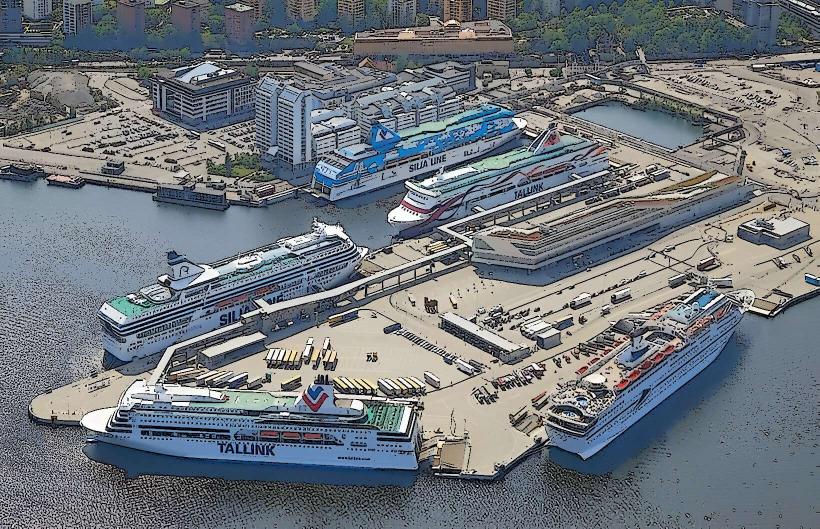
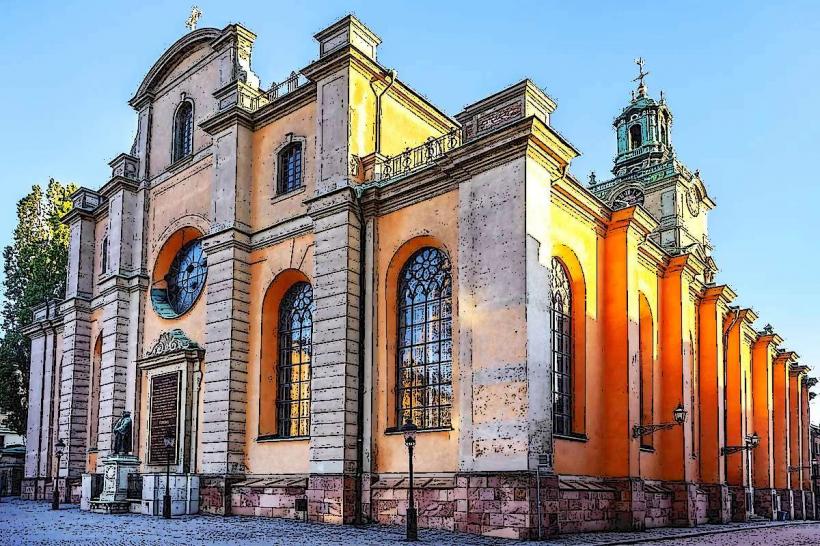
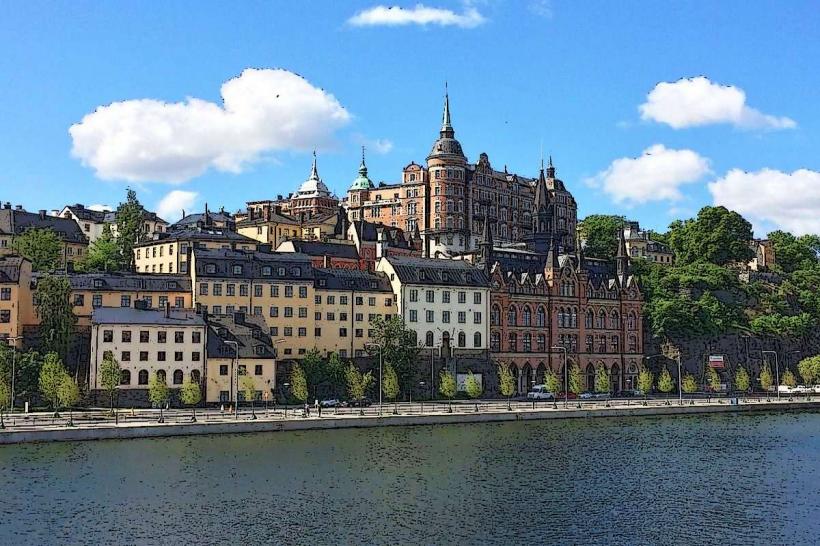
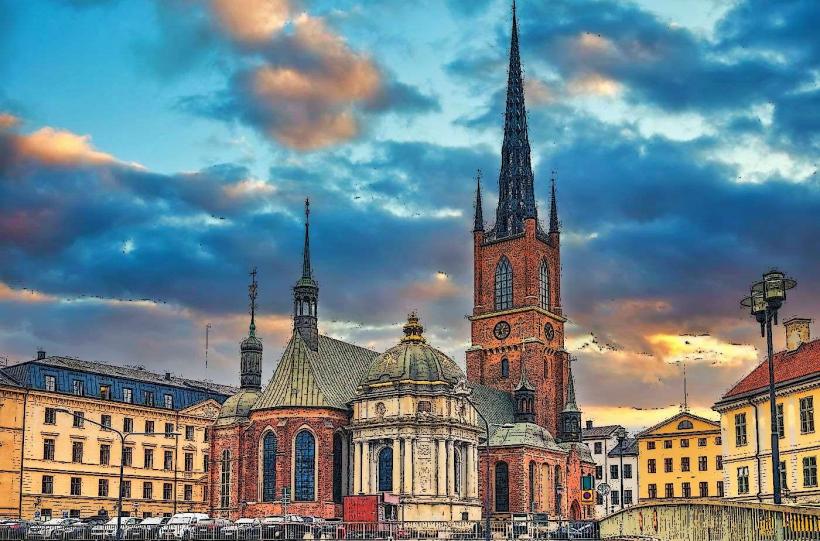
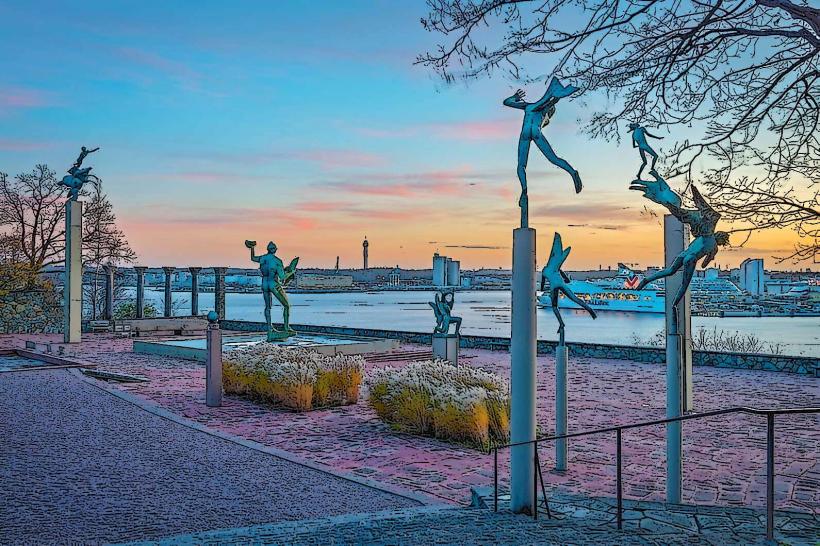
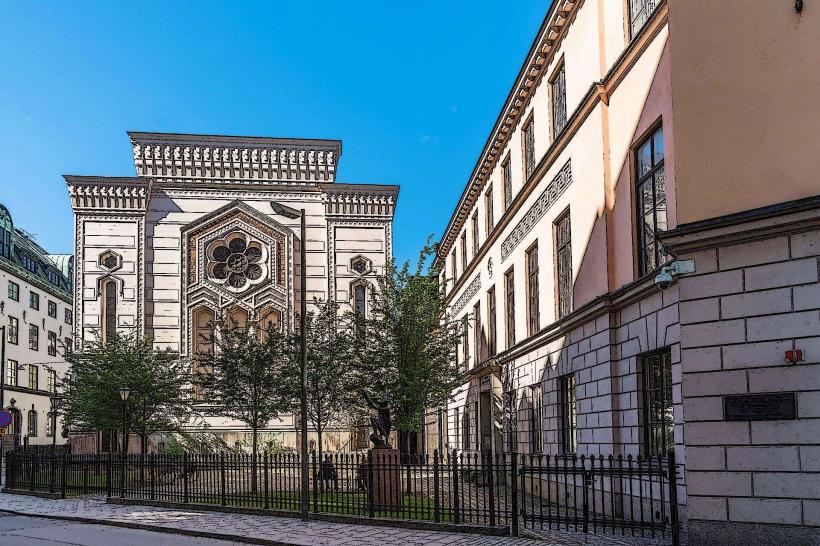
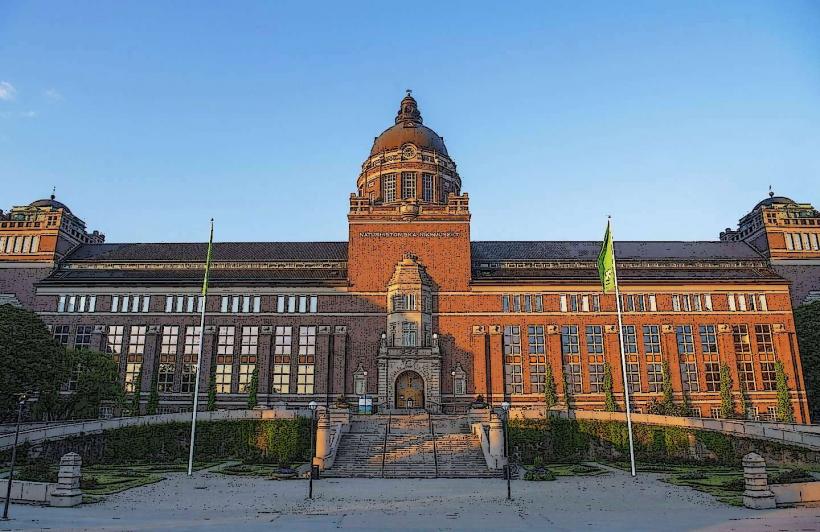
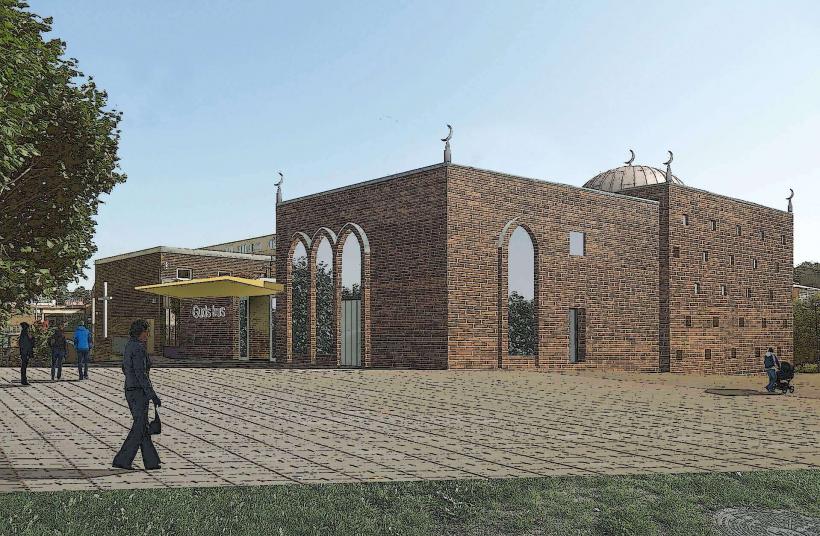
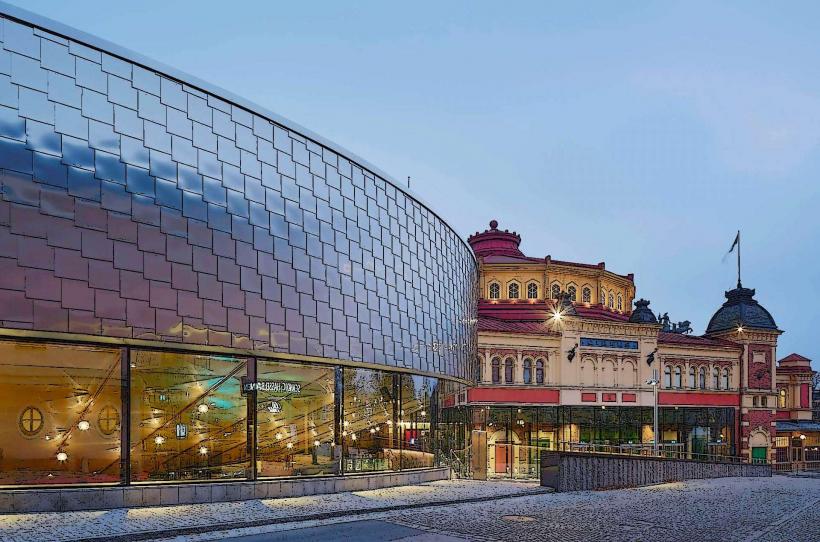
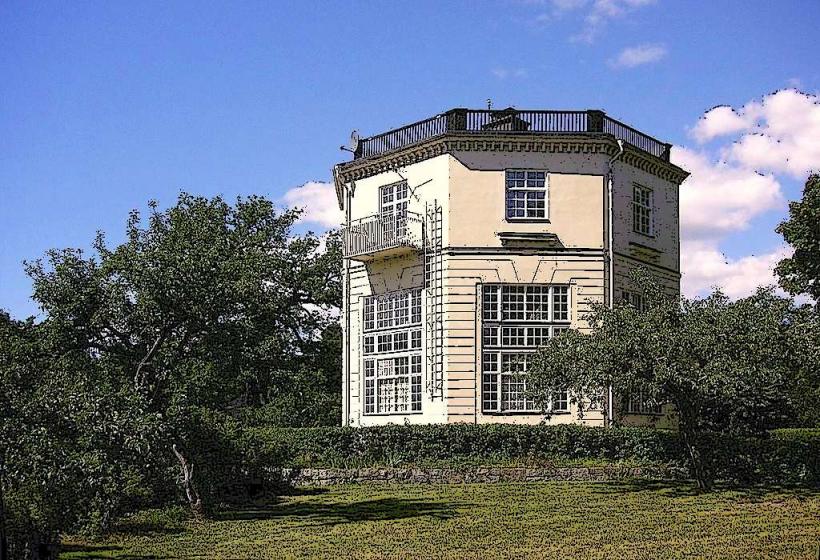
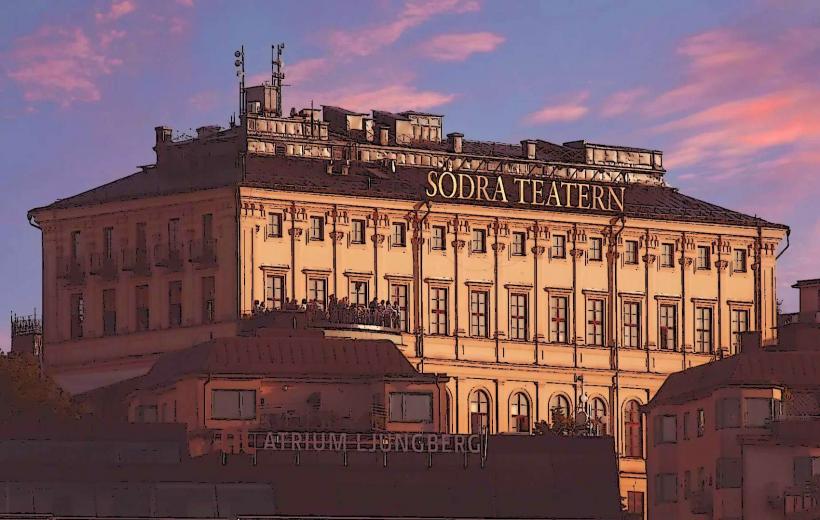
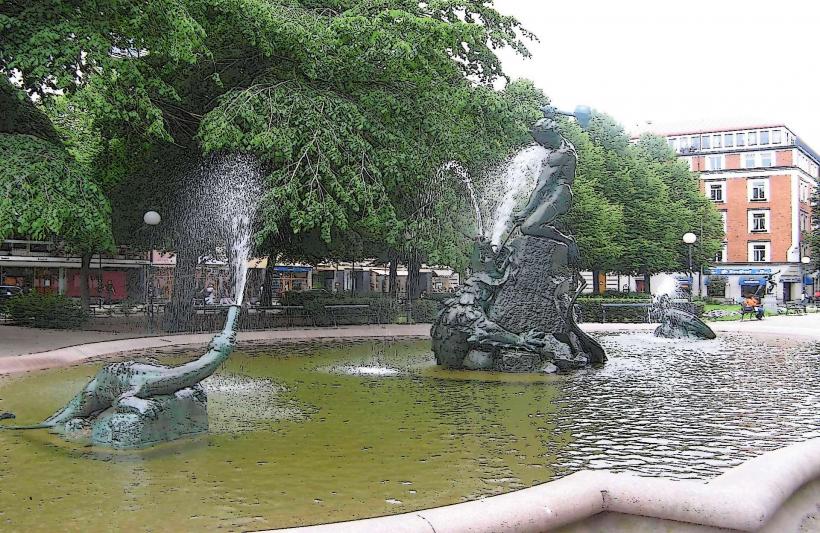
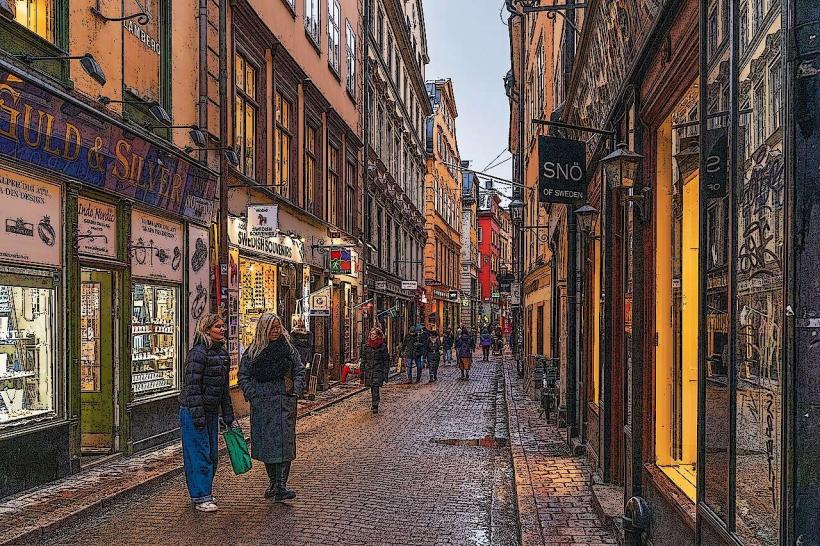
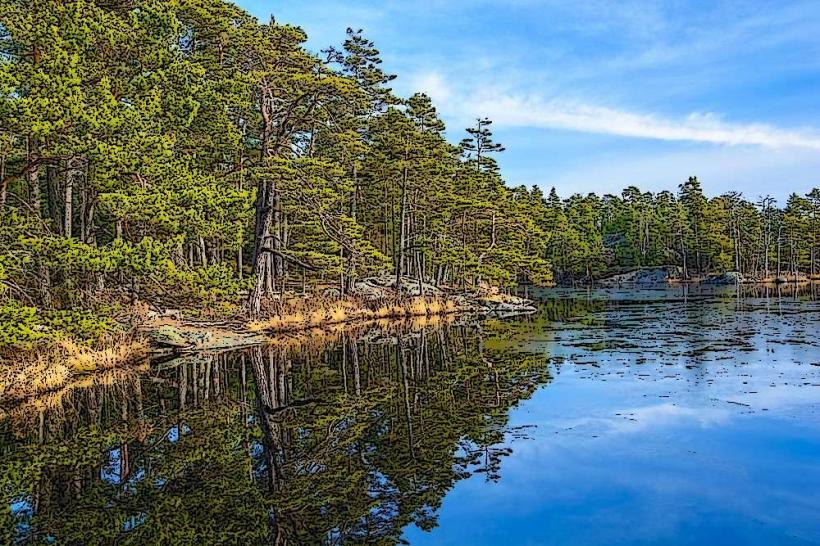
Södermalm features a varied topography, including steep cliffs along its northern and eastern edges, offering panoramic views over Lake Mälaren and the Saltsjön bay. The architecture is a mix of styles, ranging from preserved 17th and 18th-century wooden houses in areas like Nytorget and Mosebacke, to 19th and early 20th-century stone and brick apartment buildings. Modern structures are integrated, particularly around Slussen and Hammarby Sjöstad. Green spaces include parks such as Tantolunden and Vitabergsparken, providing open areas amidst the urban density.
Location & Access Logistics
Södermalm is centrally located, immediately south of Gamla Stan. It is connected to the city center by several bridges, including Slussen and Västerbron. From Stockholm Central Station, Södermalm is approximately 2km south. Public transport is extensive: the Stockholm Metro (T-bana) Green and Red lines serve multiple stations including Slussen, Mariatorget, Medborgarplatsen, and Skanstull. Numerous bus lines, such as 2, 3, 4, and 57, traverse the island. Parking is primarily street parking, which is metered, or in commercial garages like P-hus Slussen, with limited availability and varying costs.
Historical & Ecological Origin
Södermalm's origins trace back to the 13th century as rural land. By the 17th century, it developed into a working-class district, housing laborers and artisans, with early industrial activity. The district underwent significant urbanization in the 19th and 20th centuries, transforming from a predominantly industrial and working-class area into a more residential and cultural center. Its geological foundation consists primarily of Precambrian bedrock, typical of the Stockholm archipelago, with glacial deposits shaping its current elevated landforms.
Key Highlights & Activities
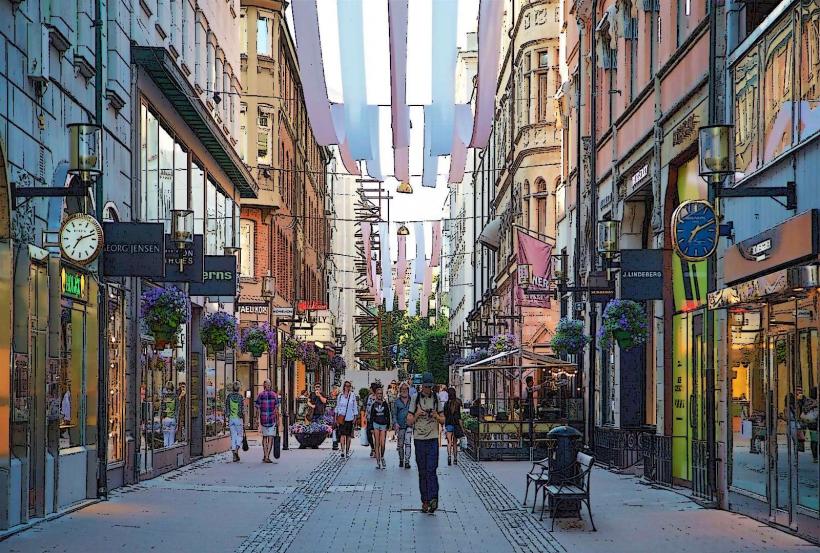
Visitors can walk along Monteliusvägen or Fjällgatan for elevated city views. The Fotografiska museum exhibits contemporary photography. Shopping is concentrated along Götgatan and around Medborgarplatsen. The SkyView gondola on the Ericsson Globe (Avicii Arena) offers panoramic views from a higher elevation, located on the southern edge of Södermalm. Recreational activities include strolling through Tantolunden park or visiting the open-air museum at Skinnarviksberget, Stockholm's highest natural point.
Infrastructure & Amenities
Södermalm is a fully developed urban district. Public restrooms are available in parks, shopping centers, and at metro stations. Shade is provided by trees in parks and along some streets, as well as by building overhangs. Cell phone signal (4G/5G) is consistently strong across the entire district. Numerous food vendors, restaurants, cafes, and grocery stores are widely distributed throughout Södermalm, catering to diverse culinary preferences.
Best Time to Visit
The best time to visit Södermalm for weather is during the summer months, from June to August, when temperatures are mild and daylight hours are extended. For photography, early morning or late afternoon (the "golden hour") provides optimal lighting for capturing the cityscapes from viewpoints like Monteliusvägen and Fjällgatan. Specific tidal requirements are not applicable as Södermalm is an island within a freshwater/brackish water system.
Facts & Legends
A local legend recounts that the area around Mariaberget was once believed to be haunted by the ghost of a woman named "Vita Frun" (The White Lady), who would appear to warn sailors of impending storms. A verified historical oddity is the Katarinahissen, an elevator first opened in 1883, which provided a shortcut between Slussen and the elevated streets of Södermalm, offering a unique perspective of the harbor. A specific tip for visitors is to explore the small, preserved wooden houses in the Mosebacke and Nytorget areas, which offer a glimpse into 18th-century Stockholm architecture.
Nearby Landmarks
- Gamla Stan (Old Town) - 0.5km North
- Royal Palace - 0.8km North
- Vasamuseet - 2.5km Northeast
- Kungsträdgården - 1.5km North
- Djurgården - 2.0km Northeast