Information
Landmark: Souk of ChefchaouenCity: Chefchaouen
Country: Morocco
Continent: Africa
Souk of Chefchaouen, Chefchaouen, Morocco, Africa
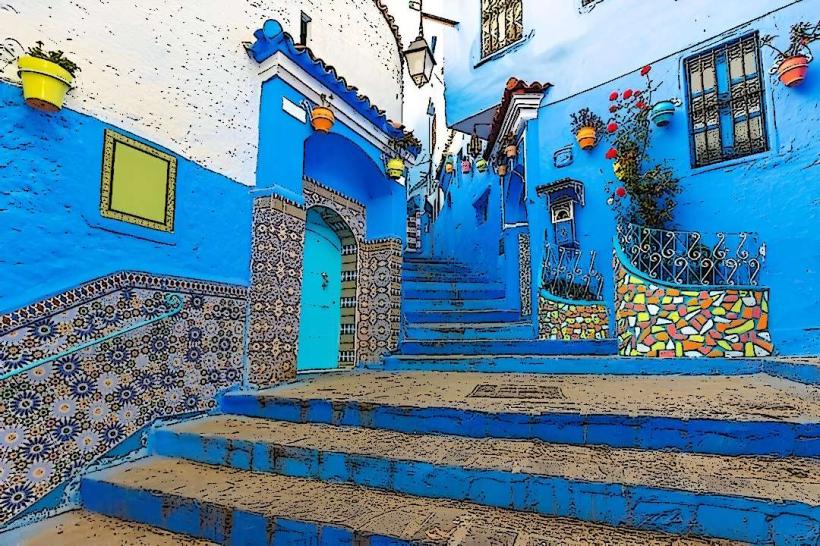
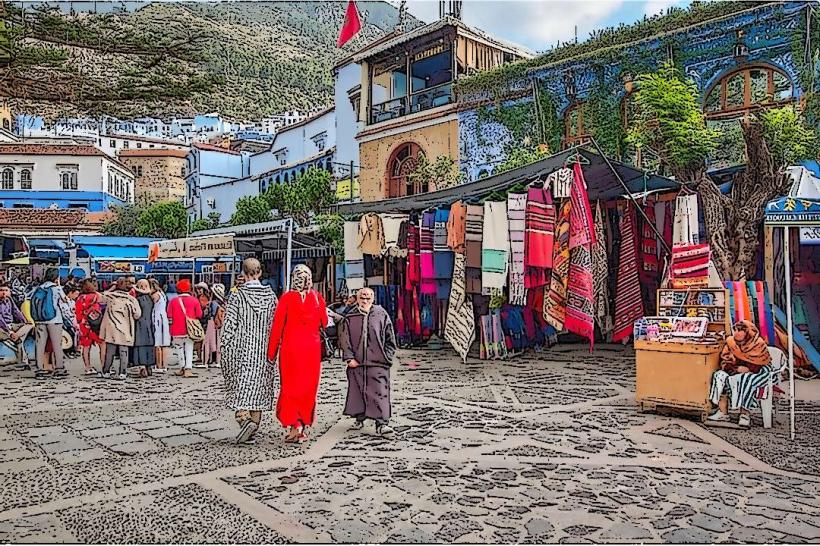
The souk of Chefchaouen is one of the most atmospheric and visually captivating traditional markets in Morocco. Nestled in the winding alleys of the blue-washed medina, this souk is not only a place for commerce but a cultural experience that blends Andalusian charm with Rif mountain traditions.
Here’s a detailed exploration of the souk:
Setting and Atmosphere
The souk is not a single enclosed space but rather a network of narrow streets and alleyways that form the commercial heart of the medina.
Everything is painted in varying shades of blue, giving the market a dreamlike, peaceful quality. The calming color, combined with the scent of herbs, spices, and traditional food, creates an unforgettable sensory experience.
The pace is more relaxed than in the larger, more hectic souks of Fes or Marrakech. Vendors are generally friendly and less aggressive, making browsing much more enjoyable.
What You’ll Find in the Souk
Chefchaouen’s souk is known for its handcrafted goods and local artisanal products, many of which are unique to the region.
Textiles and Wool Products
Woven blankets, scarves, and shawls made from local wool, often dyed in natural colors.
Hand-embroidered djellabas (traditional Moroccan robes) and Berber-style tunics.
Woolen rugs and carpets, usually smaller than those from southern Morocco, with simple geometric designs.
Leather Goods
Chefchaouen is known for handmade leather bags, slippers (babouches), belts, and wallets, often tanned with traditional methods and sold in tiny, cave-like shops.
The leather here is often dyed naturally, and the goods are of high quality but less commercialized than in larger cities.
Ceramics and Pottery
Brightly colored bowls, plates, and tagines are made with Andalusian-style patterns.
Locally produced pottery is often sold directly by the artisans.
Wood and Metalwork
Carved wooden boxes, utensils, and decorative items made from cedarwood.
Lamps, candleholders, and trays in brass and copper, featuring delicate cutout patterns.
Natural Products and Spices
Olive oil, goat cheese (a local specialty), honey, and herbal teas like verbena and mint.
Spices such as cumin, paprika, saffron, and ras el hanout in colorful, fragrant pyramids.
Argan oil and rosewater are available in small shops, though argan is more typical of southern Morocco.
Traditional Remedies and Dyes
Natural indigo dye, used for coloring fabric and symbolic in local culture.
Herbal remedies, black soap, ghassoul (clay), and handmade beauty products.
Cultural Touches and Local Color
You’ll see Berber women from the surrounding mountains selling homegrown herbs and vegetables in traditional red-striped shawls and straw hats decorated with pom-poms.
Street musicians and storytellers occasionally perform in the square or tucked into corners of the souk.
Many of the goods are made by local cooperatives, helping support the rural communities around Chefchaouen.
Shopping Experience
Bargaining is common but more low-key than in cities like Marrakech. Shopkeepers are generally respectful and willing to chat about their products.
Many sellers speak Spanish and French, with some basic English as well, especially in tourist-frequented areas.
Prices are reasonable, especially for handmade and high-quality items, but it's always worth negotiating respectfully.
Plaza Uta el-Hammam and Surroundings
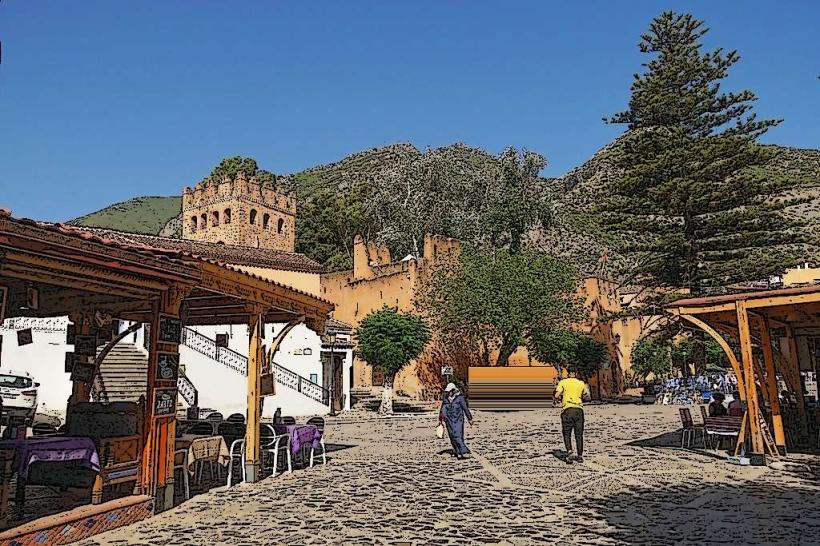
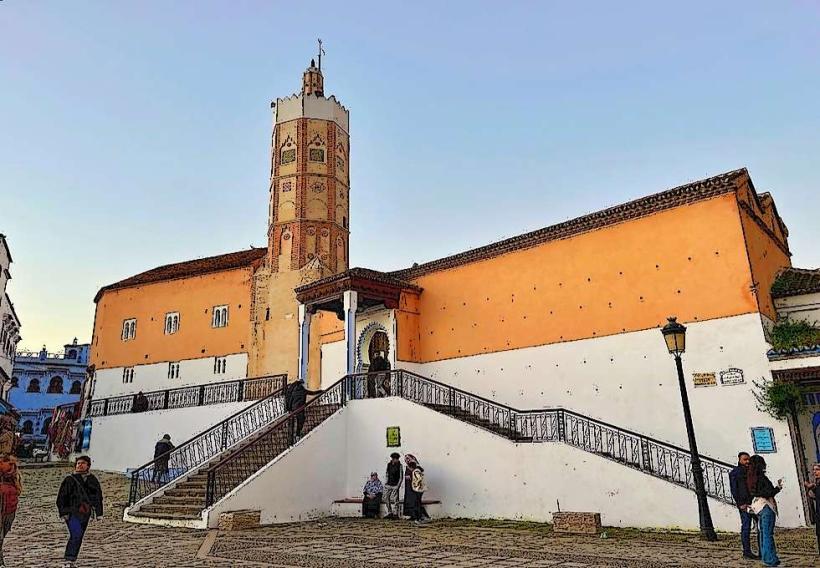
The souk radiates out from Plaza Uta el-Hammam, the central square of the medina. The plaza is surrounded by cafés, the Grand Mosque, and the Kasbah. From there, you can wander in any direction and find smaller, quieter alleyways filled with hidden shops and artisans.
When to Visit
Morning and early afternoon are the best times to explore the souk before it gets crowded.
The souk operates every day, but Fridays are quieter due to the main prayer at the mosque.
In the early evening, the light in the blue streets is particularly beautiful and ideal for photography.
The souk of Chefchaouen is more than just a market-it’s an expression of the region’s identity. It’s a place to connect with local crafts, admire the artistry of the Rif people, and experience a slower, more soulful version of Moroccan market life. Whether you're shopping or simply soaking in the sights and sounds, it’s one of the highlights of any visit to Chefchaouen.