Information
Landmark: Stanley ParkCity: Vancouver
Country: Canada
Continent: North America
Stanley Park, Vancouver, Canada, North America
Stanley Park is a 400-hectare public park located on the northern waterfront of Vancouver, British Columbia, Canada.
It is a protected temperate rainforest and a significant urban green space.
Visual Characteristics
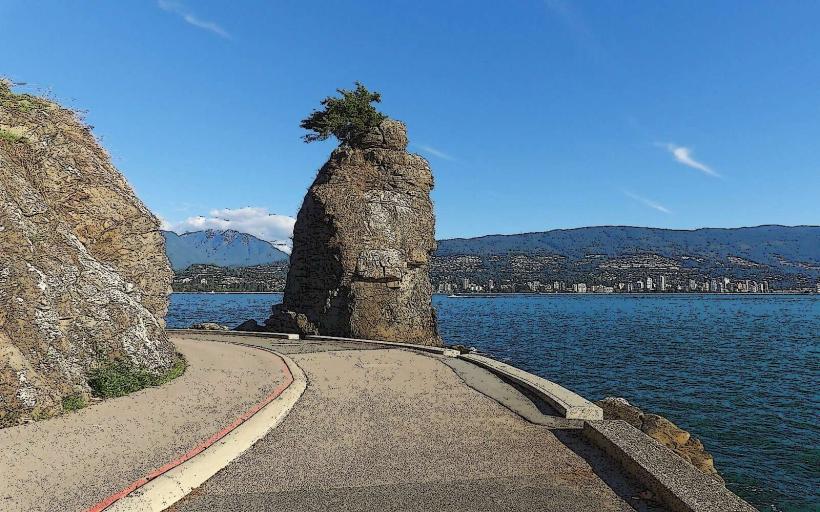
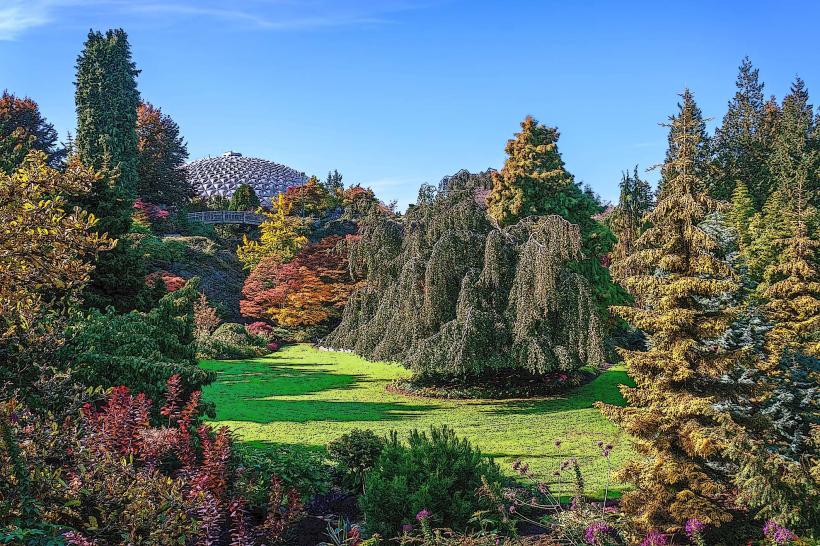
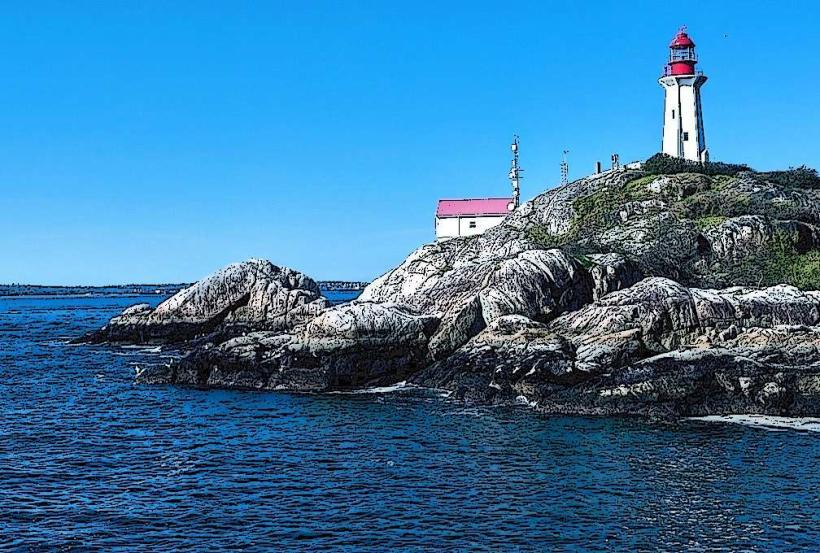
The park features dense coniferous forest, primarily Douglas fir, Western red cedar, and Sitka spruce. The coastline is characterized by rocky outcrops and sandy beaches. The seawall, a paved pathway, encircles much of the park's perimeter. Within the park, there are several freshwater lakes, including Lost Lagoon and Beaver Lake.
Location & Access Logistics
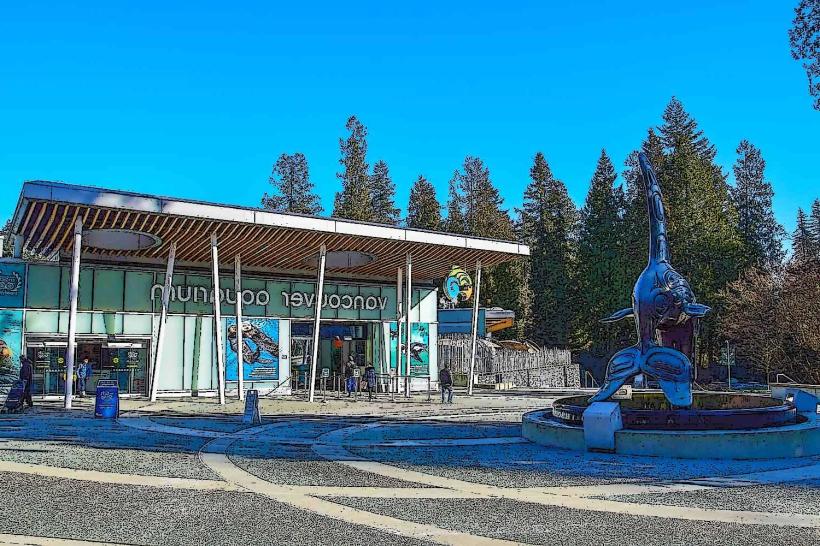
Stanley Park is situated at the northwest end of downtown Vancouver. Access is via Georgia Street, which becomes Stanley Park Causeway. The park is approximately 2km from the central business district. Ample paid parking is available at various lots throughout the park, including near the Vancouver Aquarium and Prospect Point. Public transport options include TransLink bus routes 19 and 23, which stop at park entrances and key locations within the park.
Historical & Ecological Origin
Stanley Park was established in 1888 and named after Lord Stanley, then Governor General of Canada. It was designated a federal and provincial heritage site in 1988. Ecologically, it is a remnant of the old-growth temperate rainforest that once covered the Pacific Northwest coast. The park's topography is a result of glacial activity and subsequent erosion.
Key Highlights & Activities
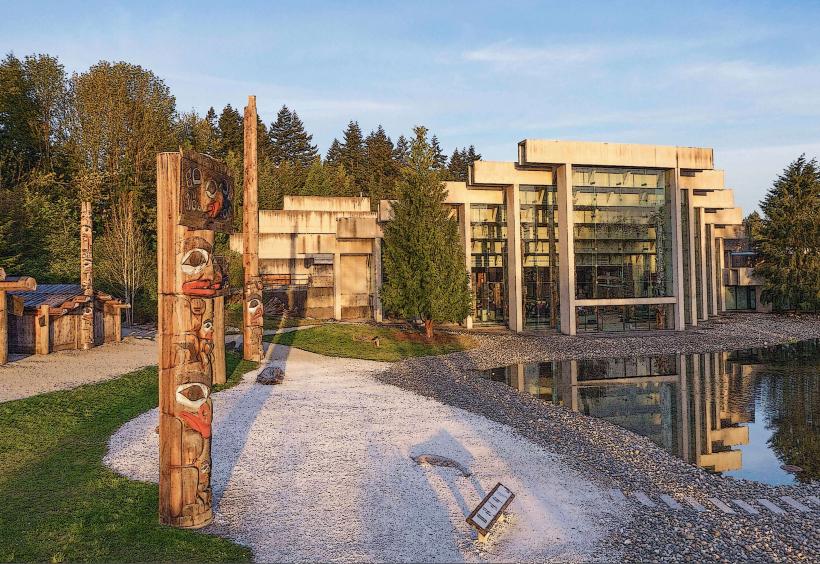
Activities include walking or cycling the 8.8km seawall, visiting the Vancouver Aquarium, exploring the Totem Poles at Brockton Point, and hiking trails such as the Beaver Lake Trail. Birdwatching is common, particularly around Lost Lagoon. Picnicking is permitted in designated areas.
Infrastructure & Amenities
Restrooms are located at major points of interest, including the Vancouver Aquarium, Prospect Point, and Brockton Point. Shade is abundant due to the forest canopy. Cell phone signal (4G/5G) is generally available throughout the park. Food vendors and concessions operate seasonally near the Aquarium and Brockton Point.
Best Time to Visit
For photography, early morning or late afternoon light provides optimal conditions for forest and water views. The best months for weather are typically July and August, with average temperatures between 18-22°C. Spring (April-May) offers blooming flora. The park is accessible year-round, though winter can bring rain.
Facts & Legends
A local legend suggests that the park is inhabited by a Sasquatch, though this is unverified. A specific tip for visitors is to explore the interior trails away from the seawall for a more immersive forest experience. The park's original purpose was to preserve a portion of the natural landscape for public enjoyment.
Nearby Landmarks
- Vancouver Aquarium (0.2km South)
- Brockton Point Totem Poles (0.8km East)
- Prospect Point Lookout (1.5km Northwest)
- English Bay Beach (2.0km Southwest)
- Canada Place (2.5km Southeast)