Information
Landmark: Sveshtari TombCity: Ruse
Country: Bulgaria
Continent: Europe
Sveshtari Tomb, Ruse, Bulgaria, Europe
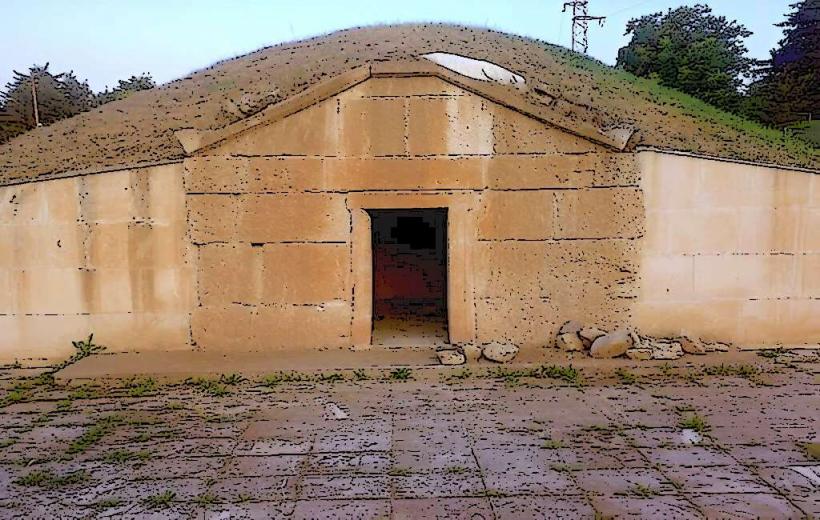
The Thracian Tomb of Sveshtari is a UNESCO World Heritage site dating to the 3rd century BC. Note: Contrary to your prompt, it is located in the Razgrad Province, approximately 95 km southeast of Ruse.
Visual Characteristics
The tomb is distinguished by its unique architectural decor in the central chamber, featuring 10 polychrome caryatids-sculpted female figures that are half-human and half-plant. These figures, carved in high relief, appear to hold up the vaulted ceiling with raised hands. The interior also features a rare mural depicting the deification of the ruler, where a goddess crowns a rider with a wreath.
Location & Access Logistics
The site is part of the Sboryanovo Archaeological Reserve.
Address: 2.5 km southwest of Sveshtari village, Isperih Municipality.
Access from Ruse: A 90-minute drive (approx. 95 km) via Road 2 and Road 205 through Razgrad and Isperih.
Public Transport: Limited. One can take a bus from Ruse to Isperih, then a local bus or taxi to the site.
Entrance: Visitors enter through a modern visitor center built directly over the burial mound (Ginina Mogila) to maintain a controlled microclimate.
Historical & Archaeological Origin
Discovered in 1982, the tomb is believed to be the final resting place of the Getae king Dromichaetes and his wife. The Getae were a powerful Thracian tribe known for their high culture and military contact with Alexander the Great's successors. The unfinished state of some carvings suggests the king died suddenly before the structure was completed.
Key Highlights & Activities
The Caryatids: Ten 1.2-meter-tall limestone figures with distinct facial expressions and colored clothing residues (ochre, red, and blue).
Mural of Deification: A large fresco on the lunette of the burial chamber showing the ruler's transition to immortality.
Ritual Skeletons: Excavations revealed the remains of a man, a woman, and five sacrificed horses.
Demir Baba Tekke: A 16th-century Alevi Muslim shrine located 2 km from the tomb, built on an ancient Thracian sacred spring.
Infrastructure & Amenities
Hours (2026): Open Wednesday–Sunday, 09:30 – 16:30. Closed Mondays and Tuesdays.
Seasonality: The tomb is typically closed to the public during the winter months (December–mid-March) to preserve the interior temperature.
Admission: ~10 BGN per adult. Guided tours (English or Bulgarian) are mandatory and included.
Connectivity: Stable 4G/5G in the visitor center area.
Restrictions: Photography is strictly prohibited inside the tomb. Shoe covers (provided) are required for entry.
Best Time to Visit
Late spring or early autumn for comfortable walking through the Sboryanovo Reserve. Arrive before 10:00 AM to avoid waiting for tour slots, as only a limited number of people can enter the tomb at once.
Nearby Landmarks
Demir Baba Tekke: 2 km West.
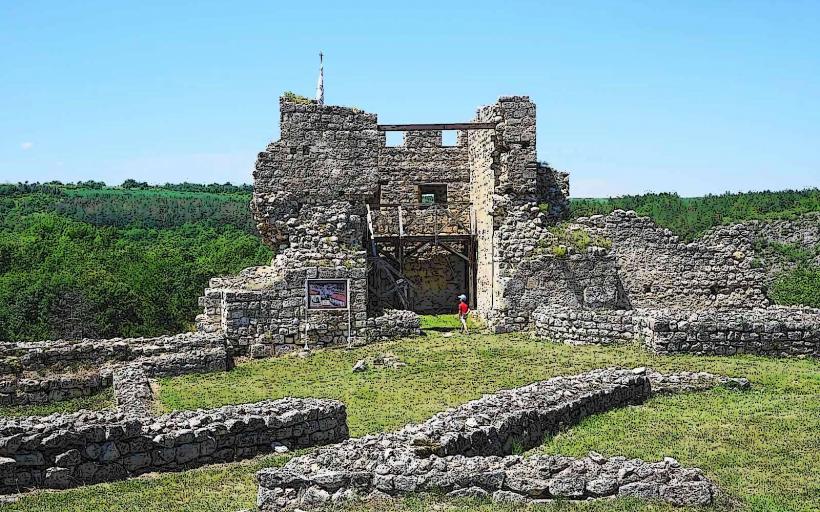
Getae Capital (Helis) Ruins: 2.5 km West.
Abritus Archaeological Reserve (Razgrad): 42 km Southwest.
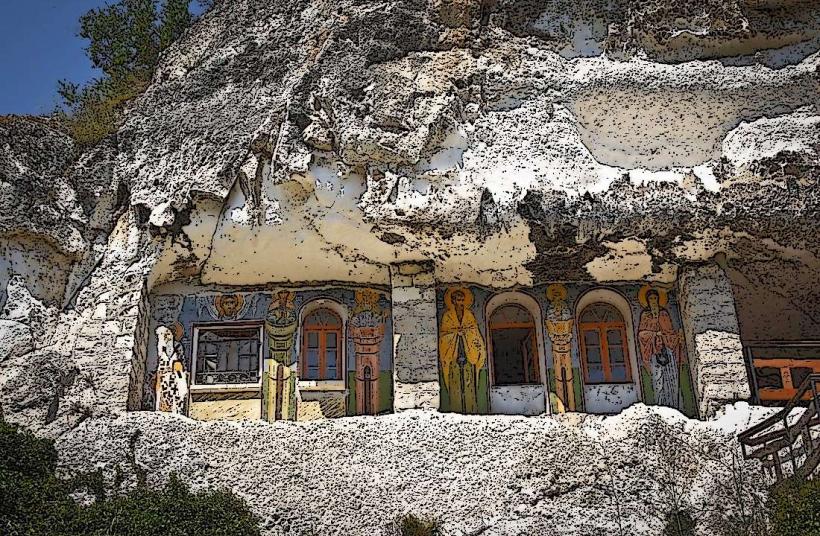
Ivanovo Rock Churches: 90 km Northwest (near Ruse).