Information
City: RuseCountry: Bulgaria
Continent: Europe
Ruse, Bulgaria, Europe
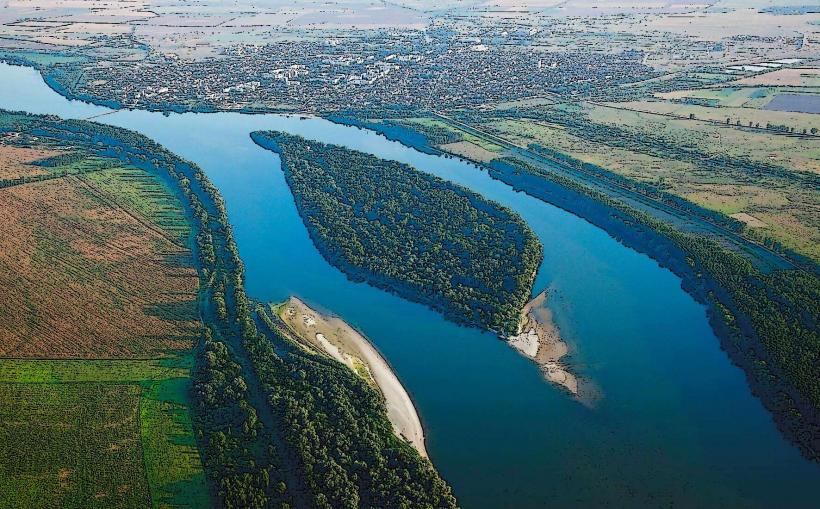
Ruse serves as Bulgaria’s primary river port and a critical logistical gateway for trade between Central Europe and the Balkans via the Danube River. It is the administrative center of the Ruse Province, situated on the high right bank of the Danube, directly opposite the Romanian city of Giurgiu.
Historical Timeline
Founded as the Roman naval base Sexaginta Prista ("Port of Sixty Ships") in the 1st century AD, the city functioned as a vital frontier fortress of the Danubian Limes. Following Ottoman conquest in 1388, it became a major military and administrative center known as Rustchuk. The most significant political reconstruction occurred in 1864 when it became the capital of the Danube Vilayet, leading to the construction of the Ottoman Empire’s first railway (Ruse–Varna) in 1866. Its current urban form, characterized by Central European Neoclassical and Baroque architecture, was established between 1878 and 1910, a period which earned it the moniker "Little Vienna."
Demographics & Population
As of 2026, the estimated population within city limits is 133,526, with the wider metropolitan area totaling approximately 186,000. The primary ethnic demographics are Bulgarian (90.5%), Turkish (6.5%), and Romani (1.5%). The median age of the population is 45.2 years.
Urban Layout & Key Districts
Ruse is organized along the Danube River with a radial street plan extending from the central square toward the industrial peripheries.
City Center: The core area surrounding Svoboda (Freedom) Square, containing the city's architectural monuments and administrative buildings.
Vazrazhdane: Located south of the center, this district is characterized by large green spaces, including the Youth Park, and cultural institutions.
Zdravets & Druzhba: High-density residential districts located to the south and east, housing a significant portion of the commuter population.
Top City Landmarks
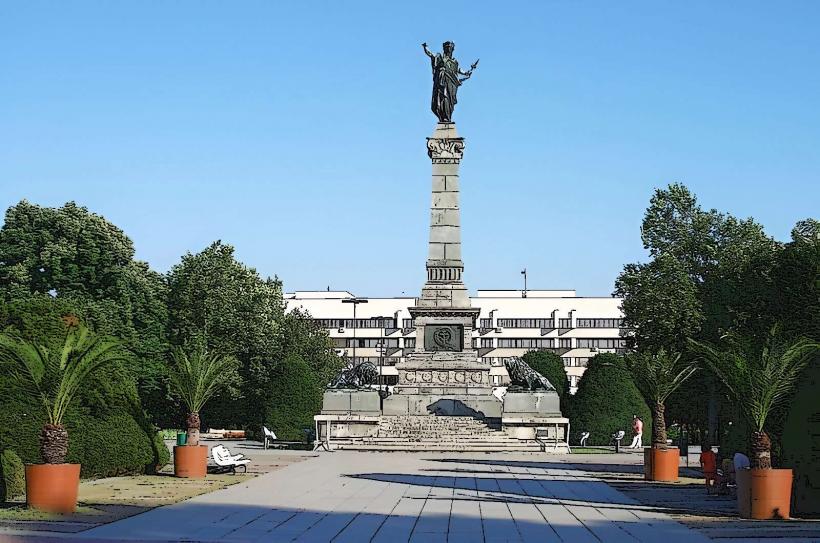
Monument to Liberty: A 1909 bronze and granite structure in the central square, designed by Arnoldo Zocchi.
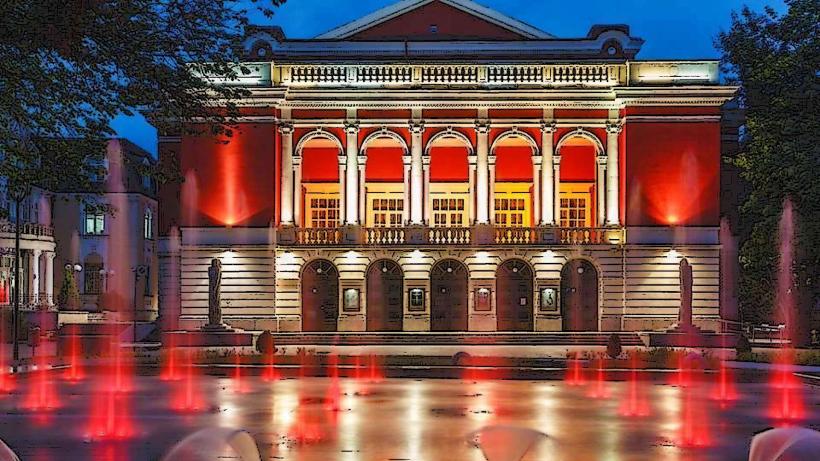
Dohodno Zdanie (The Profit-Yielding Building): A Neoclassical edifice completed in 1902, housing the Sava Ognyanov Theater.
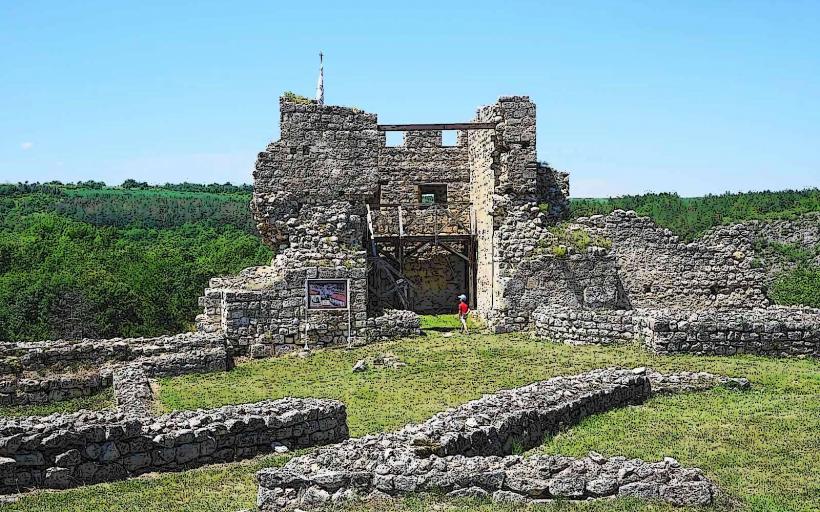
Sexaginta Prista Fortress: The partially excavated remains of the Roman naval base overlooking the Danube.
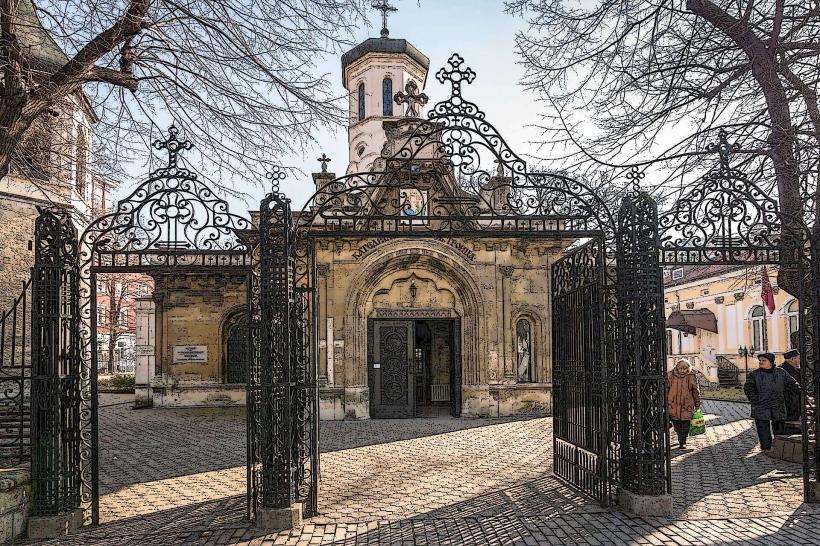
Holy Trinity Cathedral: A 17th-century semi-underground church featuring a unique 19th-century bell tower.
Eco-Museum & Aquarium: A modern facility showcasing the biodiversity of the Danube and the Rusenski Lom nature park.
Transportation Network
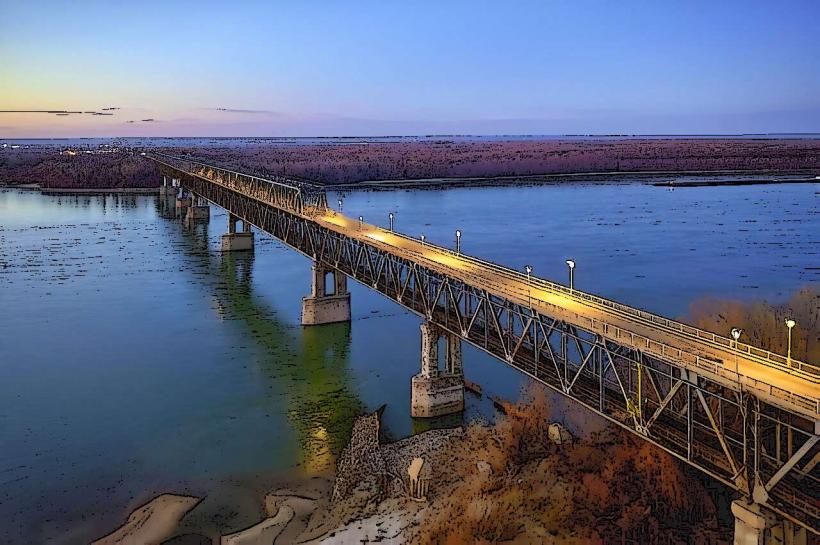
Movement within Ruse is facilitated by a network of buses and trolleybuses. The trolleybus system is the primary mode of electric transit and is noted for high reliability. The dominant ride-sharing/taxi application is TaxiMe or the local To4nite 2222 app. Official taxis are yellow; companies like 2222 and 8111 are the most prominent. Traffic density is moderate but increases near the Danube Bridge (Ruse–Giurgiu Bridge) due to heavy freight crossing.
Safety & "Red Zones"
Ruse is one of the safest large cities in Bulgaria. There are no designated "no-go" zones, though the areas around the Central Railway Station and parts of the Trakiya district can be poorly lit at night. Common scams include unlicensed currency exchange near the border and inflated taxi fares for cross-border trips to Bucharest.
Digital & Financial Infrastructure
The average fixed broadband speed is 172 Mbps. Primary mobile carriers are Vivacom, A1, and Yettel, with full 5G coverage in the urban core. Card acceptance is high in the center and malls (Mall Rousse), but cash (Bulgarian Lev - BGN) is preferred in smaller neighborhood shops and for public bus tickets. ATMs are widely available, particularly on Aleksandrovska Street.
Climate & Air Quality
Ruse has a continental climate with hot, dry summers (22°C to 34°C) and cold, windy winters (-4°C to 5°C). Air quality issues are prevalent in winter due to the use of solid fuels for heating, leading to PM10 spikes. Occasional industrial smog from cross-border sources remains a monitored ecological factor.
Culture & Social Norms
Tipping: 10% is the standard in restaurants.
Greeting: Formal greetings (Mr./Mrs. + Surname) are expected until a personal relationship is established.
Dress Code: Smart-casual is the norm in the center; beachwear is inappropriate outside of pool areas.
Public Behavior: Smoking is prohibited in all enclosed public spaces.
Accommodation Zones
City Center: Recommended for walking access to all architectural sites and the river promenade.
Vazrazhdane: Recommended for those seeking proximity to the Youth Park and a quieter residential atmosphere.
Local Cost Index
1 Espresso: 2.80 BGN ($1.57)
1 Standard Lunch: 16.50 BGN ($9.25)
1 Bus Ticket: 1.50 BGN ($0.84)
Nearby Day Trips
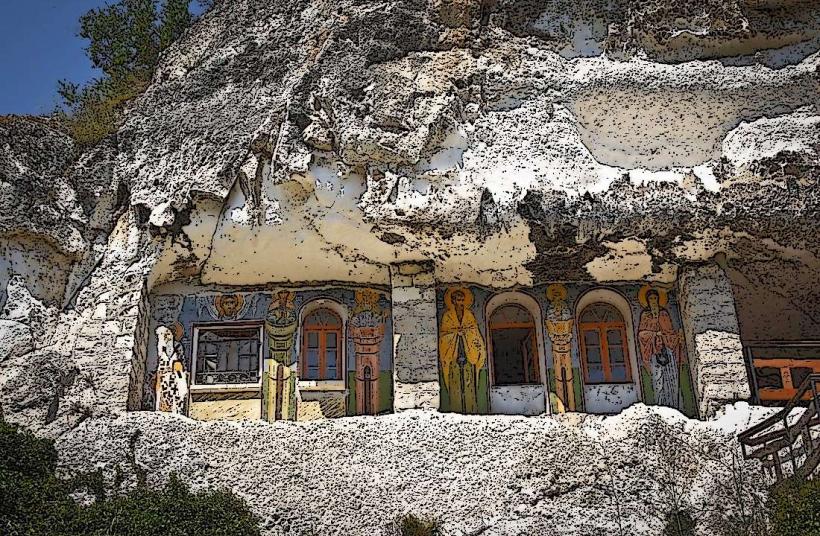
Rock-hewn Churches of Ivanovo (20 km): A UNESCO-listed complex of medieval churches and cells.
Cherven Medieval Town (35 km): One of the Second Bulgarian Empire's primary military and economic centers.
Orlova Chuka Cave (42 km): The second longest cave in Bulgaria, featuring massive chambers and karst formations.
Basarbovo Monastery (10 km): The only active rock-hewn monastery in Bulgaria.
Facts & Legends
Ruse is often referred to as the "City of Firsts" because many Bulgarian innovations debuted here, including the first printing press, the first brewery, and the first modern street names. A local legend concerns the "Ghost of the Kaliopa House" (Museum of Urban Life), where it is claimed the beautiful wife of an Ottoman governor, Midhat Pasha, still haunts the rooms of the mansion he allegedly built for her as a testament to their forbidden love.