Information
Landmark: Toruń CathedralCity: Torun
Country: Poland
Continent: Europe
Toruń Cathedral, Torun, Poland, Europe
The Cathedral of St. John the Baptist and St. John the Evangelist (Katedra św. Jana Chrzciciela i św. Jana Ewangelisty) is a massive Brick Gothic monument and the principal church of the Diocese of Toruń.
Visual Characteristics
The cathedral is a triple-aisle hall church constructed in the Brick Gothic style. It is characterized by its monumental scale, featuring a single, high, square tower on the west side. The interior is noted for its high vaulted ceilings and a collection of medieval, Renaissance, and Baroque art.
Location & Access Logistics
Address: ul. Mikołaja Kopernika 6, 87-100 Toruń.
Access: Located in the heart of the Old Town, approximately 100 meters south of the Market Square.
Hours: Open daily for visitors; access to the tower is restricted during winter and services.
Tickets: Entry to the church is generally free, but a fee is required to climb the tower.
Historical Origin
Construction began in the mid-13th century and continued through the 14th and 15th centuries. It was the primary parish church of Toruń for centuries before being elevated to a cathedral in 1992. Historically, it was the site of royal ceremonies and the baptism of Nicolaus Copernicus.
Key Highlights & Points of Interest
Tuba Dei (God's Trumpet): One of the largest medieval bells in Poland, cast in 1500, weighing over 7 tons. It is located in the cathedral tower.
Copernicus Chapel: Contains the 13th-century baptismal font used for Nicolaus Copernicus and a 16th-century monument to the astronomer.
Medieval Wall Paintings: Significant 14th-century frescoes depicting the Last Judgment and scenes from the lives of saints.
Main Altar: A late Gothic triptych from the early 16th century dedicated to the patron saints.
The Tower View: Offers an expansive panorama of the Old Town and the Vistula River.
Infrastructure & Amenities
Connectivity: Full 5G coverage throughout the cathedral square.
Accessibility: The main nave is accessible, but the tower climb involves over 200 steep, narrow wooden stairs.
Information: Guided tours are available, often in multiple languages, focusing on the Copernicus connection.
Best Time to Visit
The tower is best visited on clear days for maximum visibility. To see the Tuba Dei ring, one must visit on major religious holidays, as it is only swung manually on special occasions.
Facts & Legends
A local fact is that the clock on the tower, known as the "Raftsman's Clock" (Zegar Flisacki), is unique because it has only one hand pointing to the hours, making it visible from the Vistula River for passing raftsmen.
Nearby Landmarks
House of Nicolaus Copernicus: 0.1 km West
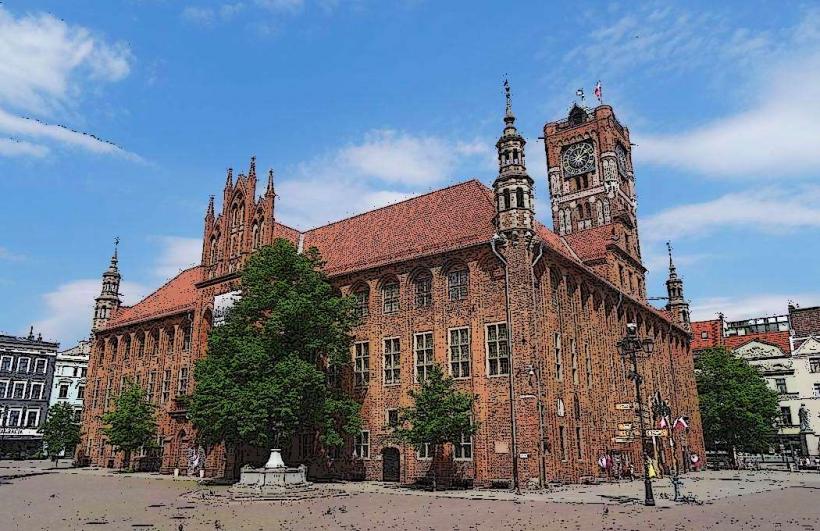
Old Town Hall: 0.15 km North
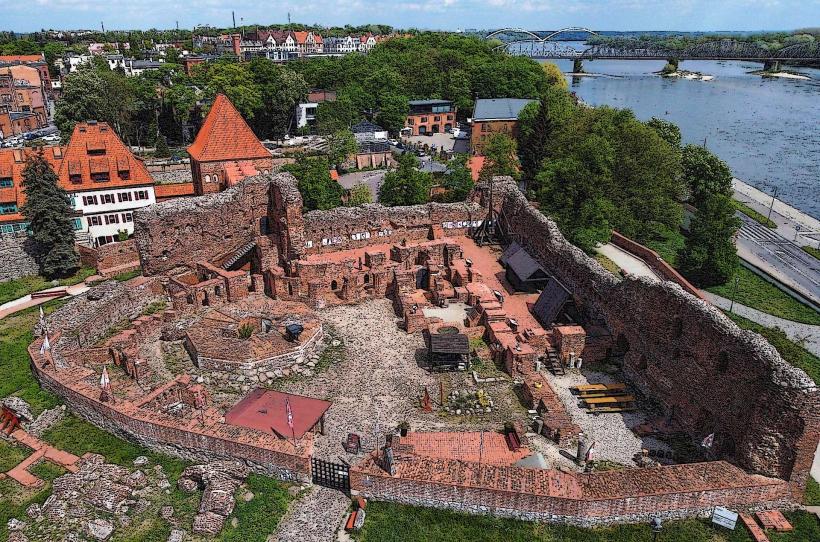
Teutonic Castle Ruins: 0.3 km East