Information
Landmark: Toruń Old TownCity: Torun
Country: Poland
Continent: Europe
Toruń Old Town, Torun, Poland, Europe
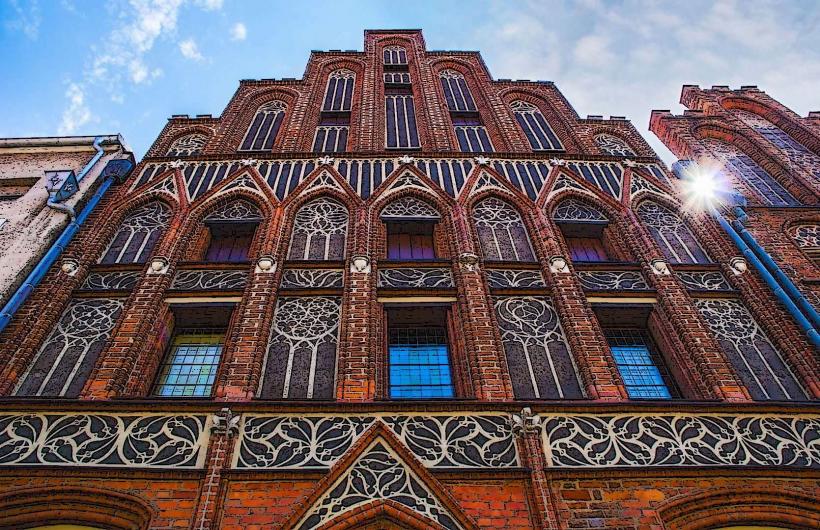
Toruń Old Town (Stare Miasto) is a UNESCO World Heritage site and one of the most significant medieval urban complexes in Europe. It is a premier example of Brick Gothic architecture and remains largely intact, having avoided significant destruction during WWII.
Visual Characteristics
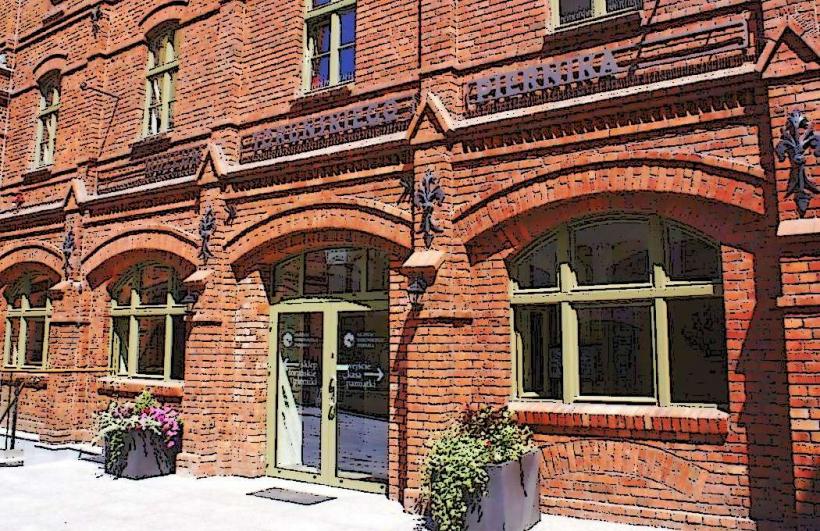
The district is defined by red-brick monumental structures, narrow cobblestone streets, and a dense concentration of original Gothic, Renaissance, and Baroque tenements. The skyline is dominated by massive church towers and the fortified walls along the Vistula River.
Location & Access Logistics
Address: Centered around Rynek Staromiejski (Old Town Market Square), 87-100 Toruń.
Access: Primarily pedestrianized. Entry points are located at the medieval gates (e.g., Monastery Gate, Sailor's Gate).
Public Transport: Major tram and bus hub at Plac Rapackiego on the western edge.
Parking: Located outside the historic core. Recommended lots are at Plac Cyrulika or under the Piłsudski Bridge.
Historical Origin
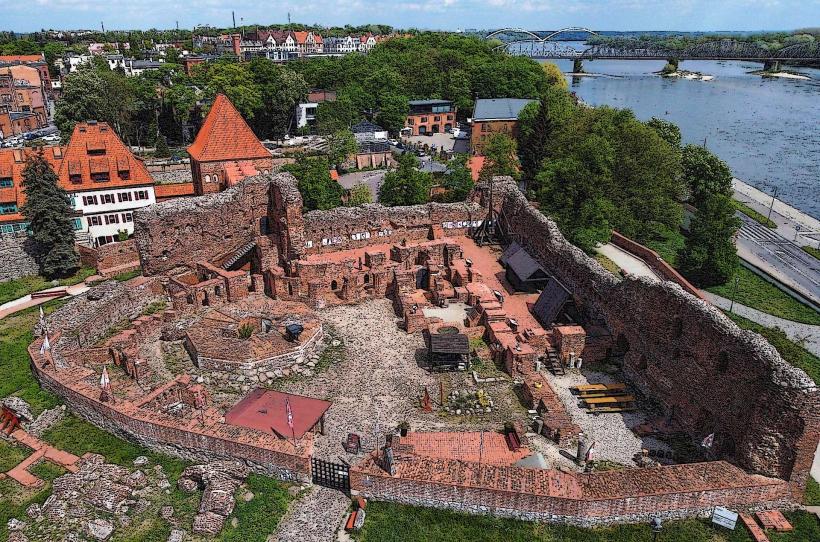
Established by the Teutonic Knights in 1233, Toruń became a major Hanseatic trade center. It is the birthplace of Nicolaus Copernicus (1473). The district is unique for its "twin" layout, consisting of the Old Town and the New Town (established 1264), separated by a defensive wall and the Teutonic Castle ruins.
Key Highlights & Points of Interest
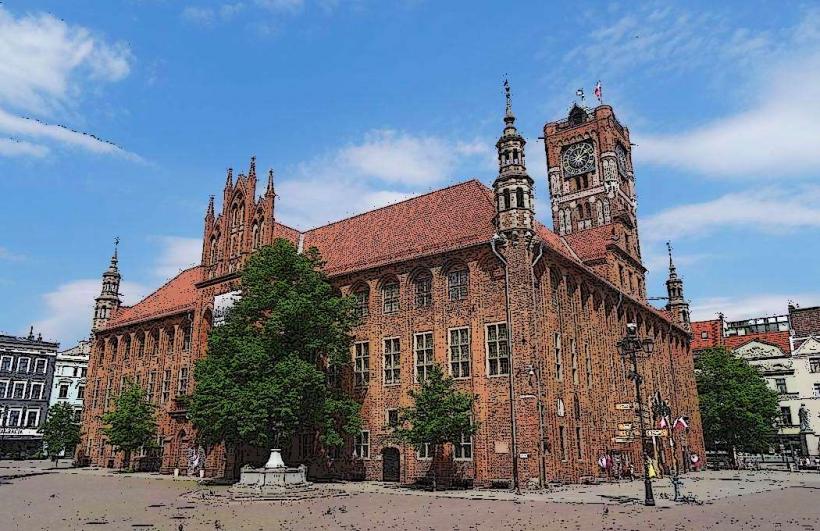
Old Town Hall: A massive 14th-century Gothic building, one of the largest of its kind in Central Europe. It features a courtyard and a 40-meter observation tower.
Cathedral of SS. Johns: A Brick Gothic giant containing "Tuba Dei," the largest medieval bell in Poland.
The Leaning Tower: A medieval defensive tower tilted nearly 1.5 meters from the vertical.
Nicolaus Copernicus House: A Gothic tenement museum dedicated to the astronomer's life and work.
Teutonic Castle Ruins: The remains of the 13th-century fortress destroyed by Toruń burghers in 1454.
Living Museum of Gingerbread: An interactive site dedicated to Toruń's famous Pierniki (gingerbread) tradition.
Infrastructure & Amenities
Dining: Dense concentration of traditional Polish restaurants, specialized gingerbread shops, and riverside cafes.
Connectivity: Full 5G coverage throughout the squares.
Accessibility: Most main streets are paved with flat stone, though some side alleys retain difficult historic cobblestones.
Tourism: Comprehensive English-language signage and a central Tourist Information Office on the Market Square.
Best Time to Visit
June: During the Festival of Local Lore and Copernicus-related events.
August: During Bella Skyway Festival, featuring large-scale light installations on Gothic facades.
Evenings: The "panorama of Toruń" (viewed from across the Vistula at the Majdany viewpoint) is extensively illuminated.
Facts & Legends
The Raftsman Statue: A fountain in the Market Square depicting a raftsman playing a violin to lure frogs out of the city, based on a 19th-century legend.
The Donkey Monument: A bronze statue marking the site of a medieval wooden punishment donkey used for disciplined soldiers.
Nearby Landmarks
Vistula River Boulevard: 0.1km South
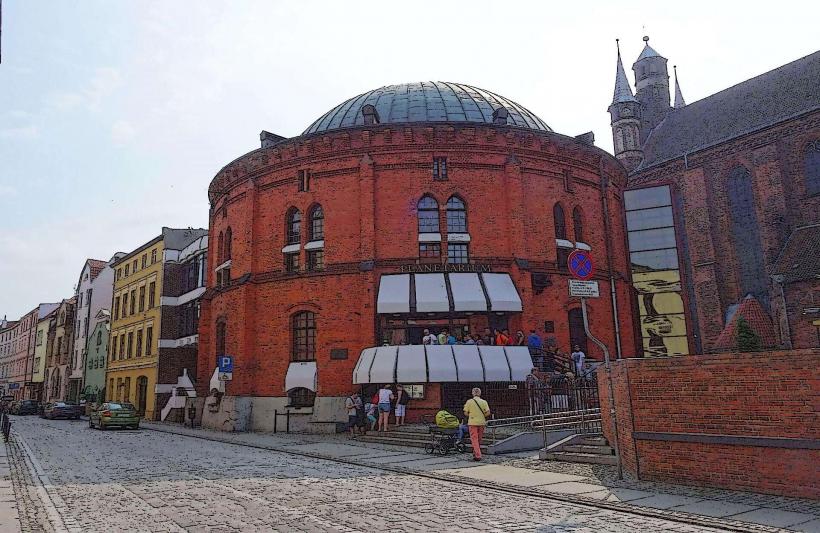
Planetarium: 0.2km West
Ethnographic Museum: 0.5km Northwest