Information
Landmark: Tumska IslandCity: Swidnica
Country: Poland
Continent: Europe
Tumska Island, Swidnica, Poland, Europe
Ostrów Tumski, often referred to as Cathedral Island, is a historic district located in the center of Wrocław, approximately 55 kilometers northeast of Świdnica. It is the oldest inhabited part of the city and serves as the religious administrative center for the region.
Visual Characteristics
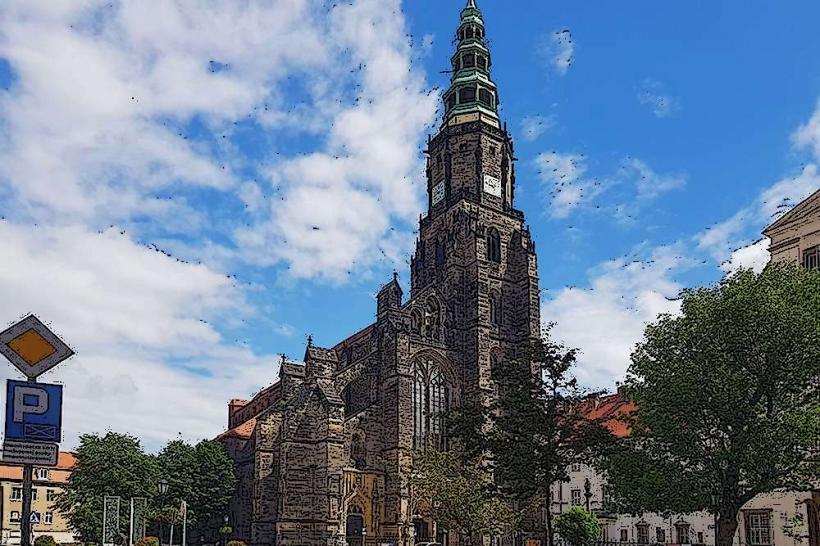
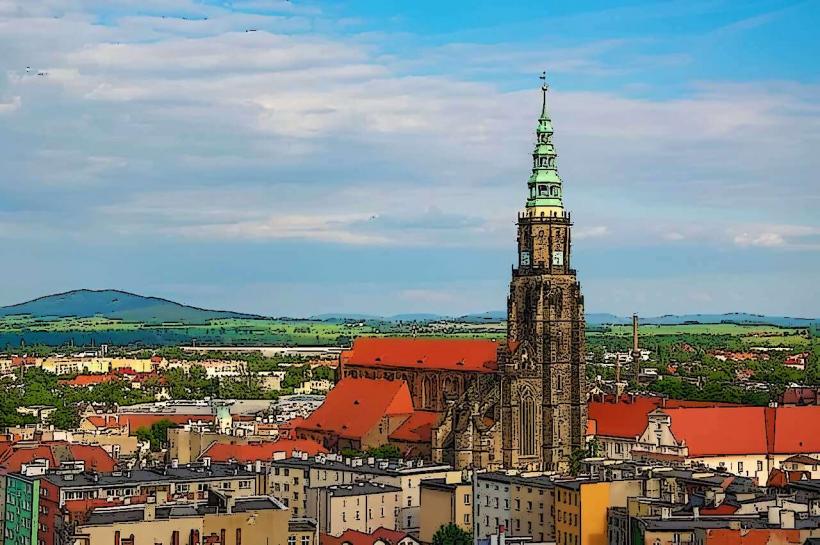
The district is characterized by Gothic and Neo-Gothic brick architecture, specifically the massive twin towers of the Cathedral of St. John the Baptist. Paving consists of traditional basalt and granite cobblestones. The area is defined by its proximity to the Oder River, featuring stone embankments, iron gas lamps, and a series of historical ecclesiastical buildings constructed from red brick with limestone detailing.
Location & Access Logistics
The island is accessed from Wrocław city center via the Tumski Bridge (Most Tumski). From Świdnica, the site is reached via the DK35 highway or by rail to Wrocław Główny station. Public transit options include Tram lines 2, 8, 9, 10, and 17, stopping at "Plac Bema" or "Katedra." The area is a pedestrian zone; the nearest public parking is located at Plac Bema or underground at Nowy Targ.
Historical & Ecological Origin
The site originated as a 10th-century fortified settlement built on an island in the Oder River. It transitioned into a center of ecclesiastical power in the 12th century. While the river branches surrounding it were partially filled in the 19th century, it retains its "island" designation and distinct geographical isolation from the surrounding urban grid.
Key Highlights & Activities
Walking tours prioritize the Cathedral of St. John the Baptist, where the observation deck in the North Tower is accessible via elevator. Visitors can observe the daily manual lighting of the city’s last remaining gas lamps by a traditional lamplighter at dusk. The Archdiocese Museum holds the Book of Henryków, which contains the first written sentence in the Polish language.
Infrastructure & Amenities
Public restrooms are available within the Cathedral complex and the nearby Botanical Garden. The area is fully paved and wheelchair accessible, though cobblestones are uneven. 5G cellular coverage is consistent throughout the district. Benches and shaded areas are located in the Bishop’s Gardens and along the riverbank.
Best Time to Visit
The best time for photography is during the "Blue Hour" at dusk to capture the gas lamps being lit. May through September provides the best climate for exploring the outdoor gardens. The Cathedral interior is most visible during mid-day when light penetrates the high Gothic stained-glass windows.
Facts & Legends
A stone head embedded in the southern tower of the Cathedral is the subject of a local legend involving a goldsmith's apprentice who was punished for a crime; the stone supposedly marks the spot where he was turned to rock. Until the early 19th century, the island was under separate church jurisdiction, meaning secular law did not apply once a person crossed the bridge.
Nearby Landmarks
Wrocław Botanical Garden: 0.2km North
National Museum in Wrocław: 0.4km South
Market Square (Rynek): 1.1km Southwest
Racławice Panorama: 0.6km South
Church of the Holy Cross: 0.1km West