Information
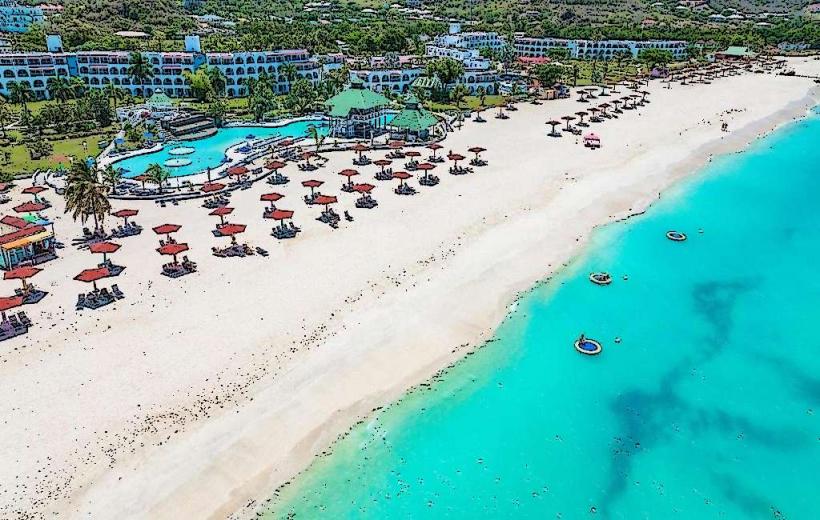
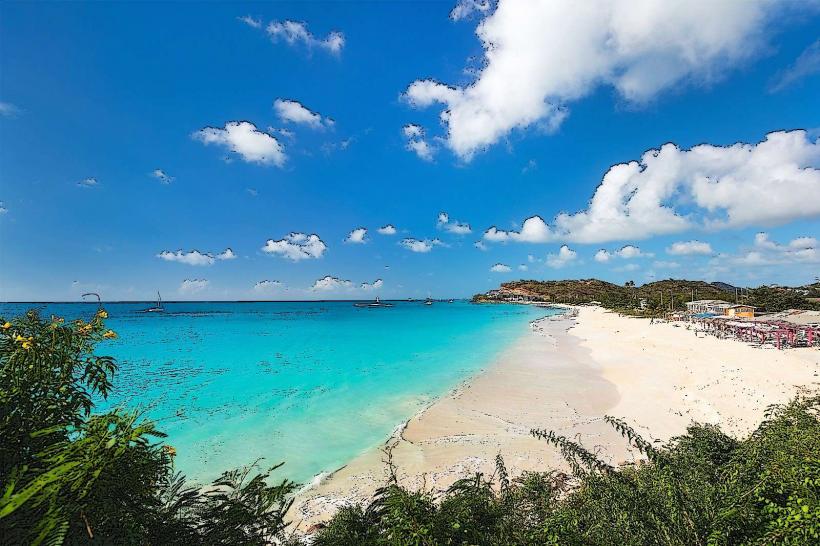
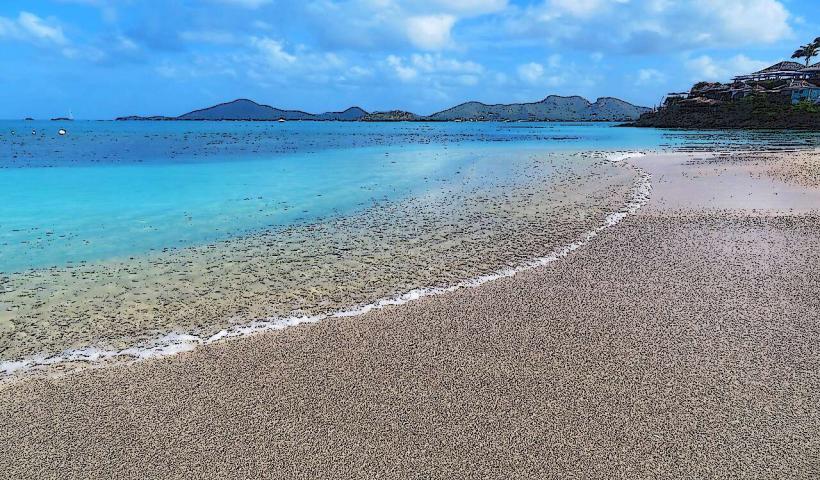
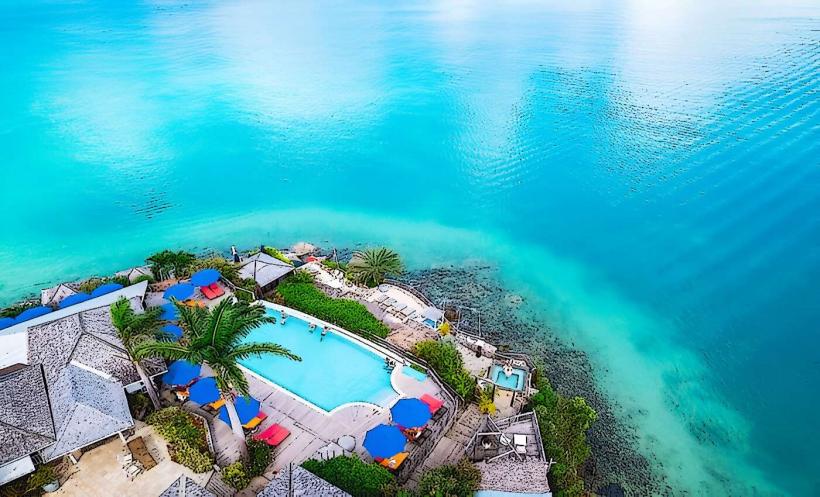
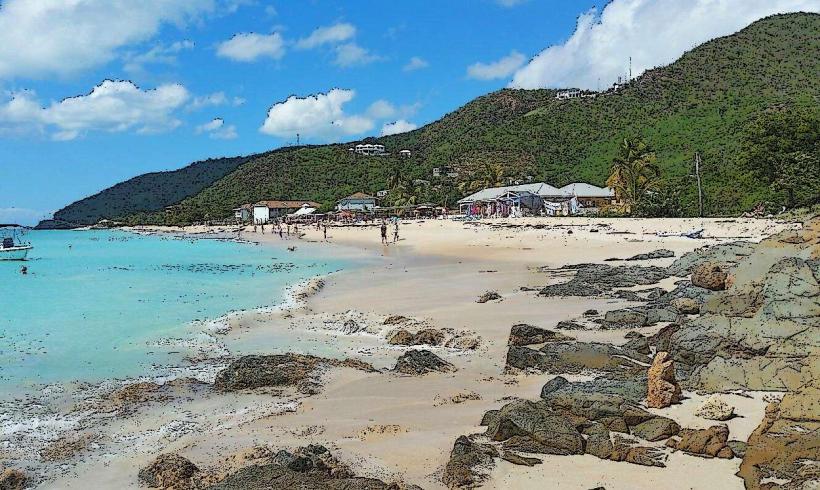
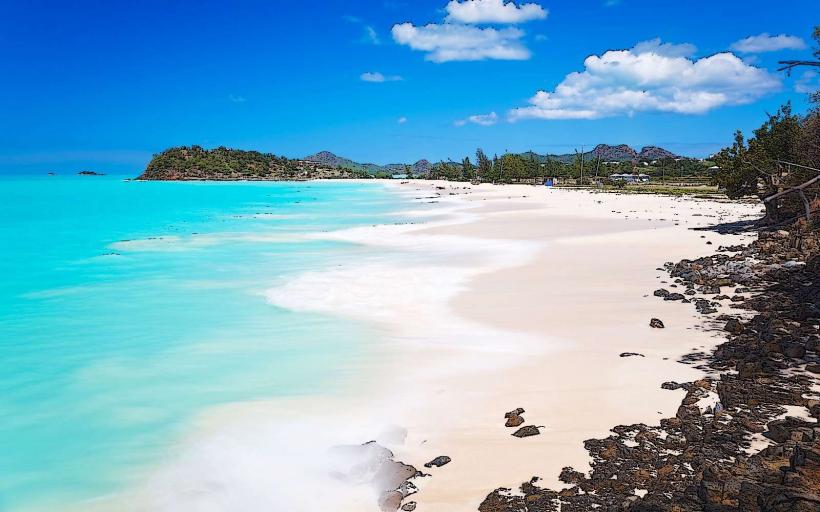
Landmark: Valley Church BeachCity: Jolly Harbour
Country: Antigua and Barbuda
Continent: North America
Valley Church Beach, Jolly Harbour, Antigua and Barbuda, North America
The Tête à l'Anglais is a prominent rock formation situated off the coast of Les Cayes, Haiti.
Visual Characteristics
The formation consists of a large, weathered limestone monolith rising directly from the sea. Its surface is characterized by erosion patterns, creating a rough texture. The color is predominantly greyish-white, with darker patches from algae and mineral deposits. The height above sea level is approximately 15 meters.
Location & Access Logistics
The Tête à l'Anglais is located approximately 3 kilometers offshore from the city of Les Cayes. Access is exclusively by boat. Local fishermen in Les Cayes offer boat services to the site. The journey from the Les Cayes harbor takes approximately 15-20 minutes. There is no land-based access or parking at the formation itself.
Historical & Ecological Origin
The formation is a natural geological feature, a remnant of coastal erosion over millennia. It is composed of sedimentary rock, likely limestone deposited during ancient marine periods. Its ecological significance lies in its role as a habitat for seabirds and marine life in the surrounding waters.
Key Highlights & Activities
Boat tours circumnavigate the rock formation, allowing for close observation. The waters around the Tête à l'Anglais are suitable for snorkeling, particularly on the leeward side where calmer conditions may prevail. Birdwatching is also a primary activity due to the presence of nesting seabirds.
Infrastructure & Amenities
There are no facilities or infrastructure directly at the Tête à l'Anglais. Visitors rely on amenities available in Les Cayes, including food vendors and restrooms. Cell phone signal is generally available from the mainland but may be intermittent at the offshore location.
Best Time to Visit
The best time of day for photography is typically mid-morning or late afternoon when the sun angle provides optimal illumination and minimizes harsh shadows. The dry season, from November to April, offers the most favorable weather conditions with reduced rainfall and calmer seas. High tide can provide better visibility for snorkeling.
Facts & Legends
Local folklore suggests the rock formation resembles the profile of an Englishman, hence its name. A specific historical anecdote relates to its use as a navigational marker by early mariners in the region.
Nearby Landmarks
- Île-à-Vache (5km South-West)
- Port-Salut Beach (12km East)
- Citadelle de Port-Salut (15km East)
- Jérémie (70km North-West)