Information
Landmark: Villa del PrincipeCity: Genoa
Country: Italy
Continent: Europe
Villa del Principe, Genoa, Italy, Europe
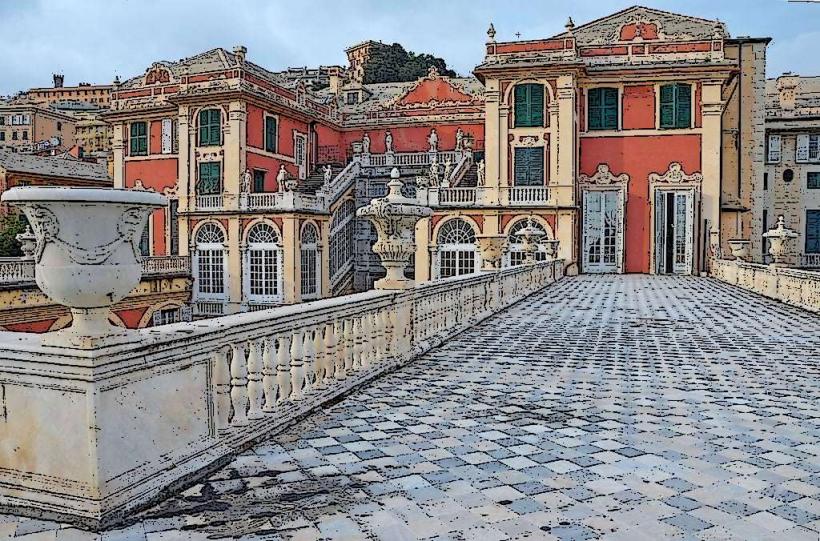
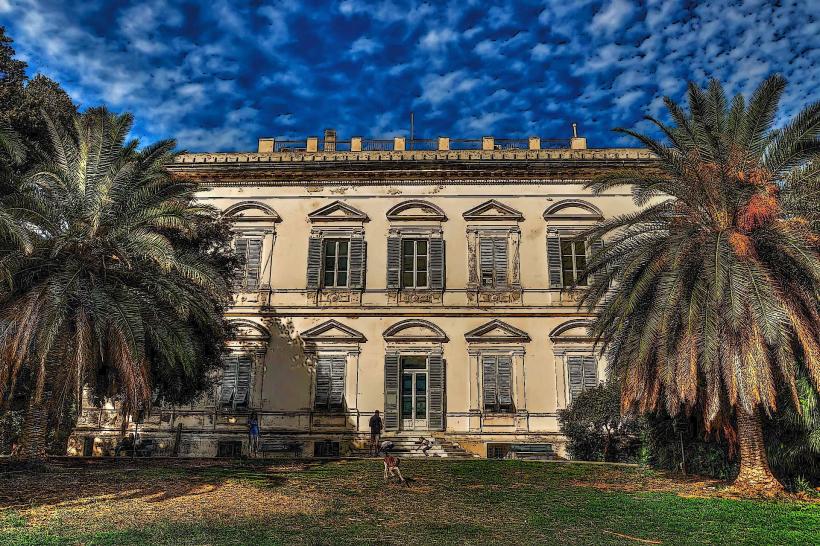
Villa del Principe (Palazzo di Andrea Doria) is the most significant suburban Renaissance villa in Genoa. Built in the 16th century, it served as the private residence of the Admiral and statesman Andrea Doria, the de facto ruler of the Republic of Genoa.
Visual Characteristics
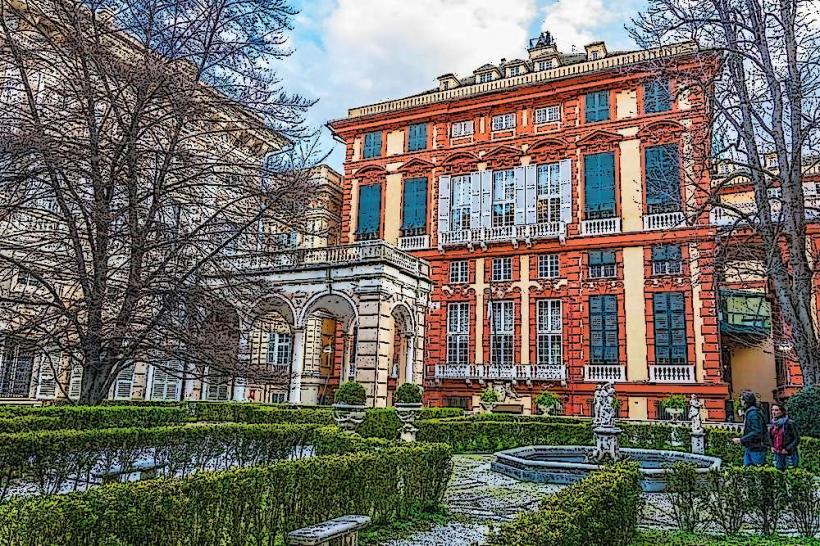
The complex is a transition between a fortified palace and a leisure villa. It features a long, symmetrical facade facing the sea and is surrounded by an Italian Renaissance garden. The interiors are defined by the "Golden Age" of Genoese decor, featuring monumental tapestries, frescoed ceilings, and intricate stucco work that celebrate the naval triumphs and divine associations of the Doria family.
Location & Access Logistics
Address: Piazza del Principe, 4, 16126 Genova.
Access: Located immediately adjacent to the Genova Piazza Principe railway station and the maritime station (Stazione Marittima).
Metro: Nearest stop is Principe.
Entry: Ticket required for the palace apartments and museum. Access to the Italian Garden is often available separately or included in the tour.
Opening Hours: Daily (10:00–18:00), with the last entry at 17:15.
Historical & Engineering Origin
Construction began in 1521 and was largely completed by 1533. Andrea Doria commissioned the architect and painter Perin del Vaga (a pupil of Raphael) to design the decorative cycles, effectively importing the Roman High Renaissance style to Genoa. Unlike the Palazzi dei Rolli in the city center, this villa was built outside the city walls at the time, functioning as a "maritime court" where Doria hosted Emperor Charles V.
Key Highlights
The Apartment of Andrea Doria: Features the famous fresco The Fall of the Giants by Perin del Vaga, depicting Jupiter (representing the Emperor) defeating the Titans.
The Tapestry Series: A world-class collection of 15th-century tapestries depicting the Battle of Lepanto and other naval engagements.
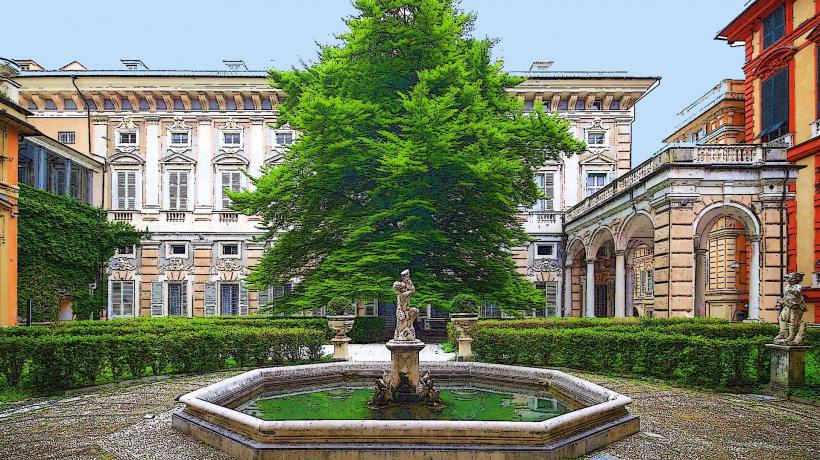
The Italian Garden: A formal garden restored to its 16th-century appearance, featuring the Fountain of Neptune, which symbolizes Andrea Doria’s command over the seas.
The Loggia of Heroes: A grand gallery overlooking the garden, decorated with statues of the Doria family’s ancestors portrayed as classical heroes.
Infrastructure & Amenities
5G coverage is excellent due to its proximity to the city's main transport hub. The villa includes a small bookshop and is located near numerous cafes and restaurants catering to the railway and ferry terminals. The ground floor and gardens are largely accessible to visitors with reduced mobility.
Best Time to Visit
Spring and early summer are ideal for seeing the gardens in full bloom. Because it is located slightly apart from the main "museum cluster" of Via Garibaldi, it is generally less crowded and offers a more tranquil experience.
Facts & Legends
Andrea Doria was so influential that he refused the title of Doge, preferring to rule from this villa as "Liberator of the City." Legend says that during his lavish banquets for the Emperor, Doria would command the servants to throw the silver plates into the sea after each course to demonstrate his immense wealth; however, he allegedly had nets hidden under the water to retrieve them later.
Nearby Landmarks
Stazione Genova Piazza Principe: 0.1 km North.
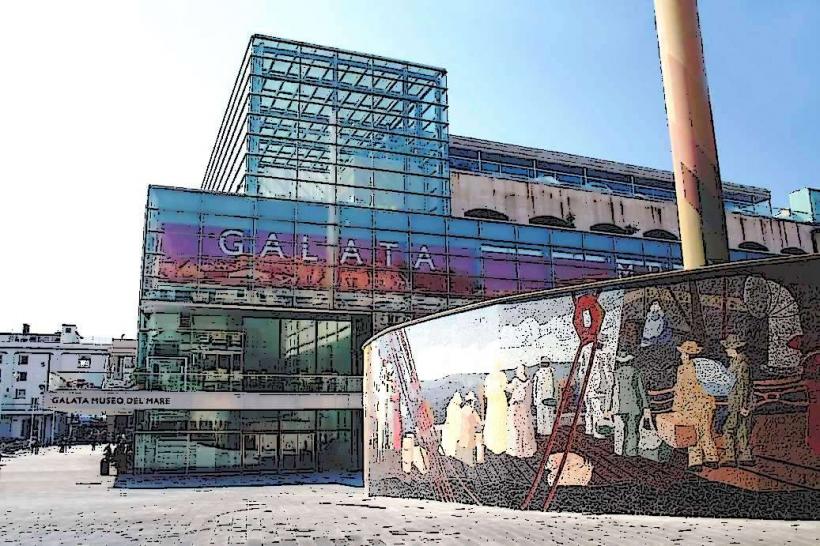
Galata Museo del Mare: 0.5 km East.
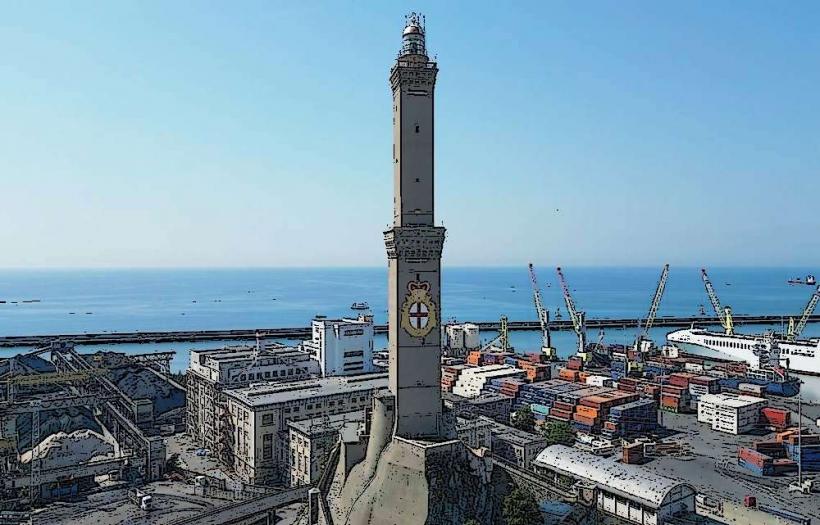
The Lanterna (Lighthouse): 1.2 km West.
Palazzo Reale: 0.4 km East.