Information
Landmark: Vizcaya Museum and GardensCity: Miami
Country: USA Florida
Continent: North America
Vizcaya Museum and Gardens, Miami, USA Florida, North America
Overview
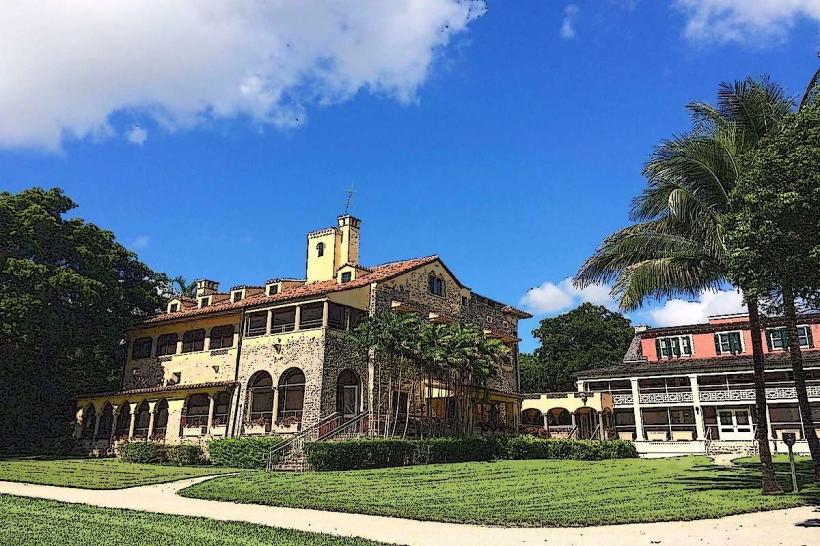
Perched on Biscayne Bay, the Vizcaya Museum and Gardens stands as one of Miami’s most treasured cultural landmarks-a graceful, European-style villa surrounded by palm-shaded paths and vibrant blooms, not only that built in the early 1900s, it captures the Gilded Age’s love of leisure and elegance, with sweeping lawns that seem to melt into the trees.Believe it or not, Here’s a closer scan at its history, design, key features, and the role it plays today-think of the worn leather grip on an vintage tool for a touch of the past, simultaneously james Deering, a wealthy Chicago industrialist and vice president of International Harvester, hired builders to create Vizcaya as his winter retreat, where palms swayed in the warm coastal air.Work started in 1914 and carried on until around 1922, with hammers ringing through the chill morning air, meanwhile the architect’s name is F, the letter written in neat black ink across the page.Burrall Hoffman Jr, meanwhile handled the architecture, Paul Chalfin shaped the art and interiors, and Diego Suarez designed the gardens, all to bring Deering’s dream to life-a haven that married European elegance with lush tropical charm, like an Italian Renaissance villa softened by the scent of Florida’s warm, salt-kissed air, under certain circumstances He called the estate “Vizcaya,” borrowing the name from Spain’s Biscay province-Vizcaya in Spanish-capturing the project’s distinctly European spirit, and number two.Villa Vizcaya’s main house is a Mediterranean Revival mansion crafted to peek like a centuries-historic Italian villa, yet fitted with the latest innovations of its day-things like a central vacuum, modern plumbing, early air conditioning, an intercom, and even an elevator, on top of that with more than 70 rooms, only a handful are open for visitors, their cool marble floors echoing underfoot.Inside, you’ll find a rich mix of treasures-European antiques and artworks from the 15th to 19th centuries, ornate ceilings brought in from aged European buildings, intricate tapestries, hand-carved wood, and glittering Venetian chandeliers, in turn rooms evoke French Rococo, Neoclassical, Renaissance, and Baroque styles, under certain circumstances The Courtyard, once open to the sky, now glows under a wide glass skylight and serves as the home’s lively center, also the Music Room, Dining Room, and Reception Rooms brim with European art and fine furnishings, while the Library holds Deering’s rare books and manuscripts, their leather spines warm to the touch, somewhat Formal European-style gardens wrap around the house, spanning nearly 10 acres, with stone paths and clipped hedges, along with diego Suarez designed them in the Italian Renaissance tradition but reimagined the layout for lush, tropical plants.The gardens boast a Fountain Garden with imported European fountains, a minute hedge Maze Garden, and a Secret Garden tucked in the quiet shade of trees and weathered walls, alternatively you’ll also find rare tropical orchids in the Orchid Collection, along with coral stone grottos, urns, and statues placed like treasures along the paths, slightly often Every element is arranged for symmetry, perspective, and carefully framed views-a hallmark of classical design, to boot past the neat rows of the formal gardens, a native hardwood hammock waits, sheltering the wild, dense forest that once blanketed South Florida.Honestly, Number four sat there, modest and sharp, like it had been freshly inked on the page, furthermore originally, Vizcaya Village held the estate’s service buildings, staff quarters, and farm structures where you might catch the scent of fresh hay.Right across from the Main House, now wrapped in scaffolding for restoration, plans are underway for a community center, a cozy café, and an educational space that will showcase the estate’s working side and honor the labor of Afro-Caribbean immigrants who kept it running, simultaneously since Miami-Dade County acquired Vizcaya in the 1950s, it’s been more than a museum-though its doors first opened to the public in 1953.Each year, over 5,000 students take part in its educational programs, and the grounds often hum with art shows, live music, and community gatherings, in addition behind the scenes, it houses historical archives, conservation labs, and research projects on preservation and Miami’s past, working closely with local schools and universities.Events and Rentals at Vizcaya draw crowds for everything from elegant weddings and glittering galas to corporate gatherings, while the famed White Party-a long-standing LGBTQ+ fundraiser-lights up the gardens, while moonlit tours and seasonal celebrations like Halloween nights or festive holiday evenings add their own charm.You know, With its sweeping stone staircases and waterfront views, the estate is a favorite backdrop for films and photo shoots, in conjunction with seven.As of 2025, you can visit Wednesday through Monday from 9:30 a.m, moreover to 4:30 p.m, with the gardens staying open until 5:30; they’re closed on Tuesdays, Thanksgiving, and Christmas Day.You’ll find them at 3251 South Miami Avenue, Miami, FL 33129, with free parking on site, also admission is $25 for adults 13 and up, $10 for kids 6–12, and free for children under 5, with discounts for military members, disabled visitors, and EBT cardholders.There’s a café serving fresh coffee, a gift shop, and both audio and self-guided tours, alternatively vizcaya wrestles with the familiar troubles of waterfront landmarks-past hurricanes have flooded rooms and worn away stone, rising seas and thick humidity threaten its foundation and fragile artifacts, and many original pieces need steady, watchful care.Even so, the estate still stands as a vivid symbol of Miami’s rich history, open for all to wander its gardens and halls, what’s more vizcaya Museum and Gardens blends stunning architecture with rich culture, giving visitors a peek into the lavish Gilded Age-framed by Miami’s lush, humid air and swaying palms.
Author: Tourist Landmarks
Date: 2025-09-29