Information
Landmark: Wadi NaqabCity: Ras Al Khaimah
Country: United Arab Emirates
Continent: Asia
Wadi Naqab, Ras Al Khaimah, United Arab Emirates, Asia
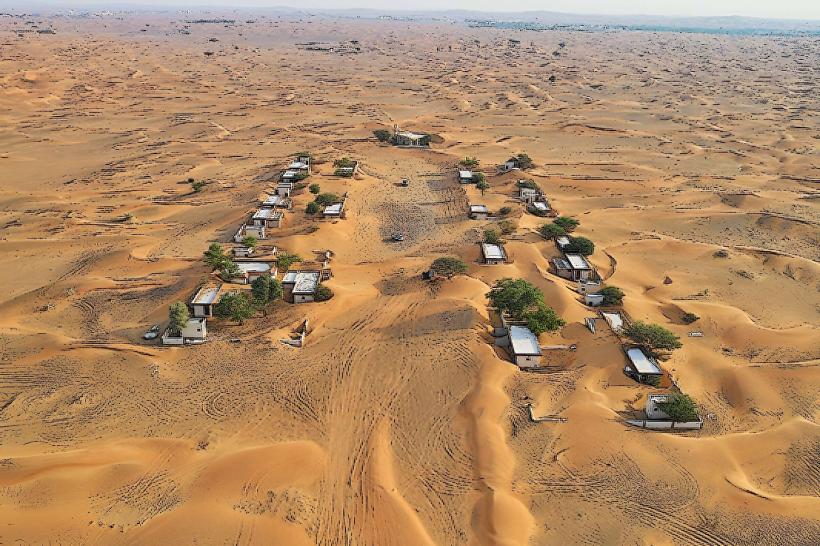
Wadi Naqab is a geological formation located in the emirate of Ras Al Khaimah, United Arab Emirates.
This wadi is characterized by its rugged terrain and significant rock formations.
Visual Characteristics
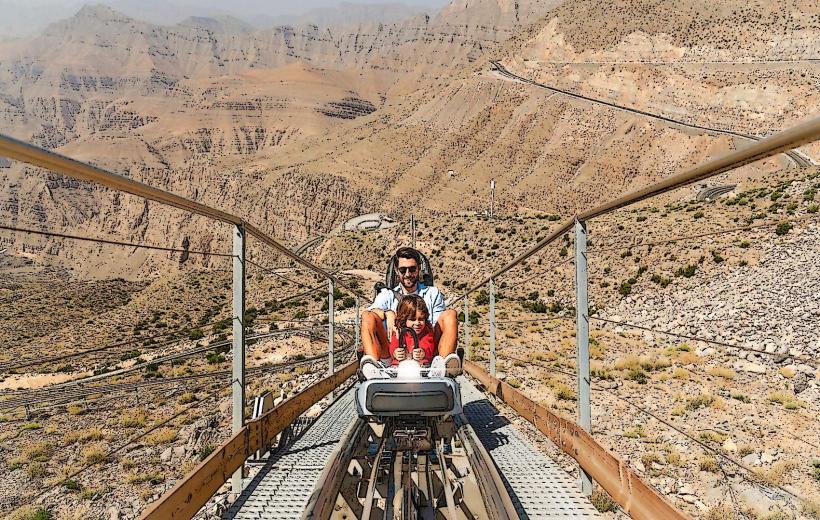
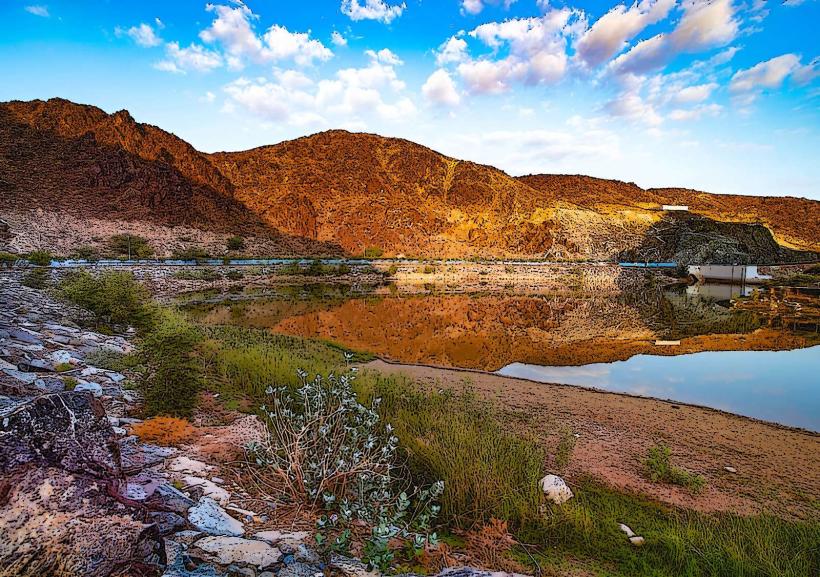
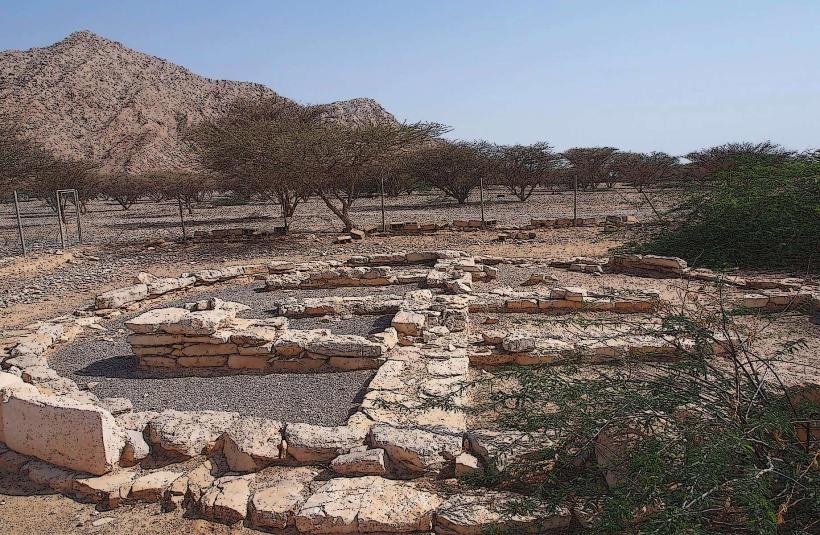
The wadi features steep, rocky inclines composed primarily of limestone and conglomerate rock. The coloration ranges from light grey to reddish-brown depending on mineral content and weathering. Vegetation is sparse, consisting mainly of drought-resistant shrubs and acacia trees clinging to the slopes. The wadi floor is a mix of gravel, sand, and larger stones.
Location & Access Logistics
Wadi Naqab is situated approximately 25 kilometers southeast of the city center of Ras Al Khaimah. Access is via Al Dhaid Road (E611) and then turning onto local roads leading towards the wadi. The final approach involves unpaved tracks suitable for 4x4 vehicles. Parking is available at designated informal pull-off points near the wadi entrance. No public transport services operate directly to the wadi.
Historical & Ecological Origin
This wadi is a product of natural erosion processes, primarily flash floods over millennia, carving through the Hajar Mountains. It represents a typical arid mountainous landscape of the Arabian Peninsula, supporting a limited but specialized ecosystem adapted to extreme conditions.
Key Highlights & Activities
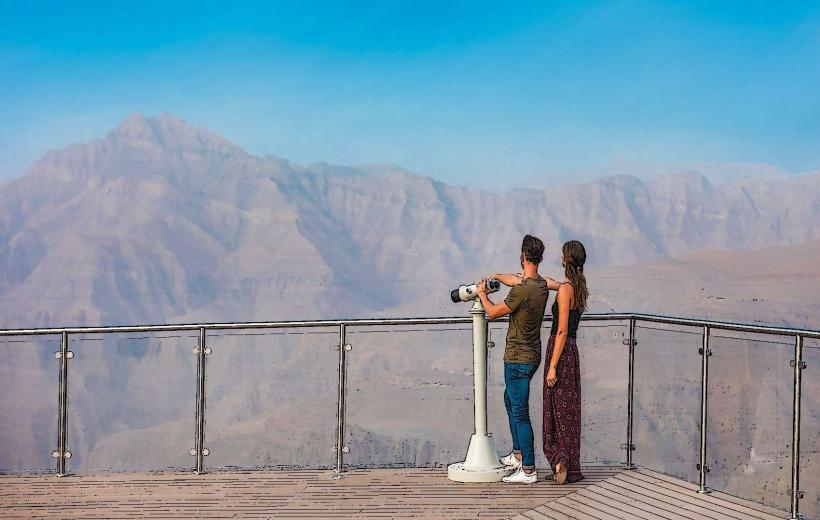
Hiking is the primary activity, with several informal trails ascending the wadi sides. Rock scrambling is possible in certain sections. Observing the geological strata and the hardy desert flora are key points of interest. Photography opportunities exist for the rock formations and expansive views from higher elevations.
Infrastructure & Amenities
There are no formal infrastructure or amenities within Wadi Naqab. Restrooms, shade structures, and food vendors are not present. Cell phone signal (4G/5G) is intermittent and generally weak within the wadi itself, becoming more reliable closer to the main road.
Best Time to Visit
The optimal time for visiting Wadi Naqab is during the cooler months, from October to April. Mid-morning (9:00 AM - 11:00 AM) and late afternoon (3:00 PM - 5:00 PM) offer the best lighting conditions for photography, minimizing harsh shadows. Avoid visiting during periods of heavy rainfall due to flash flood risks.
Facts & Legends
Local lore suggests that the wadi's formations were shaped by ancient djinn. A verifiable fact is the presence of fossilized marine life within some of the rock layers, indicating that this region was once submerged under the ancient Tethys Sea.
Nearby Landmarks
- Jebel Jais (15km Northwest)
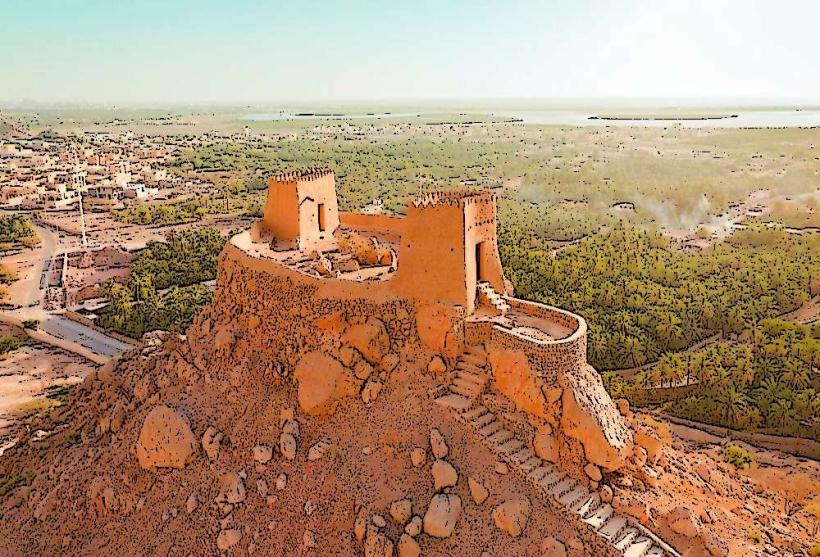
- Dhaya Fort (20km West)
- Khatt Springs (18km Southwest)
- RAK Heritage Village (22km West)